
Ethiopia’s Capital Market Set to Deepen Global Financial Integration: Finance Minister
Addis Ababa, December 2, 2025 (FMC) – Ethiopia’s capital market will play a pivotal role in strengthening the country’s integration into the global financial system and enhancing investor confidence, Finance Minister Ahmed Shide said on Tuesday.
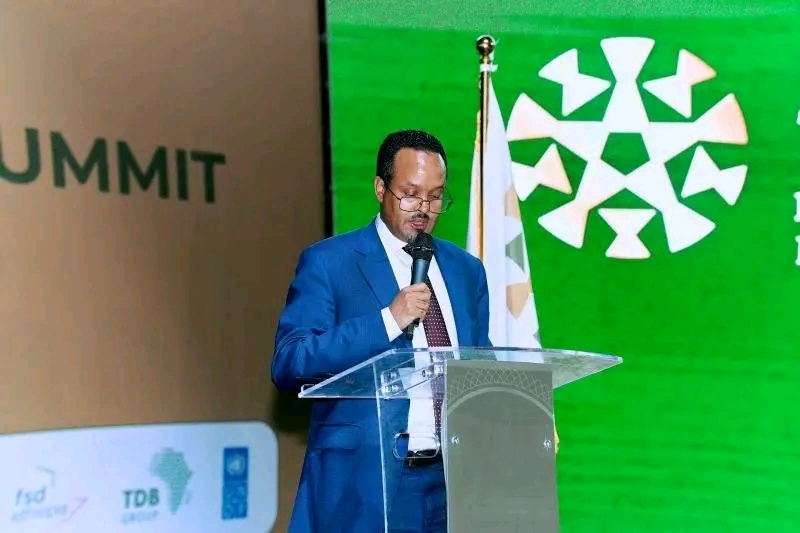
Opening a capital market summit in Addis Ababa, Ahmed stated that a well-regulated and transparent capital market is essential to aligning Ethiopia with international financial standards and expanding its access to global investment.
“It provides foreign investors with clarity, consistency, and confidence through government securities, corporate bonds, equities, infrastructure instruments, international capital gains, and structured access to productive sectors of our economy,” he said.
He underscored the importance of strong coordination among institutions that each play distinct roles in building a credible, resilient, and transparent financial ecosystem.
“When these institutions work in harmony, we create a market environment that attracts investment and supports stability. Above all, fiscal transparency and accountability must remain non-negotiable,” he added.
Ahmed affirmed that the government’s responsibility is to establish a fiscal and financial architecture that directs capital toward its highest value and empowers citizens to engage in the nation’s economic growth.
“By doing so,” he said, “we are not simply financing infrastructure, enterprises, or public services — we are financing Ethiopia’s future: a future that is stable, dynamic, inclusive, and sustainable.”
He noted that strong foundations have already been laid and emphasized the need to sustain momentum through discipline, vision, and collaboration. Infrastructure development, he added, remains a critical priority where capital markets can be transformative.
“Capital markets allow us to turn infrastructure into an investable asset class — through green bonds, municipal bonds, revenue bonds, and infrastructure investment funds — mobilizing both domestic and foreign capital for long-term development,” he said.
National Bank of Ethiopia (NBE) Governor Eyob Tekalign also addressed the summit, highlighting access to capital as a “powerful engine” of economic growth and private sector expansion.
“When businesses, large and small, secure long-term and affordable financing, they innovate, scale, and create the jobs that drive national prosperity,” he noted.
With the launch and operationalization of Ethiopia’s capital market, the country now has a new platform to mobilize capital and allocate it efficiently to productive sectors, Eyob said, calling it a “profound shift” in how investment flows across the economy.
“The rise of the capital markets at this moment in our economic journey is not accidental. It is deeply aligned with our aspiration to build prosperity through market-based growth,” he remarked.
The operationalization of Ethiopia’s capital market represents a strategic transition away from dependence on bank-based financing toward a more diversified financial landscape designed to attract long-term investment, spur private sector development, and support the country’s economic modernization efforts.