
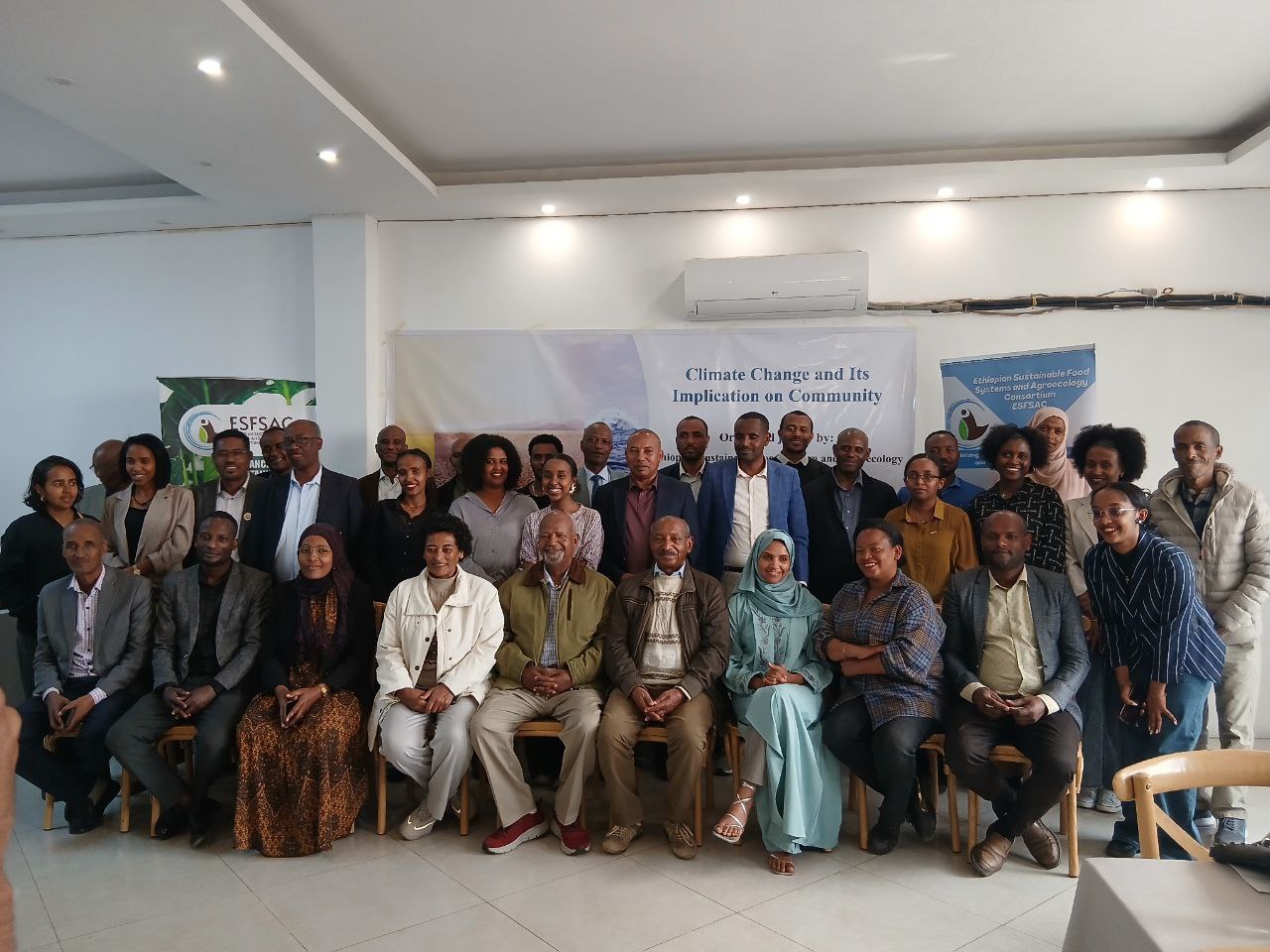
Gov’t policies praised as stakeholders advocate for sustained climate-resilient agriculture & organic fertilizers
Addis Ababa, December 22, 2025 (FMC) – Experts, government officials, and civil society representatives advocated for strengthened climate-resilient agriculture and a gradual transition from chemical to organic fertilizers, highlighting the role of government policies and initiatives in advancing sustainable food systems.
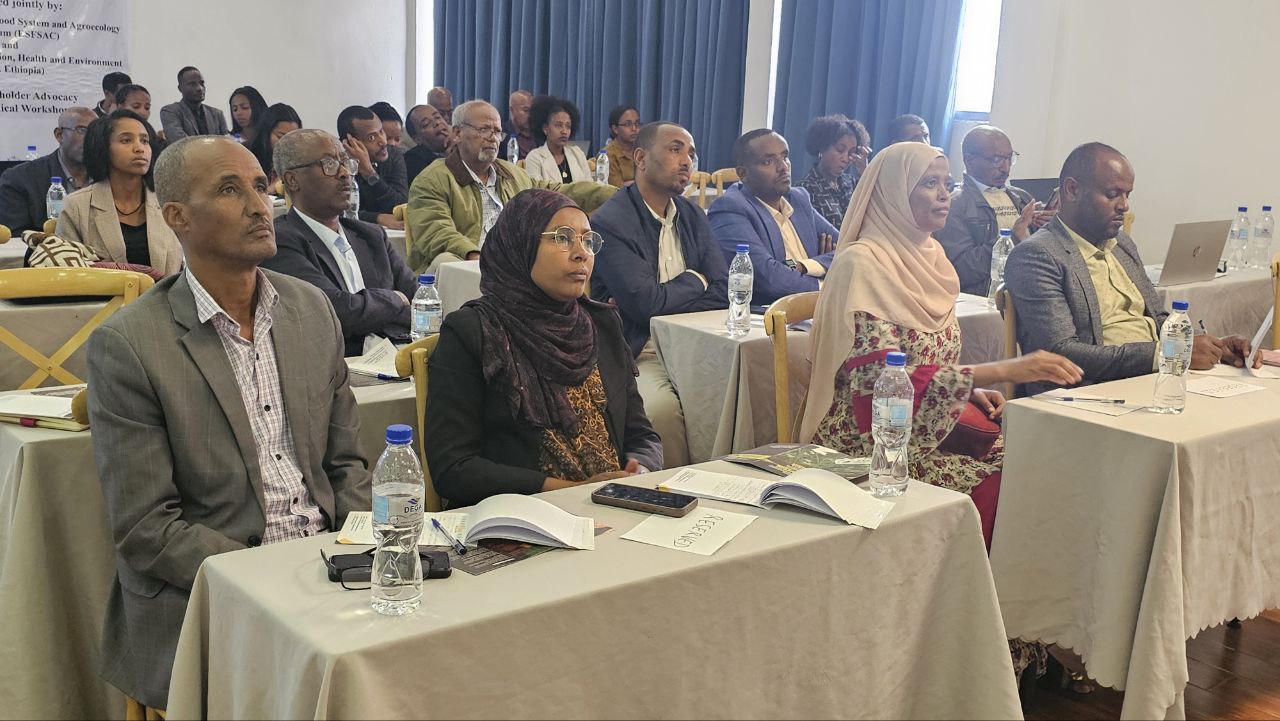
The call came during a Multi-Stakeholder Advocacy and Technical Workshop organized by the Ethiopian Sustainable Food Systems and Agroecology Consortium (ESFSAC) in collaboration with PHE Ethiopia.
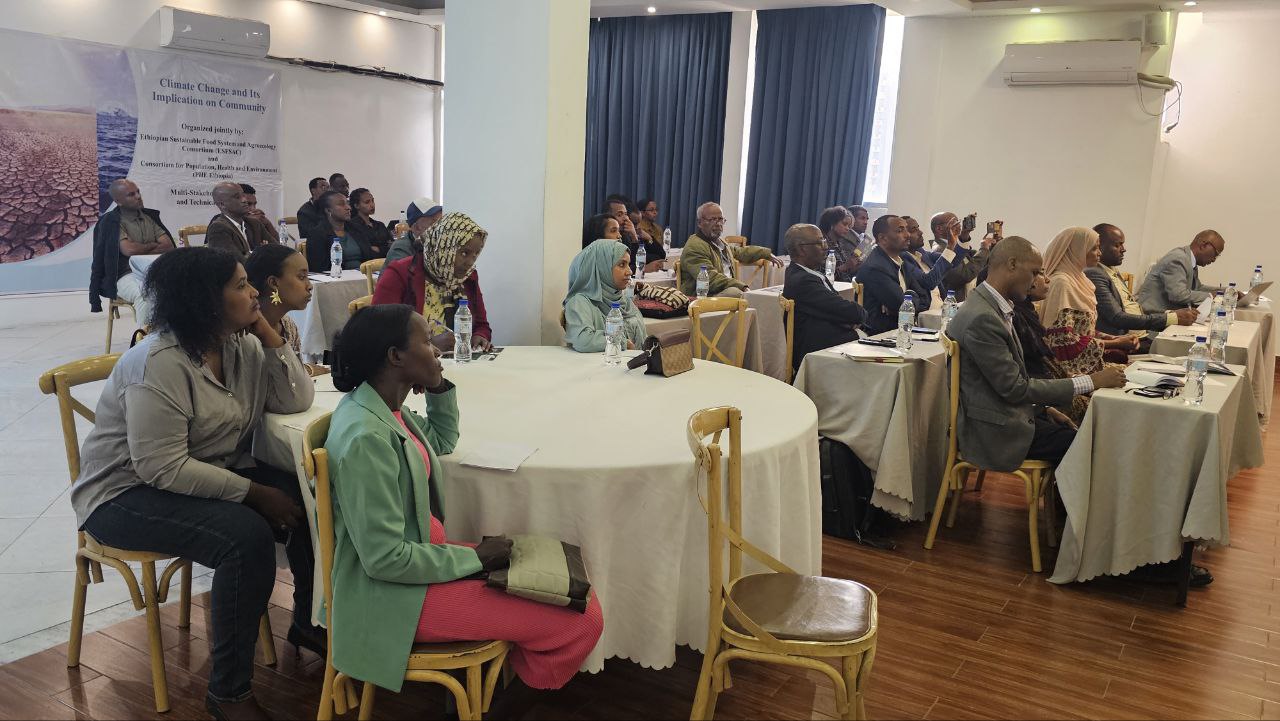
The event brought together researchers, policymakers, and practitioners to discuss climate change impacts on community livelihoods and health and to develop strategies for mitigation and adaptation.
Dr. Bayush Tsegaye, Executive Director of ESFSAC, praised recent national agricultural policies and advocated for agroecology as a key strategy to enhance climate resilience, food security, and nutrition.
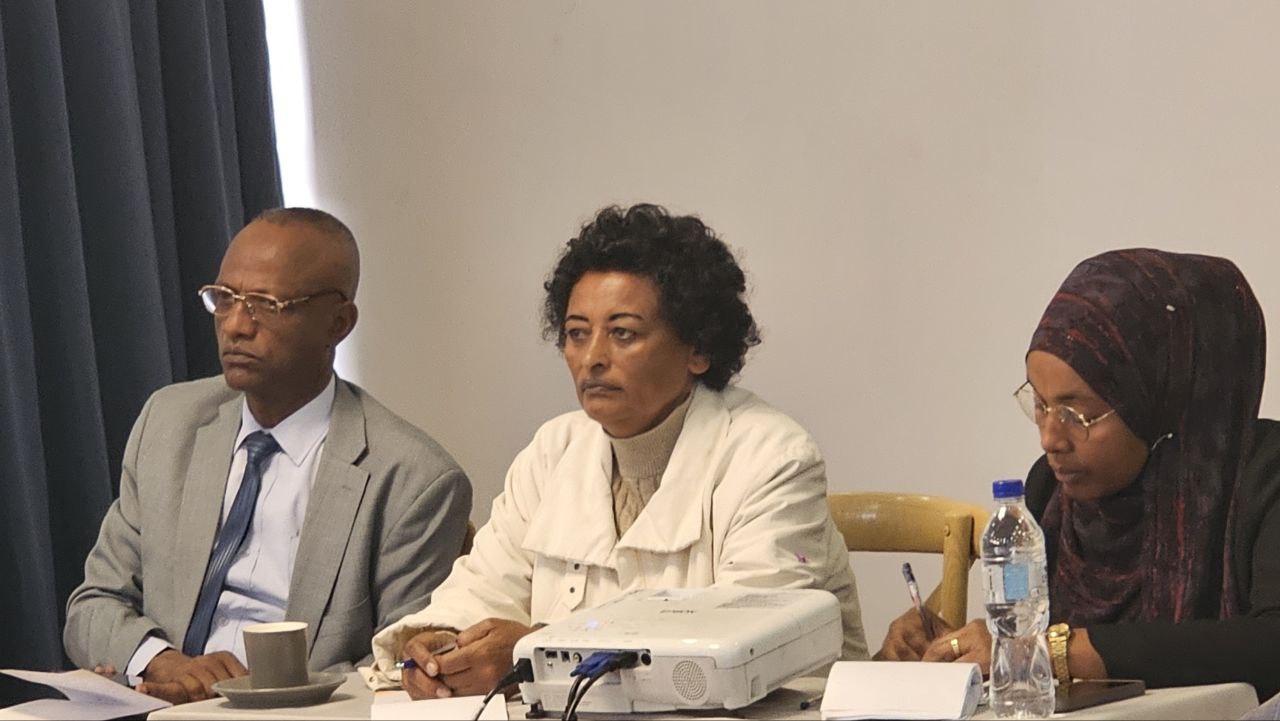
She highlighted climate-smart agricultural practices, efforts to reduce aid dependency, and initiatives such as the Green Legacy and Bounty of the Basket programs, which have gained global recognition for mitigating climate change impacts.
Abebe Merra, Program Manager at PHE Ethiopia, emphasized that climate variability, including droughts and floods, threatens Ethiopia’s subsistence agriculture.
He noted that rising temperatures have enabled disease vectors, such as those spreading malaria, to reach higher-altitude regions, including Addis Ababa. Abebe advocated for prioritizing women and girls in climate adaptation strategies, citing challenges related to access to services, reproductive health, and gender-based risks during climate-induced displacements.
Abebe also highlighted existing national strategies, including the Climate Resilience Green Economy, National Adaptation Plan, and the Long-Term Low-Emission Climate Resilience Development Strategy.
While these frameworks exist, he noted that weak local-level institutional arrangements hinder effective implementation, and advocated for increased community-level awareness and coordination to ensure strategies translate into tangible outcomes.
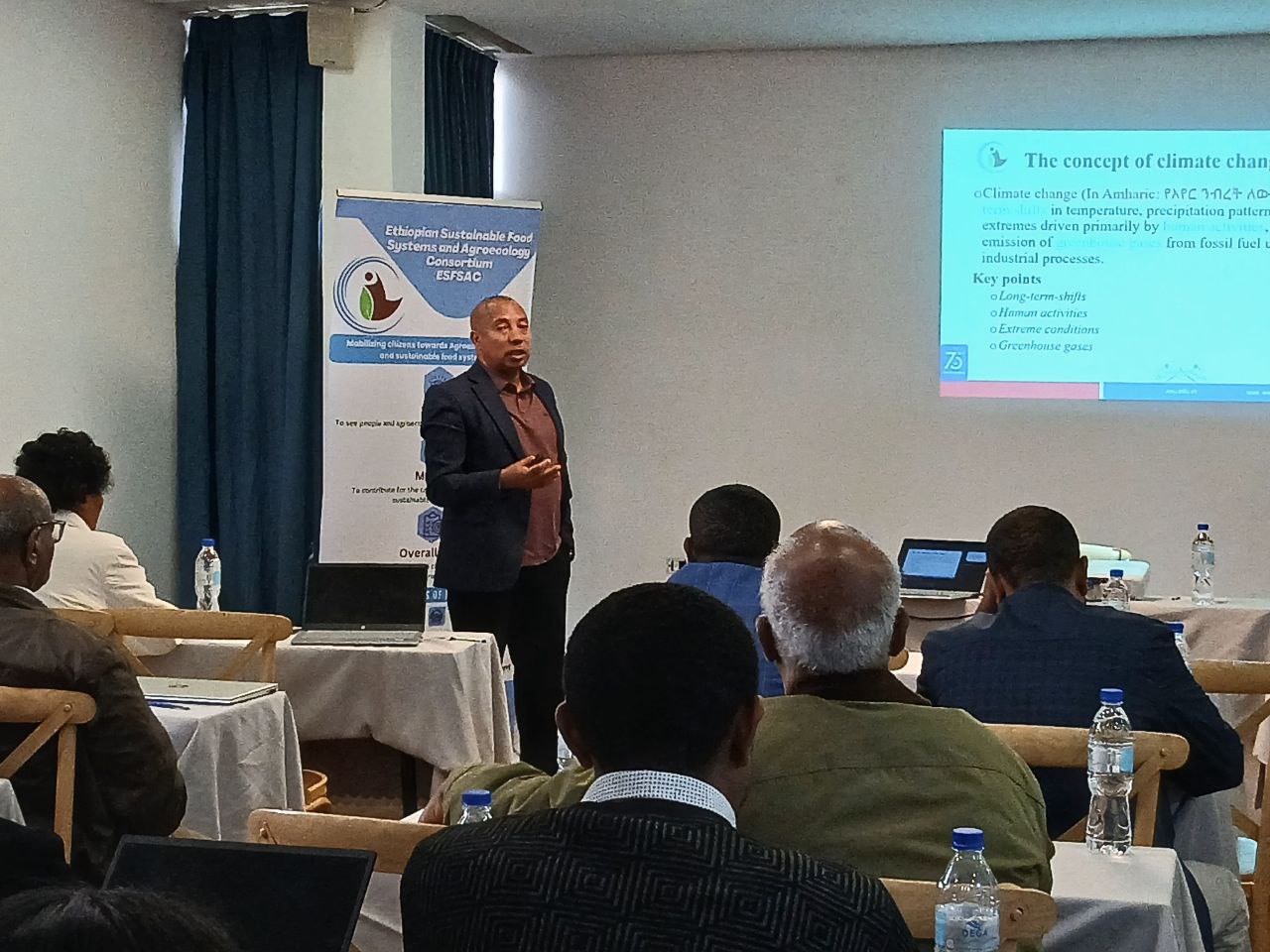
Prof. Mesay Mulugeta of Addis Ababa University emphasized the reality of climate change, citing increasing temperatures and erratic rainfall patterns.
He highlighted the Green Legacy Initiative, launched by Prime Minister Abiy Ahmed, as a critical effort to mitigate climate impacts through environmental conservation. Mesay advocated for agroecology, including the protection of water, soil, forests, and biodiversity, as essential to adapting to climate change.
On fertilizer use, Mesay acknowledged the government’s investment in chemical fertilizer production to address food insecurity, while advocating for a phased transition to organic fertilizers over the next 15 to 25 years. He noted that Ethiopia’s livestock resources provide opportunities to produce environmentally friendly organic fertilizers.
Members of the Agriculture Affairs Standing Committee of the House of People’s Representatives recognized the sector’s achievements, including average yields of 31 quintals per hectare.
They highlighted government investment, private sector engagement, and financial access, including over 80 billion birr in fertilizer subsidies last year. The committee also noted that the Green Legacy Initiative has expanded Ethiopia’s forest cover from 17 to over 23 percent, contributing to climate-resilient agriculture, and advocated for continued practical measures to sustain these gains.
The workshop concluded with stakeholders advocating for practical action to strengthen climate-resilient agricultural systems, expand organic fertilizer usage, and ensure the effective implementation of national climate and agricultural strategies at the community level.