
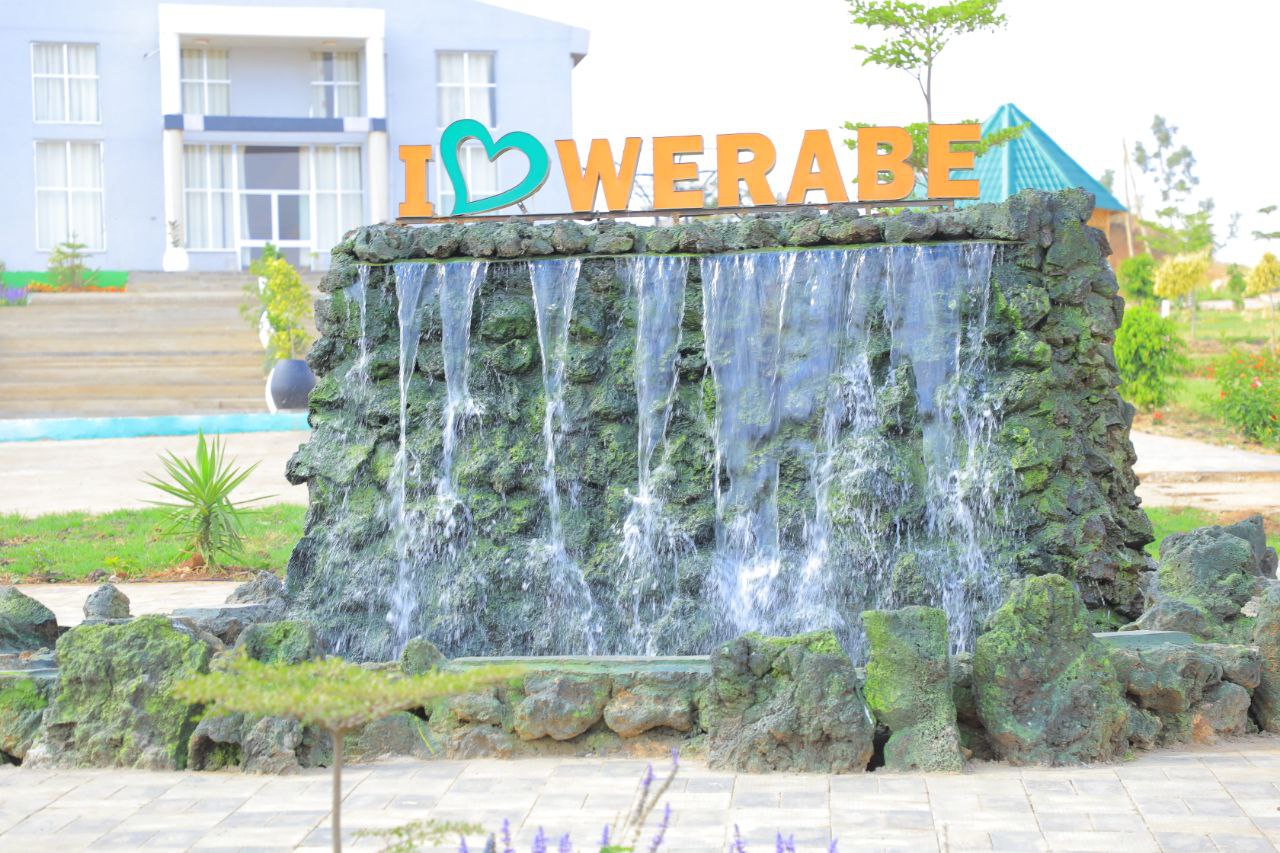
Large-Scale Recreation Park Project in Silte Zone Boosts Urban Services and Job Creation
Addis Ababa, January 21, 2026 (FMC) – Urban parks, green spaces, and public squares play a vital role in enhancing city aesthetics while providing significant social, recreational, and environmental benefits for residents. In line with this objective, the Worabe City Recreation Park, under development in the capital of the Silte Zone of the Central Ethiopia Region, is emerging as a major urban transformation project.
The park, which has been under construction since 2016, is being developed along the banks of the Dijo River and is designed to serve as a key recreational and social hub for the city and surrounding areas.
According to Sufian Mustafa, Head of the Silte Zone Communication Department, who spoke to Fana Digital, the Worabe Recreation Park spans a total area of seven hectares and is classified as a sub-city park under the Ethiopian Parks Classification Standard. Once fully operational, the park will have the capacity to accommodate up to 2,500 people at a time, making it one of the largest recreational facilities in the region.
Situated in a scenic riverside location conducive to leisure and fresh air, the park is rapidly transforming the area into a vibrant urban attraction. The project includes a wide range of facilities such as a meeting hall, café, swimming pool, basketball and tennis courts, modern toilets and shower facilities, landscaped green areas, fountains, and complementary infrastructure.
Mr. Sufian noted that several components have already been completed, including the meeting hall, café, fountain, basketball and tennis courts, internal roads, drainage systems, modern sanitation facilities, an artificial river, and other auxiliary structures. As a result, the park has begun offering partial services, providing residents and visitors with spaces for rest, entertainment, and recreation, while also hosting various government and public gatherings.
Beyond leisure activities, the park is being prepared to host large-scale public events. Standard sports fields for children, including football, basketball, and handball courts, have been completed and are now in use. A modern hut designed to reflect the cultural identity of the Silte people has also been constructed, offering cafeteria services and enhancing the park’s cultural appeal. The structure is surrounded by ornamental plants, fountains, and a waterfall, making it a focal point for visitors.
The park further features children’s playgrounds, venues for wedding ceremonies and public events, man-made rivers, fish-farming lakes, and small ponds. Approximately 75 percent of the park area is covered with shade and fruit-bearing trees, while the remaining portion is allocated to roads and supporting infrastructure.
In addition to its social and environmental contributions, the project has created significant employment opportunities. During the 2018 budget year alone, the park generated jobs for 280 citizens, according to the zonal communication office.
The recreation park is being implemented in two phases with a total budget exceeding 120 million birr. More than 85 million birr has been spent during the first phase of construction, while the second phase—currently underway—focuses on completing internal facilities and additional structures at a cost exceeding 40 million birr.
The project is expected to serve as a symbol of Worabe City, promoting the cultural values of the local community while generating sustainable income for the city administration in the future. Ongoing works are being expedited, with plans to further expand the park’s services and facilities, aiming to position it among the country’s leading urban recreation parks.
Mr. Sufian emphasized that, even at its current stage of development, the park is already addressing the shortage of recreational and leisure facilities at the regional level and delivering wide-ranging social, economic, and environmental benefits.