
Corridor and Riverside Developments Power Addis Ababa’s Rise as a Sports and Conference Tourism Hub
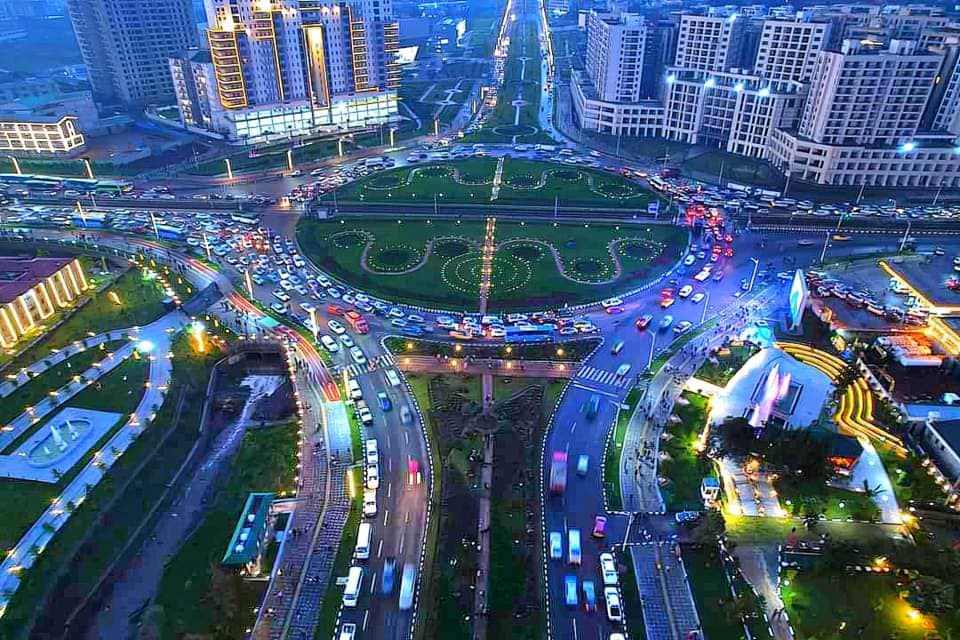
Addis Ababa, February 8, 2026 (FMC) — Addis Ababa’s expansive corridor development and riverside rehabilitation projects are increasingly emerging as key catalysts for the growth of sports and conference tourism, drawing rising interest from both local and international audiences.
City officials and tourism stakeholders say the large-scale initiatives have transformed public spaces, upgraded critical infrastructure, and significantly enhanced the capital’s attractiveness as a destination for major sporting events and international conferences.
The projects form part of Ethiopia’s broader strategy to reposition Addis Ababa as a modern diplomatic, business, and tourism hub, while simultaneously improving livability and urban services for residents.
According to the Addis Ababa City Tourism Commission, the rehabilitation of riverbanks and the creation of green public spaces have generated favorable conditions for sports tourism, particularly cycling and other non-motorized transport activities.
These developments were recently highlighted during a bicycle festival held at Arada Park under the theme “Bicycle in Addis.”
Binyam Taye, Deputy Commissioner of the Addis Ababa City Tourism Commission, emphasized that tourism has become the world’s leading economic driving industry, playing an irreplaceable role in national development by expanding employment, trade, and investment opportunities.
He further noted that Addis Ababa’s corridor development and riverfront rehabilitation have fundamentally reshaped the city’s landscape and strengthened its capacity to host continental and international sports events.
“The beautification of the city and the upgraded infrastructure have created a favorable environment for sports tourism and for cycling as an alternative mode of transportation,” he said, adding that the bicycle festival is organized on a monthly basis to promote sports tourism and raise public awareness.
Asmerom Berhane, Deputy Head of the Addis Ababa City Administration Transport Bureau, said the projects have improved urban mobility while safeguarding the city’s natural environment.
“The achievements that have preserved the city’s landscape have created a conducive environment for bicycle transportation,” he said, pledging continued collaboration to make non-motorized transport an integral part of the city’s culture.
Festival participants also shared positive reflections on the impact of the initiatives.
Salamwit Endale, a young participant, said the event demonstrated Addis Ababa’s growing potential in sports tourism.
Another participant, Alemayehu Barasso, noted that the corridor and riverside projects have made cycling more practical and enjoyable, encouraging healthy physical activity while allowing residents to better appreciate the city’s ongoing transformation.
Beyond sports tourism, Addis Ababa’s expanding role in conference tourism is being reinforced by the Addis International Convention Center, which officials say is making a substantial contribution to urban development and the broader tourism sector.
Kirubel Kefyalew, Deputy Manager of the center, said that since becoming operational, the facility has hosted more than 73 international conferences, exhibitions, and major events.
He noted that the center has significantly strengthened the city’s capacity to organize large-scale international gatherings, citing the successful hosting of the African Climate Summit as a key example.
“The center is enhancing Addis Ababa’s profile as a destination for international conferences and supporting the implementation of the African Free Trade Area by providing quality and efficient services,” Kirubel said, adding that residential apartments within the compound will begin service soon.
Stakeholders operating within the center also highlighted its broader impact on conference tourism.
Event organizer Yoadan Tilahun said they are contributing to the sector by delivering efficient and world-class services for meetings and events.
Cultural restaurant manager Eshetu Alemayewe, on his part, said promoting Ethiopian culture through hospitality services has increased the center’s appeal to foreign visitors.
Located on 40 hectares of land, the Addis International Convention Center features two large halls with capacities ranging from 3,000 to 4,000 people, eight small and medium meeting halls accommodating up to 10,000 participants in total, along with a range of supporting facilities.
City officials say the combined impact of corridor development, riverside rehabilitation, and modern conference infrastructure is steadily strengthening Addis Ababa’s tourism appeal and reinforcing its position as one of Africa’s leading diplomatic, business, and cultural hubs.