
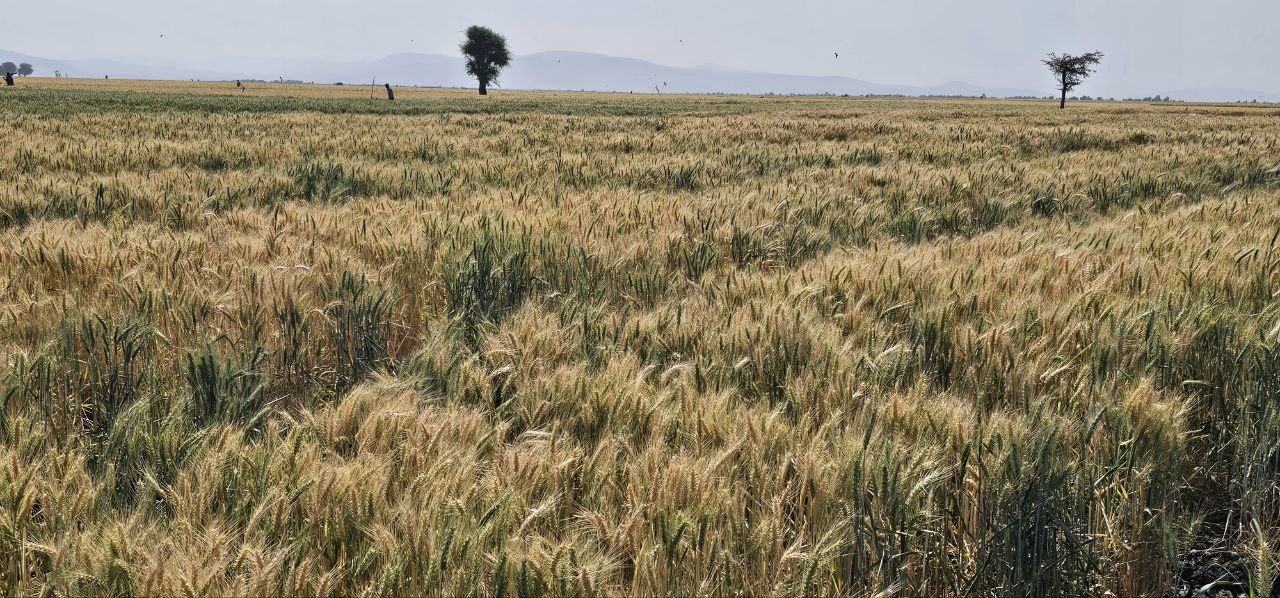
International experts applaud Ethiopia’s progress in wheat productivity and food security
Addis Ababa, February 26, 2026 (FMC) — International agricultural experts have praised Ethiopia’s advances in wheat productivity and food security, describing the country’s progress as a strong example of agricultural transformation in Africa.
The delegates shared their impression during a regional workshop under the TAAT-II Wheat Compact initiative coordinated by the Ethiopian Agricultural Research Institute (Ethiopia agricultural research organization) in collaboration with international partners.
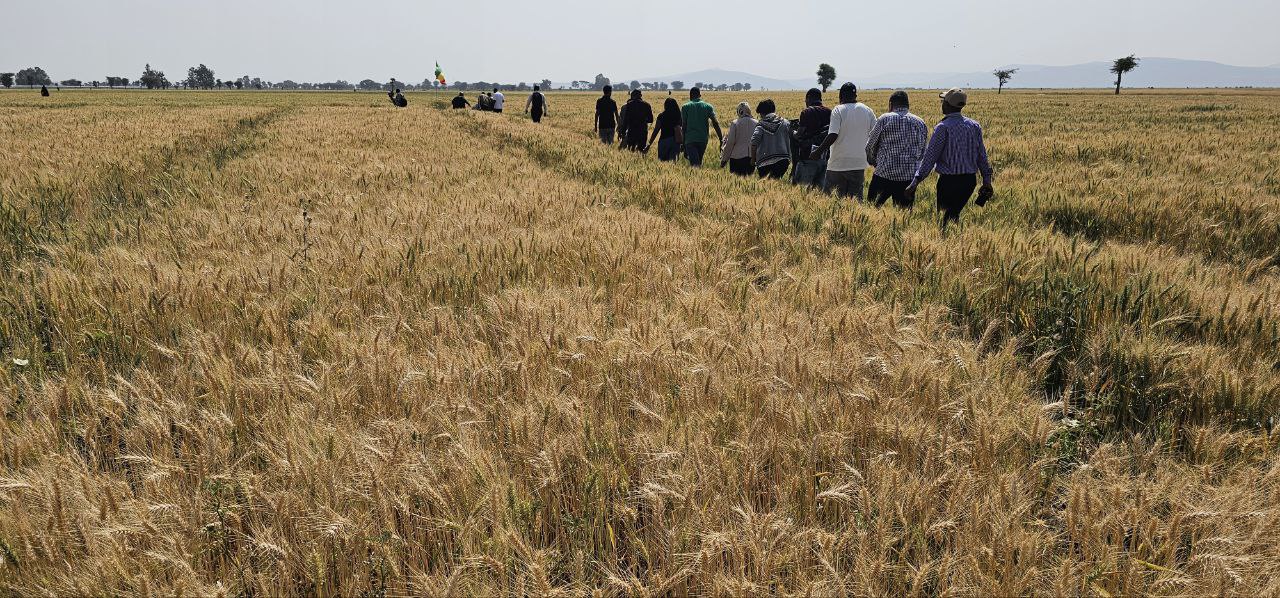
Delegates from Ethiopia, Kenya, Mali, Sudan, Tanzania, and Zimbabwe, together with research organizations and development partners, reviewed progress in wheat production and strategies for expanding food security.
Field visits to an innovation platform site in Lume Woreda, East Shewa Zone, showcased irrigated wheat production systems and technology demonstrations aimed at improving yields in Ethiopia’s lowland areas. Participants observed the use of heat-tolerant wheat varieties and improved water management techniques designed to expand production beyond traditional highland zones.
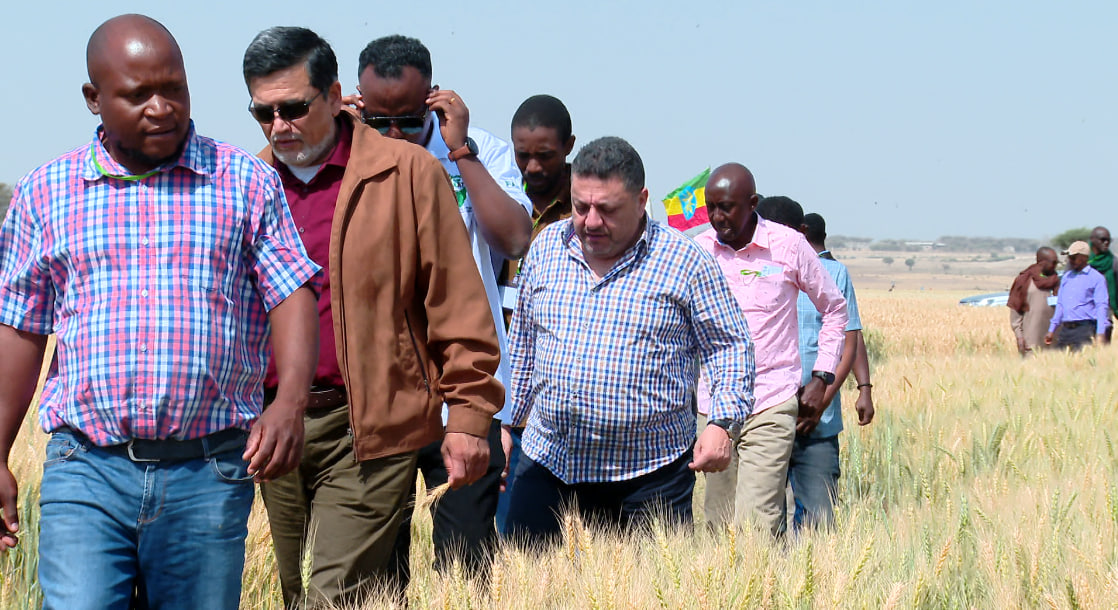
In an exclusive interview with Fana Media Corporation during the field visit, experts highlighted Ethiopia’s achievements in scaling wheat production and adopting climate-smart technologies.
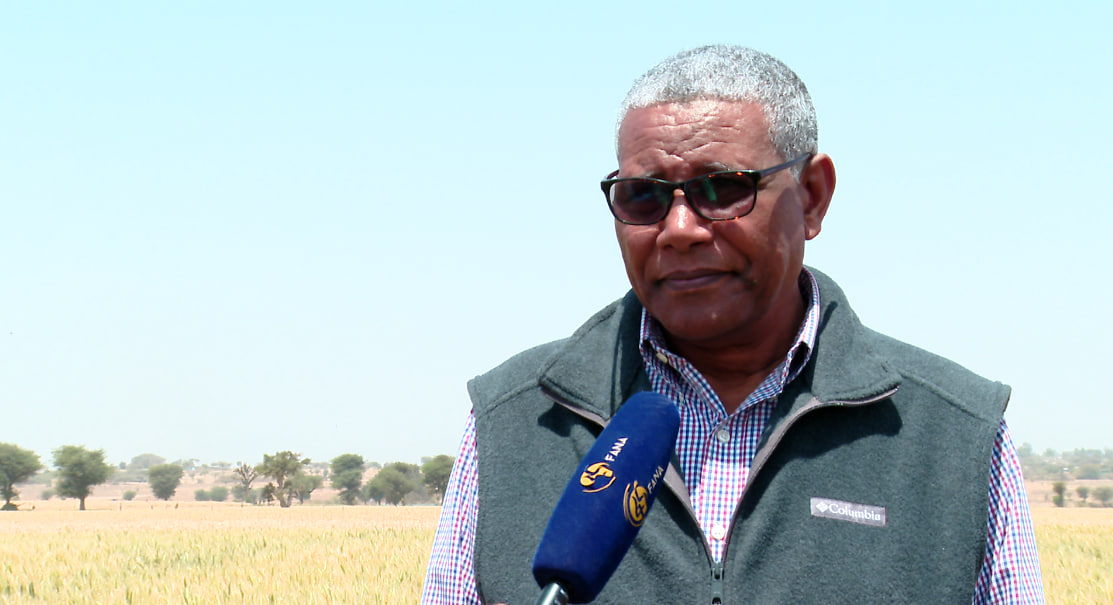
Zewde Bishaw (PhD), Head of Technologies for African Agricultural Transformation and Wheat Compact at the International Center for Agricultural Research in the Dry Areas (international agricultural research organization), emphasized the importance of innovation and partnerships.
“Our institution, working with the Ethiopian Institute of Agricultural Research, has developed climate-smart technologies that enhance heat tolerance, drought resistance, and water-use efficiency,” he said. “By expanding production into lowland areas and adopting improved techniques, Ethiopia has demonstrated that large-scale wheat cultivation is possible and sustainable.”
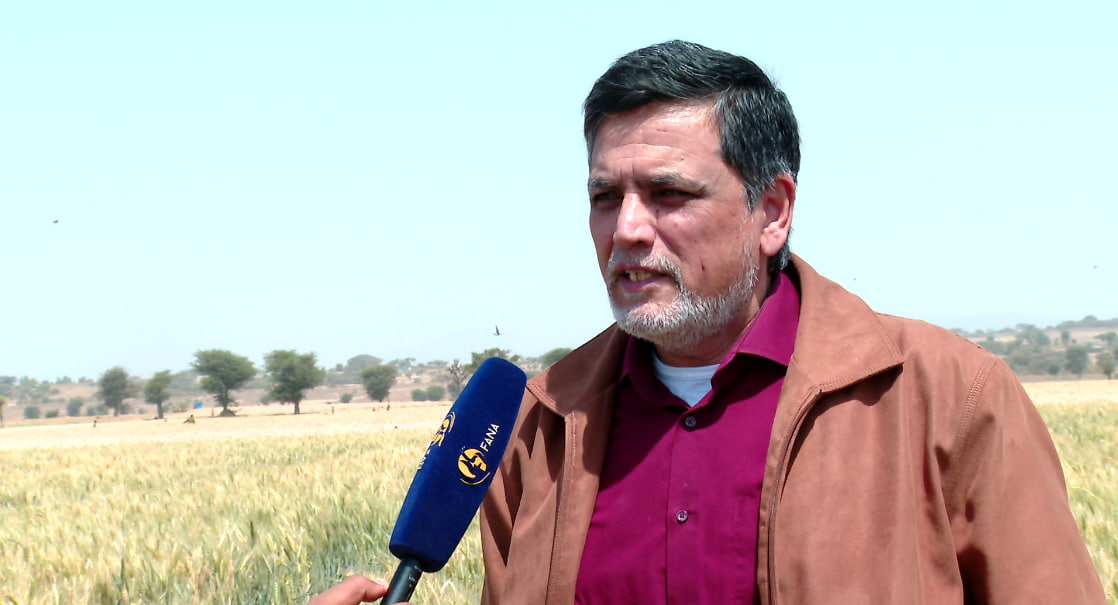
Imtiaz Muhammad, Seeds System Specialist at ICARDA and Country Coordinator in Pakistan, described Ethiopia’s rapid expansion of irrigated wheat as a significant achievement with lessons for other wheat-producing nations.
“The national program, strong partnerships, and technology adoption have enabled Ethiopia to scale production and move toward food self-sufficiency,” he stated. “This is a major accomplishment and a useful example for countries seeking to strengthen food security.”
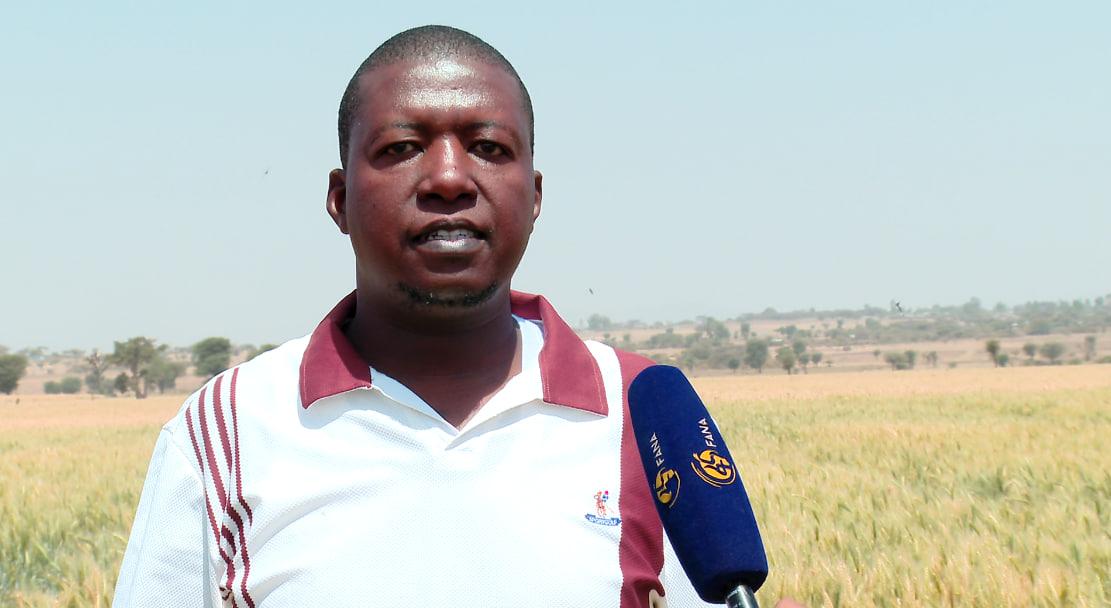
Kennedy Kago, Monitoring and Evaluation Assistant for the TAAT program in Kenya, commended Ethiopia’s clustering approach to farming and innovation platforms.
“The clustering of farms and adoption of irrigated wheat systems reduce production costs and improve economies of scale,” he said. “Ethiopia is a front runner in wheat production, and other African countries can learn from these practices.”
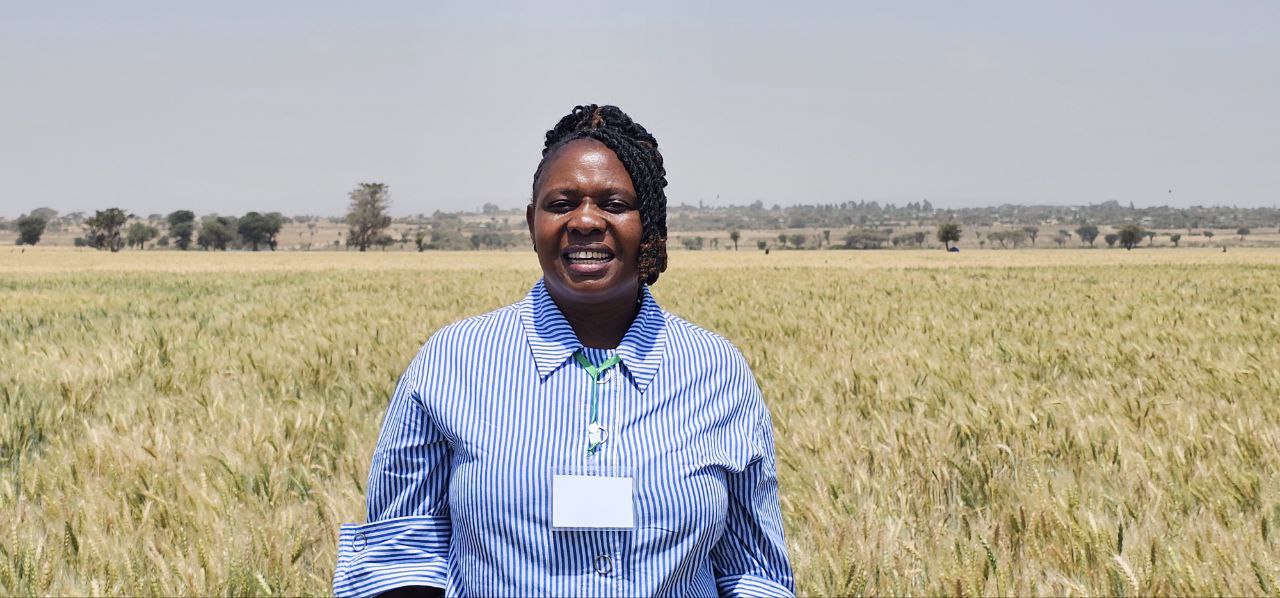
Agronomist Ms. Cecilia Sanyamuvera from Zimbabwe underscored the potential for knowledge transfer and technology adoption.
“Ethiopia’s use of modern production techniques contrasts with traditional methods still common in our country,” she noted. “We plan to take these technologies home and encourage cluster farming to improve yields and disease management.”
Delegates collectively highlighted Ethiopia’s progress as evidence that technology, partnerships, and investment can transform agriculture and enhance food security across Africa.
The initiative is supported by partners including the African Development Bank (multilateral development bank) and aims to strengthen agricultural productivity through technology transfer, research collaboration, and capacity building.
By Mesafint Brlie