
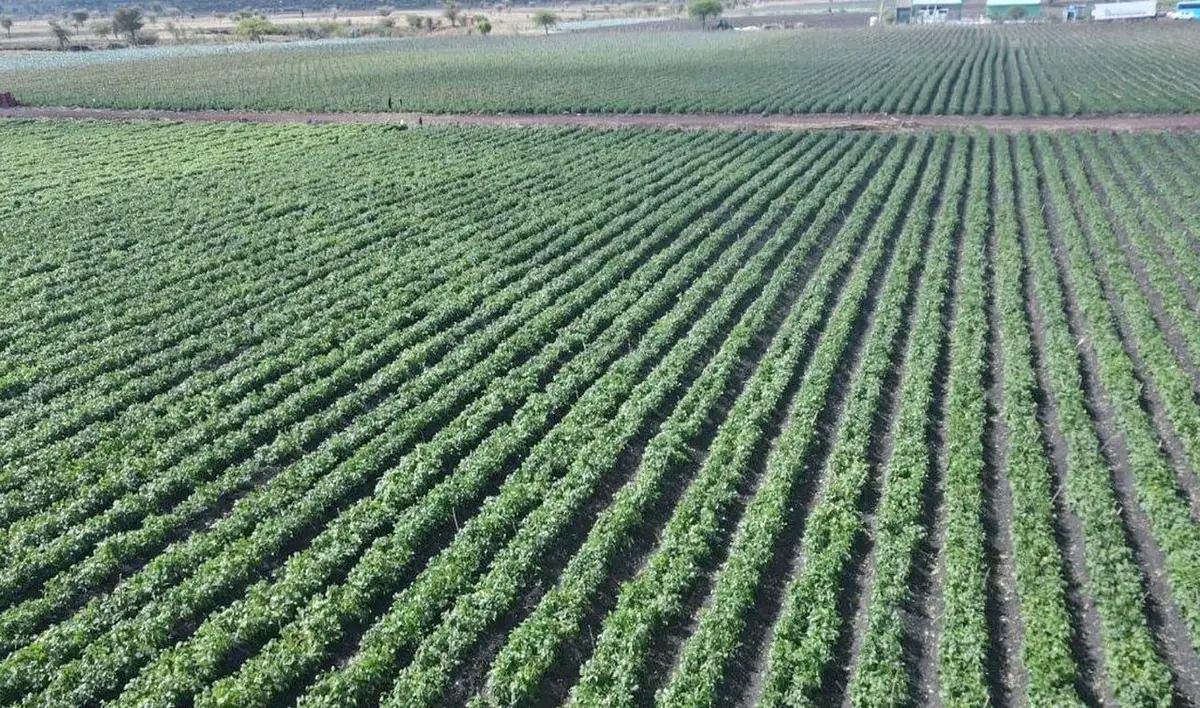
Ethiopia Launches Nationwide Crop Development Campaign to Boost Food Sovereignty
Addis Ababa, April 4, 2026 (FMC) — The Ministry of Agriculture has officially launched the 2018/19 Ethiopian fiscal year (2026) Nationwide Crop Development Campaign, setting out priorities aimed at strengthening productivity, ensuring input supply, and advancing the country’s food sovereignty agenda.
The launch event was held in Adama, bringing together regional agricultural bureau heads and key stakeholders from across the sector.
Speaking at the occasion, Minister of Agriculture Addisu Arega called on institutions at all levels to develop targeted implementation plans and carry out coordinated efforts in line with the campaign’s objectives. He stressed the importance of ensuring the timely and efficient distribution of fertilizers and other agricultural inputs, while addressing existing gaps.
The Minister noted that Ethiopia has registered significant progress in the agricultural sector, but emphasized the need to further strengthen and elevate performance in line with the country’s vast potential. He underscored that ongoing efforts are aligned with the broader vision of the government to achieve food sovereignty through sustained, multi-dimensional interventions.
Highlighting structural challenges, Addisu Arega emphasized the importance of reducing reliance on rainfall by improving the utilization of groundwater, surface water, and rainwater harvesting systems. He also called for the consolidation and expansion of the three الإنتاج cycles per year initiative introduced during the reform period.
On agricultural inputs, the Minister stated that adequate fertilizer supplies have been secured for the current production season, with efforts underway to ensure their timely delivery to farmers. At the same time, he acknowledged that global crises, particularly in the Middle East, continue to impact the agricultural sector.
In this regard, he urged all levels of government to intensify efforts to promote the large-scale production and use of natural fertilizers, particularly compost, as a strategic response to potential supply disruptions.
Addisu Arega further noted that lessons from the sector’s resilience during the COVID-19 pandemic should be leveraged to turn emerging challenges into opportunities.
He added that extensive work is ongoing to expand access to agricultural mechanization as part of broader efforts to modernize the sector and sustain productivity gains.