

AI Is No Longer Optional but a Strategic Necessity for Africa — Ethiopian FM
Addis Ababa, April 16, 2026 (FMC) – The Minister of Foreign Affairs of Ethiopia, Gedion Timothewos, today chaired a Ministerial Meeting of the African Union Peace and Security Council (AUPSC) held virtually under the agenda item “Artificial Intelligence: Governance, Peace and Security in Africa,” as part of Ethiopia’s chairship of the Council for April 2026.
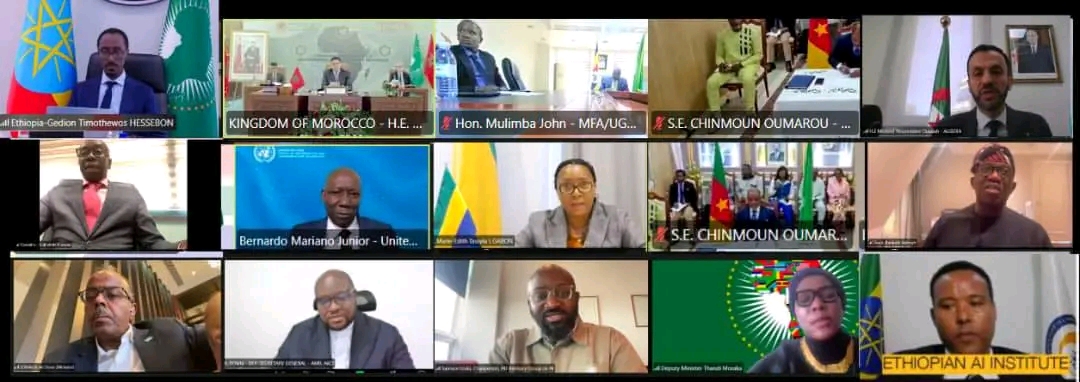
Opening the meeting, Gedion Timothewos noted that Artificial Intelligence (AI) is rapidly reshaping governance, economic development, and security globally. He stated that governments and institutions are increasingly integrating AI into decision-making processes, public administration, security systems, and economic planning.
He underscored that AI presents both opportunities and challenges for Africa. He indicated that when responsibly harnessed, AI can strengthen conflict prevention, enhance early warning mechanisms, support mediation efforts, and improve governance systems across the continent. At the same time, he cautioned that misuse of AI could exacerbate disinformation, cybercrime, and potential exploitation by terrorist and criminal networks, emphasizing the need for appropriate regulatory frameworks.
The Minister stressed the importance of building on the African Union Artificial Intelligence Strategy and welcomed the establishment of the AU Advisory Group on Artificial Intelligence, Peace and Security. He also noted the designation of Prime Minister Abiy Ahmed as AU Champion on Artificial Intelligence and Digital Health, reflecting growing political commitment to advancing Africa’s digital agenda.
Gedion Timothewos further underscored that the adoption of Artificial Intelligence is no longer optional but a strategic necessity, noting that decisions taken today will shape how emerging technologies influence governance, peace, and development across Africa in the years ahead.
Ethiopia’s Permanent Representative to the African Union and the United Nations Economic Commission for Africa, Hirut Zemene, delivered Ethiopia’s national statement. She underscored the need to translate the AU Artificial Intelligence Strategy into practical action through appropriate governance and regulatory frameworks that ensure the responsible and ethical use of AI technologies.
She further highlighted the potential of AI to strengthen Africa’s peace and security architecture, including through enhanced early warning systems, preventive diplomacy, and improved analytical capacities.
Ambassador Hirut also outlined Ethiopia’s ongoing efforts to harness AI in support of governance and public service delivery, noting initiatives that integrate AI-based solutions into government systems and enhance public safety through data-driven approaches.
She further emphasized Ethiopia’s focus on building human capital and technological expertise through initiatives aimed at advancing research, education, and digital skills development in areas such as artificial intelligence, data science, and cybersecurity.
The meeting provided an opportunity for Council members to exchange views on strengthening Africa’s peace and security architecture through AI, developing governance frameworks for its responsible use, and enhancing the continent’s capacity in digital infrastructure, research, education, and innovation.
Deliberations and presentations were made on how governments and institutions in Africa are integrating AI into decision-making processes, public administration, security systems, and economic planning.