
Policy shift powers Ethiopia’s move toward high-impact, technology-led industrial growth – GCS
Addis Ababa, April 28, 2026 (FMC) — Ethiopia’s industrial transformation drive is a central pillar for safeguarding long-term national sovereignty, with the government emphasizing structural change that goes beyond quantitative economic growth, according to the Government Communication Service (GCS).

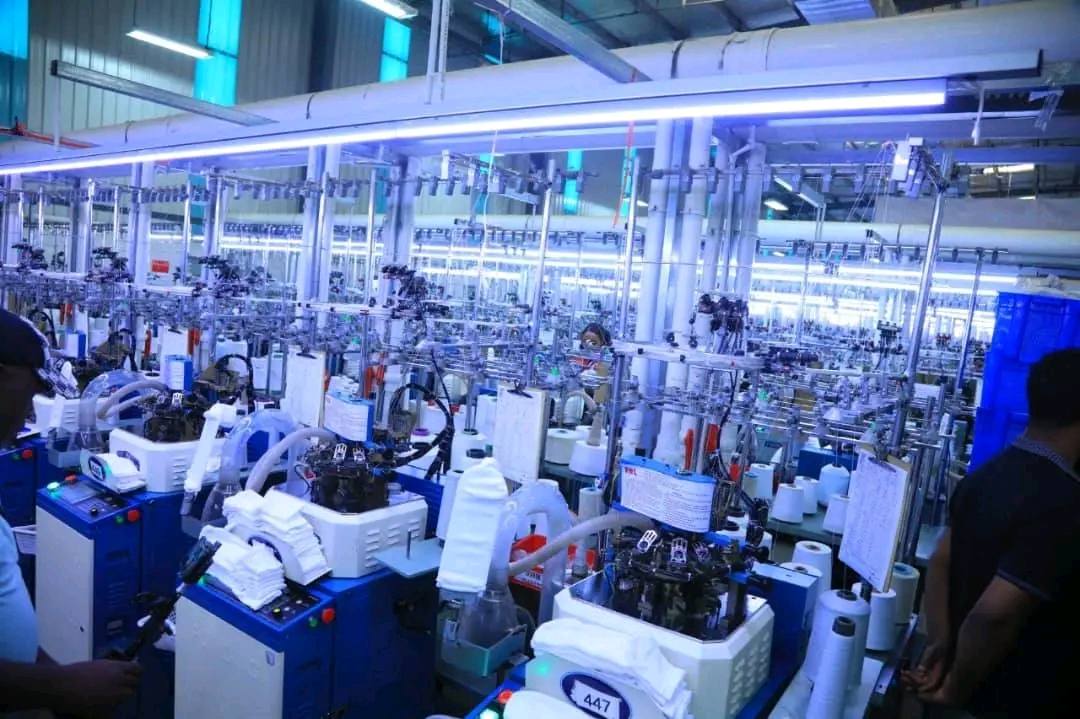
The government is working to build strategic economic independence by strengthening the manufacturing sector as a foundation for self-reliance, aiming to meet domestic needs through local production capacity while reducing exposure to external pressures and dependence.
According to the GCS, the ongoing transformation has entered a more advanced phase centered on technological capability. Solar cell manufacturing plants established in Hawassa, Debre Birhan, and Addis Ababa are cited as demonstrating the country’s shift from basic consumer goods production to higher-value technological manufacturing, with the facilities generating over one billion U.S. dollars annually.
The GCS also noted that the government has revised its industrial park development approach, transitioning from expansion in scale to a focus on quality and strategic impact. The new direction prioritizes attracting high-value investors capable of delivering technological transfer and broader economic benefits, with the aim of positioning Ethiopia as a competitive partner in global manufacturing value chains while equipping the younger generation with advanced technical skills.
Complementing this effort, the “Made in Ethiopia” (Ethiopia Tamirt) initiative is contributing to import substitution by promoting the domestic production of construction materials. By facilitating access to local resources such as iron ore, marble, and silica, the initiative is helping conserve foreign exchange and strengthen the capacity of domestic industries under a policy framework that emphasizes local production over imports.
According to the GCS, measures undertaken in the sector have enabled the resumption of operations in more than 800 previously closed factories, raising overall industrial production capacity to 67 percent.
The GCS stated that aligning industrial expansion with strategic policy reforms is laying a foundation for sustained economic growth, as Ethiopia advances efforts to build a resilient and self-sufficient manufacturing sector.