
UN Secretary-General Criticizes Global Debt and Financial Systems as Structurally Unfair to African Countries
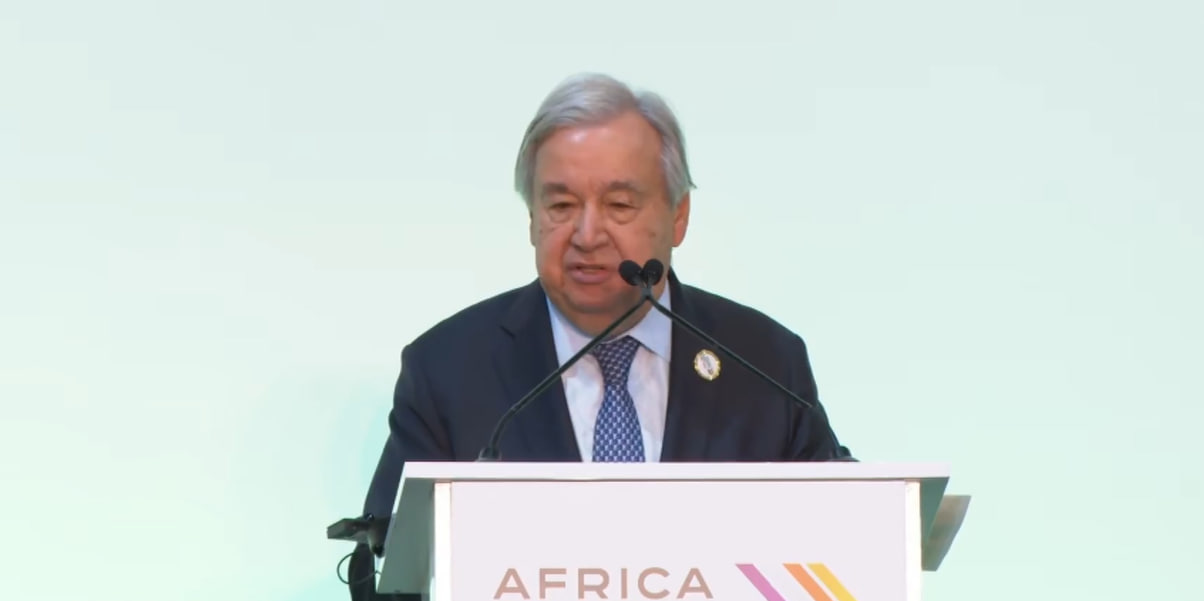
Addis Ababa, May 12, 2026 (FMC) — United Nations Secretary-General António Guterres has criticized the global debt and financial architecture, describing it as structurally unfair to African countries and many developing economies.
Speaking at the Africa Forward Summit in Nairobi, Kenya, Guterres said the current global financial system, designed in 1945, no longer reflects today’s realities and continues to disadvantage developing countries in access to finance and debt sustainability.
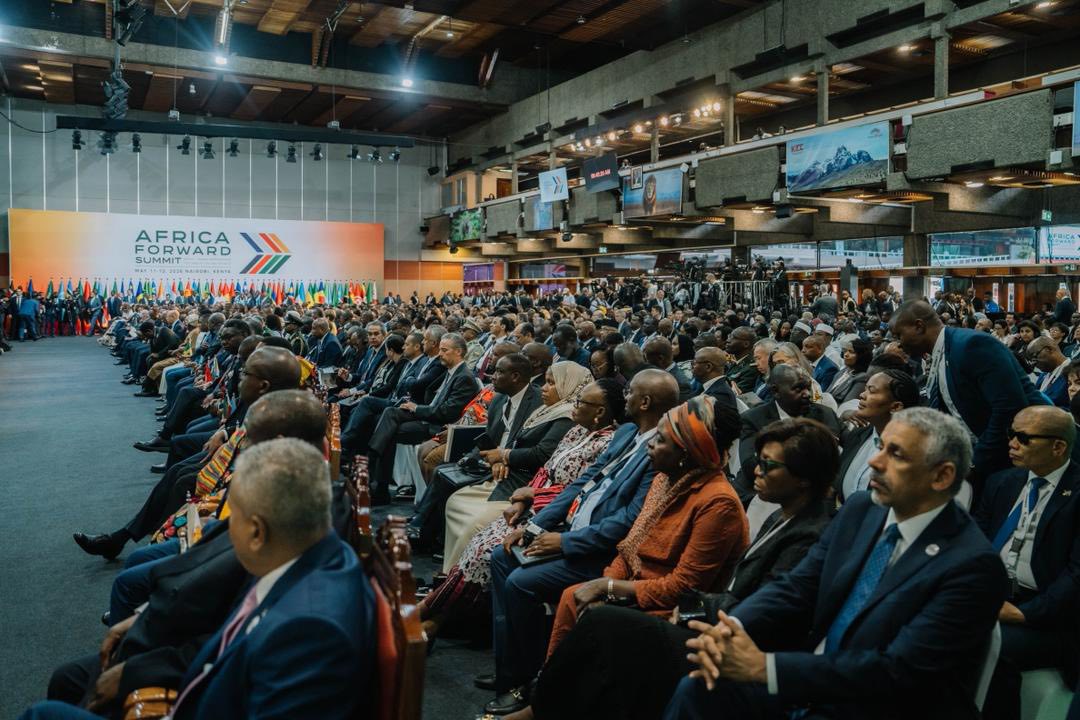
He highlighted Africa’s growing role in pushing for reforms, noting its leadership in advancing discussions on restructuring the global financial system, including efforts to strengthen collective bargaining mechanisms for borrowing countries and challenge credit rating systems he said are biased against developing economies.
The UN Secretary-General also commended initiatives such as the Seville Commitment, aimed at expanding the lending capacity of multilateral development banks, mobilizing private capital, and addressing rising debt burdens in developing countries.
He underscored the role of African institutions, particularly the African Development Bank, in advancing reforms to mobilize domestic resources and reshape financial systems to better serve African priorities.
Guterres further supported efforts toward a UN framework convention on international tax cooperation, saying it would help ensure fairer global taxation and reduce revenue losses for developing countries.
On climate issues, he warned that Africa faces disproportionate impacts despite contributing minimally to global emissions, stressing that the continent continues to suffer from climate shocks, including displacement, food insecurity, and economic losses.
He also noted that Africa receives a disproportionately small share of global clean energy investment despite holding vast renewable energy potential, calling for increased financing to close the gap.
The UN chief emphasized that climate adaptation finance remains insufficient, urging urgent global action to support vulnerable countries, particularly in Africa, which continues to bear the heaviest burden of climate change impacts.