

PM’s Flagship Green Initiatives Deliver Major Gains in Environmental Protection: EEPA
Addis Ababa, June 6, 2026 (FMC) — According to the Ethiopian Environmental Protection Authority (EEPA), transformative initiatives conceptualized by Prime Minister Abiy Ahmed and implemented under his leadership are making substantial contributions to environmental protection and sustainability.
The authority noted that flagship programs such as the Riverside Development and Corridor Development initiatives are playing a significant role in advancing environmental sustainability while also supporting urban renewal across major cities.
This was highlighted during the commemoration of the 33rd National Environmental Protection Day, which coincided with the 53rd global observance of World Environment Day.
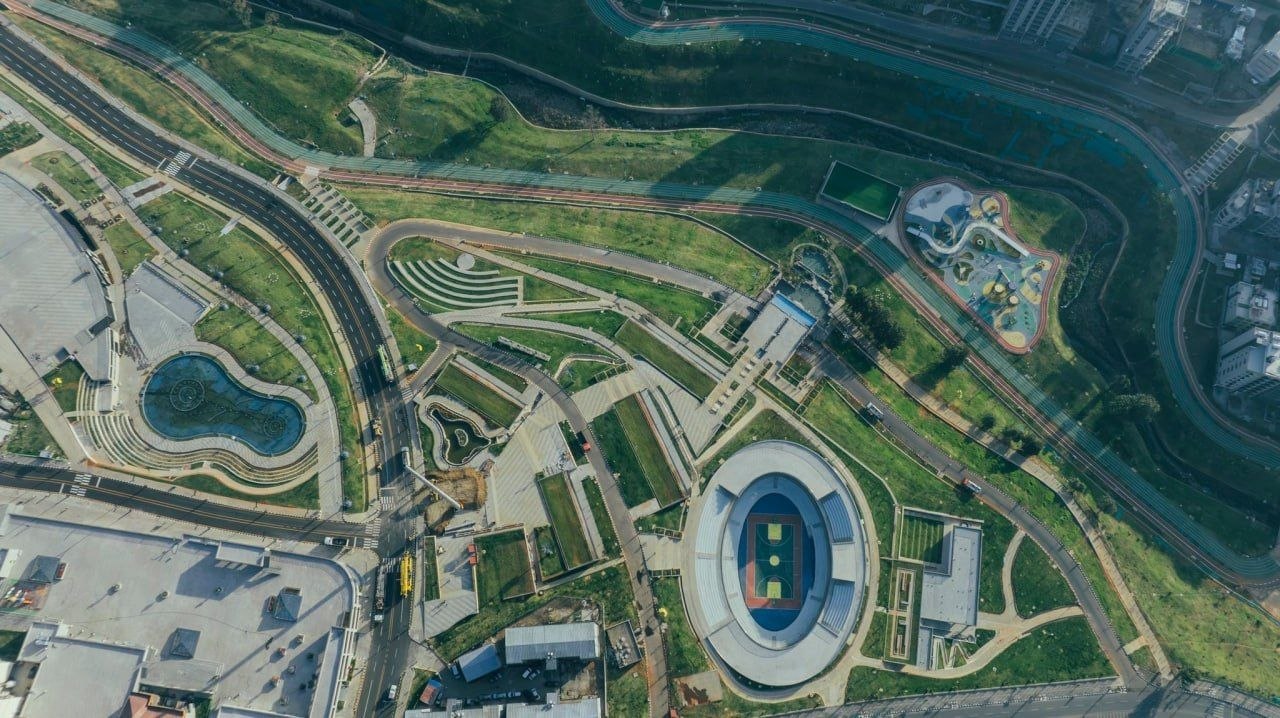
As part of the event, senior officials and environmental experts from federal and Addis Ababa environmental protection institutions visited the newly inaugurated Entoto–Kechene Riverside Development Project.
The eco-park, which was recently completed, was officially inaugurated and opened to the public by Prime Minister Abiy Ahmed.
During the visit, Ethiopian Environmental Protection Authority Director-General Lelise Neme stated that initiatives led by the Prime Minister have significantly strengthened national conservation efforts, producing visible and impactful ecological results.

She recalled the major achievements of the Green Legacy Initiative, under which more than 48 billion tree seedlings have been planted nationwide.
According to her, this large-scale afforestation program continues to generate wide-ranging benefits, including reducing carbon emissions and mitigating air pollution.
Lelise further emphasized that these achievements have earned Ethiopia growing international recognition, as the country’s climate actions contribute to ecosystem restoration and biodiversity enhancement.
She also noted that the ongoing riverside development projects reflect a modern approach to environmental stewardship, describing the Entoto–Kechene project as a clear example of how urban development can be harmonized with natural ecosystems.
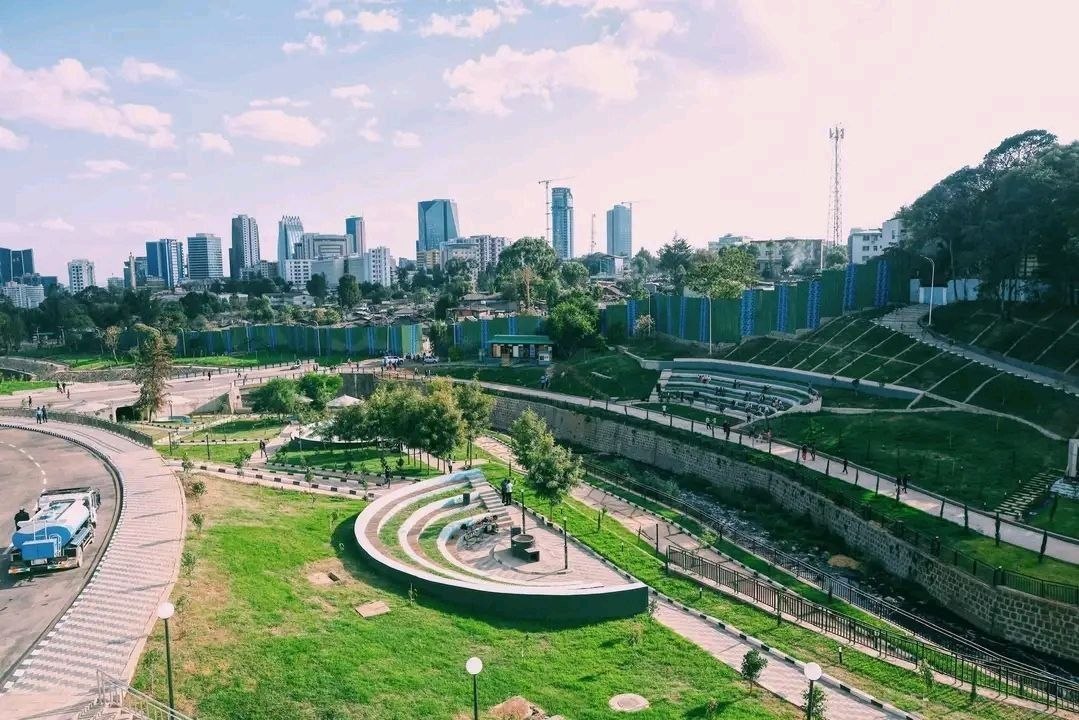
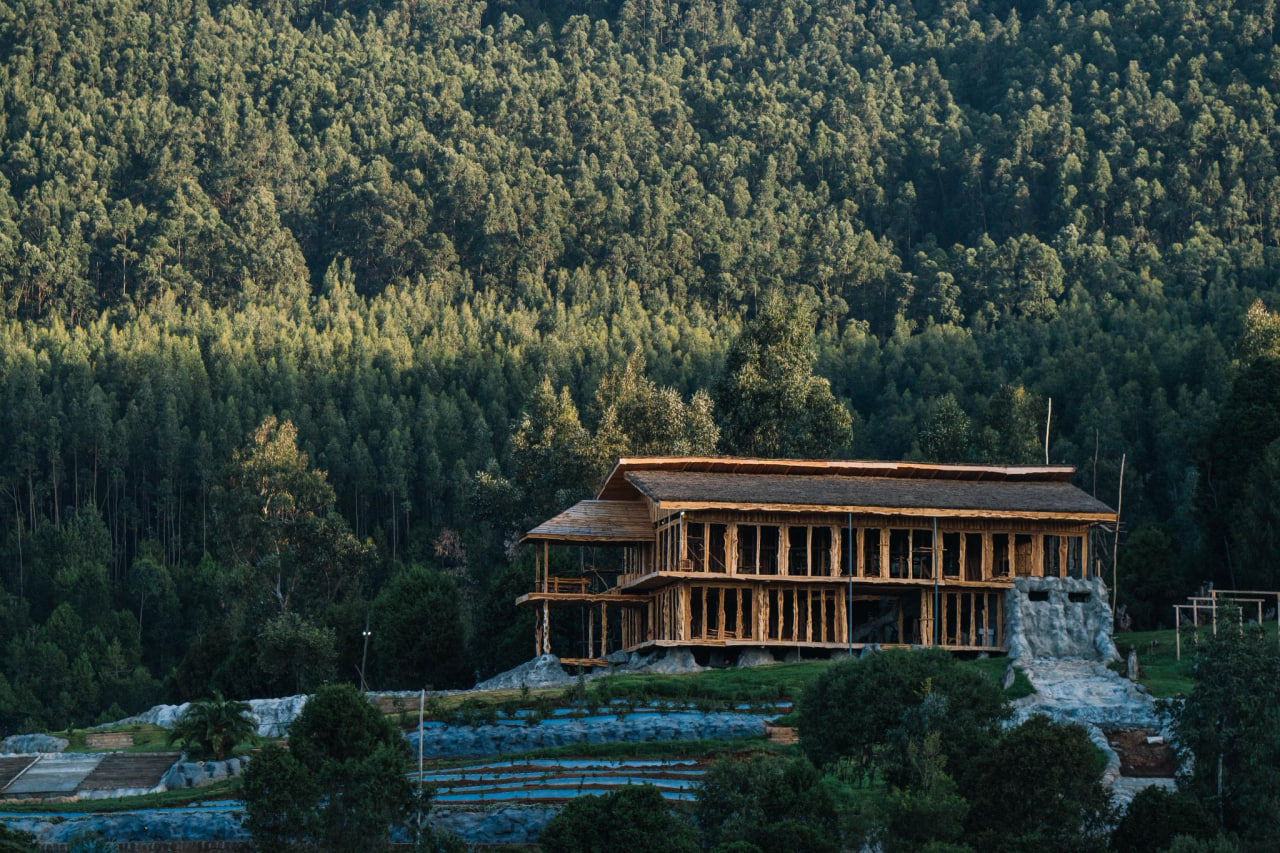
A distinctive feature of the project, she added, is its careful preservation of indigenous plant species and its architectural integration of the Konso community’s UNESCO-recognized traditional terracing and environmental conservation practices, blending cultural heritage with ecological design.
According to the Director-General, these initiatives are positioning Ethiopia as an emerging global model and reference point for sustainable green development.