
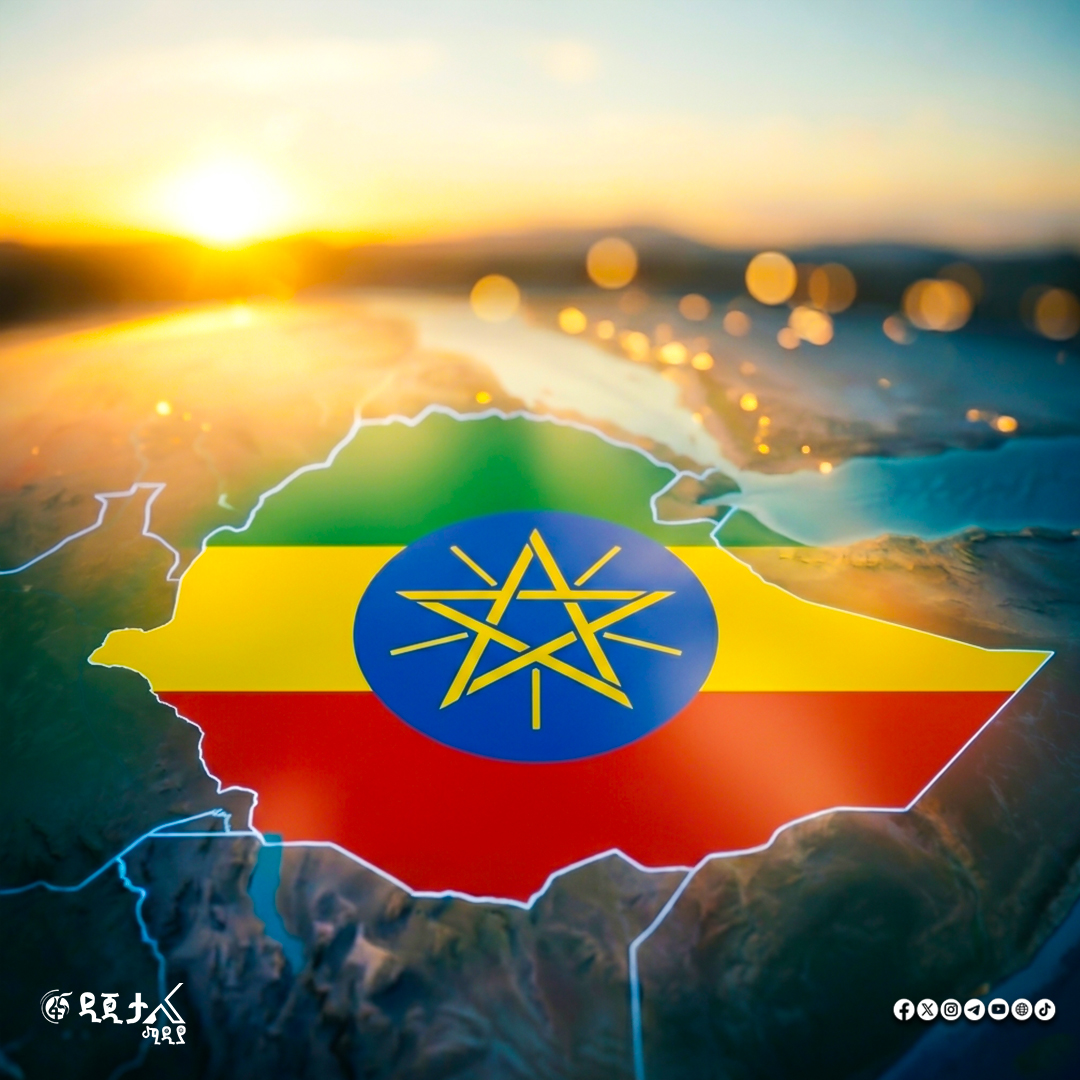
Ethiopia’s Rising Diplomatic Arc: Sovereignty, Synergy, and a Growing Global Footprint
Addis Ababa, June 18, 2026 (FMC) – In a global order increasingly defined by shifting power centers and the steady transition toward multipolarity,
Ethiopia’s diplomatic posture reflects a trajectory of continuous ascent—anchored in history, shaped by transformation, and expanding in scope across regional, continental, and global arenas.
Diplomacy today is no longer confined to formal negotiation tables; it is measured through the broader capacity of states to adapt, integrate, and project influence within an interconnected international system.
Ethiopia’s diplomatic identity is rooted in its long-standing history as one of Africa’s oldest independent states, where early engagements with external powers were fundamentally shaped by the defense of sovereignty and political autonomy.
This legacy, most notably symbolized by the victory of Adwa, positioned Ethiopia as a sovereign actor in international affairs and an enduring reference point in Africa’s struggle for self-determination.
Building on this foundation, Ethiopia’s role evolved into structured participation in continental and global diplomatic systems.
Addis Ababa emerged as a central diplomatic hub of Africa, hosting the African Union and numerous international institutions, thereby reinforcing Ethiopia’s position as a convening center for continental dialogue and multilateral engagement.
In the contemporary era, Ethiopia’s diplomatic engagement has expanded significantly, reflecting both global systemic change and internal transformation. The rise of multipolarity, the emergence of new economic blocs, and the growing importance of South–South cooperation have opened new pathways for diversified engagement.
Ethiopia has responded through broadened partnerships across Africa, Asia, the Middle East, Europe, and the Americas, reinforcing a balanced and multidirectional foreign policy orientation.
A key milestone in this trajectory is Ethiopia’s accession to BRICS, marking its deeper integration into emerging global economic and political frameworks.
Alongside its integral role in the African Union, IGAD, and the United Nations system, this reflects a sustained commitment to multilateral diplomacy and collective global governance.
Within local analytical discourse, Ethiopia’s evolving diplomatic approach has also been described through the lens of a “Medemer” or synergy-oriented framework. In this interpretation, foreign relations are understood not as rigid ideological alignments, but as adaptive and flexible engagements that balance cooperation and competition in a rapidly changing global environment. This perspective highlights a diplomatic orientation that prioritizes partnership-building, inclusivity, and diversified international relations.
At the regional level, Ethiopia’s diplomacy is increasingly guided by principles of mutual growth, shared prosperity, and reciprocal cooperation. Relations with neighboring states are framed within an interdependence paradigm, where development outcomes are viewed as collective achievements rather than isolated national gains.
Infrastructure connectivity, energy cooperation, and trade facilitation form the backbone of this regional engagement, reinforcing the Horn of Africa as an interconnected space of shared opportunity.
This regional orientation is grounded in principles of reciprocity, mutual respect, and balanced cooperation. Rather than adopting zero-sum perspectives, Ethiopia’s approach emphasizes structured collaboration aimed at expanding shared benefits. Energy interconnection projects, cross-border infrastructure development, and trade linkages further strengthen this framework of regional integration.
Energy diplomacy, in particular, plays a central role in reinforcing regional interdependence, transforming development in the sector into a shared regional asset that supports broader economic growth and stability across neighboring states.
Beyond regional engagement, Ethiopia’s diplomatic ascent is reinforced by wide-ranging national transformations that enhance its international standing.
Environmental leadership, particularly through the Green Legacy Initiative, has positioned Ethiopia within global climate discourse as an active contributor to reforestation and ecological restoration efforts. This initiative has expanded Ethiopia’s visibility in international climate platforms and strengthened its role in global sustainability conversations.
Ethiopia’s leadership in climate diplomacy has been further underscored by its hosting of the Africa Climate Summit in 2025 and its designation as host of COP32. These milestones reflect growing international recognition of Ethiopia’s convening capacity in global environmental governance.
Economic and agricultural transformation also contribute significantly to this upward trajectory. Structural reforms aimed at improving macroeconomic stability, strengthening investment frameworks, and modernizing financial systems have expanded Ethiopia’s engagement with global economic partners. Agricultural gains, including increased productivity and surplus wheat production, have strengthened national resilience and reduced external dependency.
Urban and infrastructure modernization, particularly in Addis Ababa, further reinforces Ethiopia’s diplomatic profile by enhancing its capacity to host major international summits, diplomatic missions, and multilateral conferences. This urban transformation strengthens Ethiopia’s position as a continental diplomatic hub.
At the leadership and engagement level, Ethiopia continues to host and engage with high-level delegations from across Asia, Europe, the Middle East, Africa, and the Americas. These interactions reflect sustained global interest in Ethiopia’s strategic positioning and its role as a platform for bilateral and multilateral engagement.
Ethiopia’s diplomatic ascent is also increasingly linked to its participation in forward-looking continental agendas, particularly in digital transformation, artificial intelligence, and digital health. These initiatives position Ethiopia within emerging global conversations on technology and development, reinforcing its role in shaping Africa’s future-oriented policy direction.
Taken together, Ethiopia’s diplomatic evolution reflects a multidimensional and continuously upward trajectory.
It is shaped by historical legacy, strengthened by institutional development, expanded through regional cooperation, and reinforced by global engagement. Rather than being defined by a single framework or ideology, Ethiopia’s diplomacy is the product of cumulative national transformation across political, economic, environmental, and technological domains.
This rising diplomatic arc reflects a state in motion—one that integrates sovereignty with synergy, tradition with innovation, and national development with global engagement, steadily expanding its footprint within an evolving international order.