
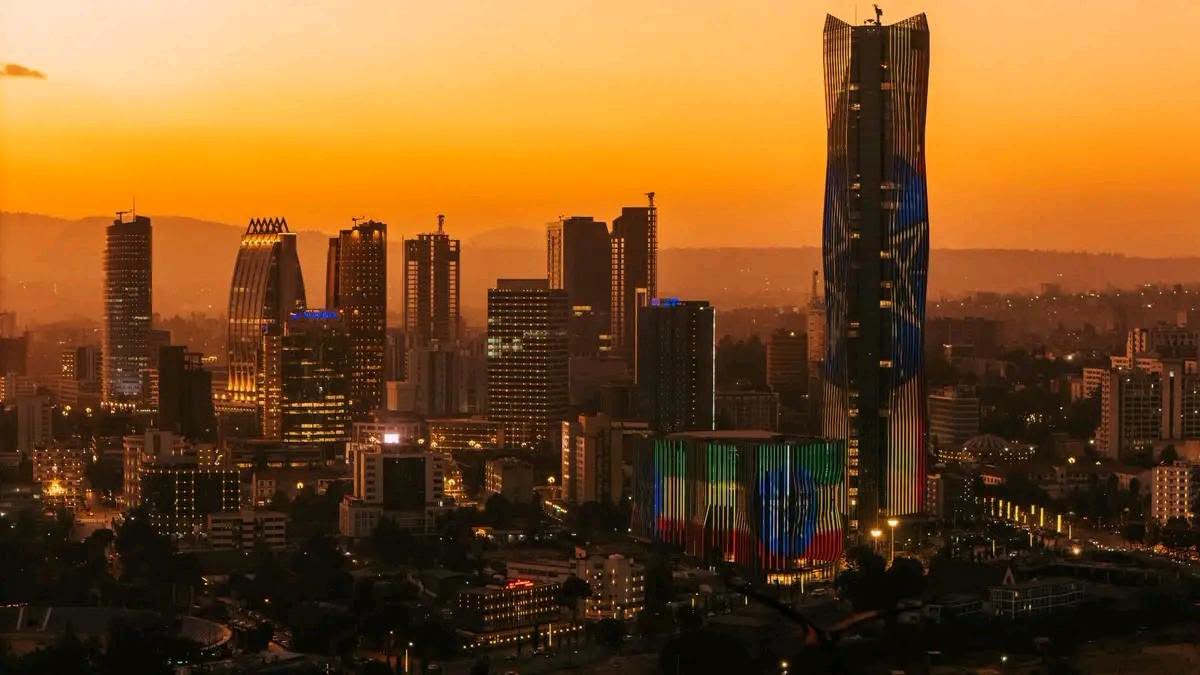
THE NEW DNA OF ADDIS ABABA
Addis Ababa, July 13, 2026 (FMC) — Cities are constantly being redefined by the way people move, interact, work, and live within them. Around the world, urban development is increasingly measured not only by infrastructure and architecture, but by how effectively cities create healthier, safer, greener, and more inclusive environments for their residents.
In this changing global urban landscape, Addis Ababa is entering a new phase of development, reshaping its spaces and services around a vision of a more livable and modern capital.
One of the most visible expressions of this shift is the city’s corridor development initiative, which has transformed major urban areas by introducing a more people-oriented approach to public spaces. Walking paths, bicycle routes, green areas, and improved facilities are changing the relationship between residents and their surroundings.
More than 100 kilometers of bicycle lanes have been developed, while extensive pedestrian pathways now provide residents with safer and more accessible ways to move through the city. More than 70 green parks and children’s playgrounds have also been created, offering new spaces for recreation, relaxation, and social interaction.
The modernization of public facilities has accompanied these changes. More than 120 modern public toilets have been constructed, while smart poles equipped with lighting systems and security cameras have been installed in different parts of the city, improving safety and supporting economic activities beyond traditional working hours.
Beyond reshaping its physical environment, Addis Ababa’s transformation is also focused on making urban life more manageable for its residents.
The city has introduced measures aimed at reducing the impact of rising living costs, including the establishment of modern markets connecting producers and consumers, the expansion of weekend markets, and the strengthening of consumer associations. These efforts are designed to improve access to essential goods and create more efficient supply chains.
Urban agriculture initiatives have also encouraged residents and institutions to engage in gardening, poultry production, and livestock activities, contributing to local food security. In addition, the city has supported communities through the provision of essential commodities, including wheat, oil, and sugar, at reduced prices.
Social programs have remained an important part of this broader urban agenda. Daily meal provision and educational material support for students have helped ease pressures on families, while assistance programs for vulnerable groups and elderly residents have continued to strengthen social protection efforts.
The city has also undertaken renovation and beautification initiatives targeting older residential areas inhabited by low-income communities, improving living conditions and promoting greater dignity for vulnerable residents.
At the same time, Addis Ababa is embracing a greener approach to urban growth. Previously polluted and flood-prone river areas are being restored into cleaner public spaces, creating recreational areas while improving the city’s environmental resilience.
This direction reflects a growing global recognition that the cities of the future must combine development with sustainability, protecting natural systems while meeting the needs of expanding urban populations.
Mobility has also become a key focus of the capital’s modernization efforts. Measures to reduce congestion, improve transportation services, and construct modern bus and taxi terminals are helping reshape movement across the city. The installation of electric vehicle charging stations further signals Addis Ababa’s commitment to cleaner and more sustainable urban transport.
The changes unfolding across the capital represent more than individual development projects. They reflect a broader effort to redefine what a modern African city can offer — a place where infrastructure, environmental responsibility, social inclusion, and everyday convenience come together.
The emerging identity of Addis Ababa is being shaped not only by new structures and redesigned spaces, but by a deeper ambition to create a city that works better for the people who live in it.
This is the new DNA of Addis Ababa: a capital moving toward a future where urban progress is measured by the experience, comfort, and dignity of its residents.