
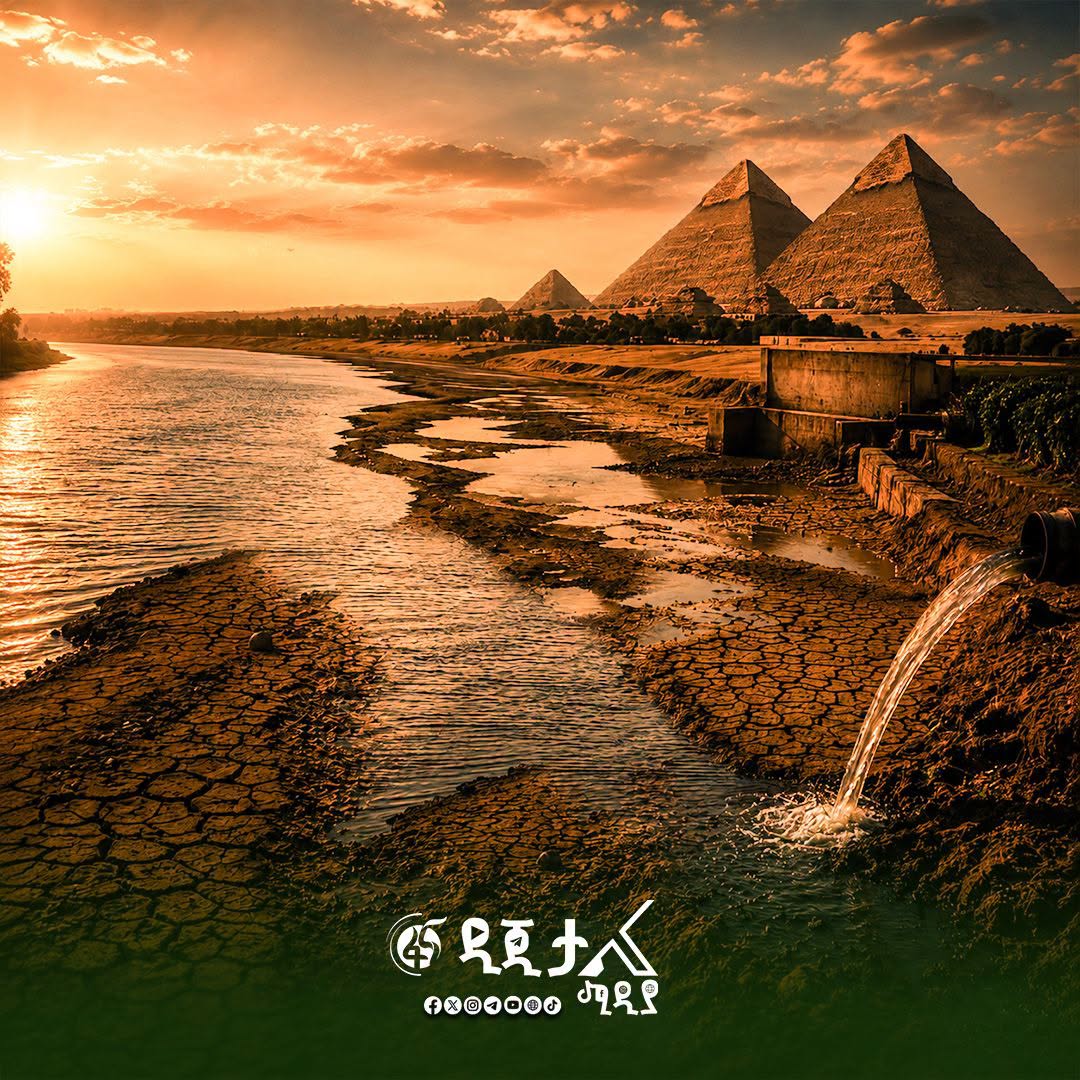
What If Ethiopia Told Egypt What to Do With the Suez Canal, Its Seas and Its Resources? Sovereignty Cannot Be Selective
Addis Ababa, August 5, 2026 (FMC) — What would happen if Ethiopia told Egypt how to manage the Suez Canal, how to develop its Mediterranean coastline, how to utilize its vast desert territories, how to expand its infrastructure, or how to preserve and develop its internationally renowned historical treasures?
Would Cairo accept such demands from a foreign country claiming authority over decisions that belong exclusively to Egypt?
The answer is obvious. Egypt, like any sovereign nation, would reject any attempt by another state to dictate how it manages its own territory, resources and development priorities.
Yet this very principle of sovereignty, which no country would accept being denied to itself, is increasingly being challenged when it comes to Ethiopia’s legitimate development aspirations.
Following repeated statements from Cairo opposing Ethiopia’s future development of water infrastructure within its own territory, a fundamental question emerges: how can one sovereign nation claim the authority to determine what another sovereign nation can or cannot do with resources located within its internationally recognized borders?
Ethiopia has never sought to utilize Egypt’s resources, interfere in its domestic affairs or determine how Cairo manages its national assets.
Ethiopia has never claimed the right to decide how Egypt operates the Suez Canal, develops its ports, expands its desert agriculture, manages its water systems or invests in its economy.
Yet Cairo’s continued attempts to restrict Ethiopia’s development choices represent a contradiction at the heart of the debate over sovereignty.
A principle cannot be considered absolute when applied to oneself and conditional when applied to others.
The issue is not only about the Grand Ethiopian Renaissance Dam. It is about a broader question concerning the future of relations among African nations: whether development rights will be determined by sovereign equality and cooperation or by outdated assumptions that some countries should retain privileged influence over the choices of others.
Modern international relations are founded on the principle that all states are equal in their sovereignty.
The Charter of the United Nations affirms the sovereign equality of nations and rejects the idea that one state has the right to impose its will on another state’s internal affairs.
International water law follows the same logic. Shared water resources require cooperation, equitable and reasonable utilization, and obligations to prevent significant harm.
They do not create a right for one country to permanently restrict another country’s development or claim exclusive authority over a transboundary resource.
Ethiopia’s position has consistently reflected these principles. The country has repeatedly stated that its development initiatives are based on responsible utilization of its own resources, while remaining committed to dialogue, cooperation and mutually beneficial agreements.
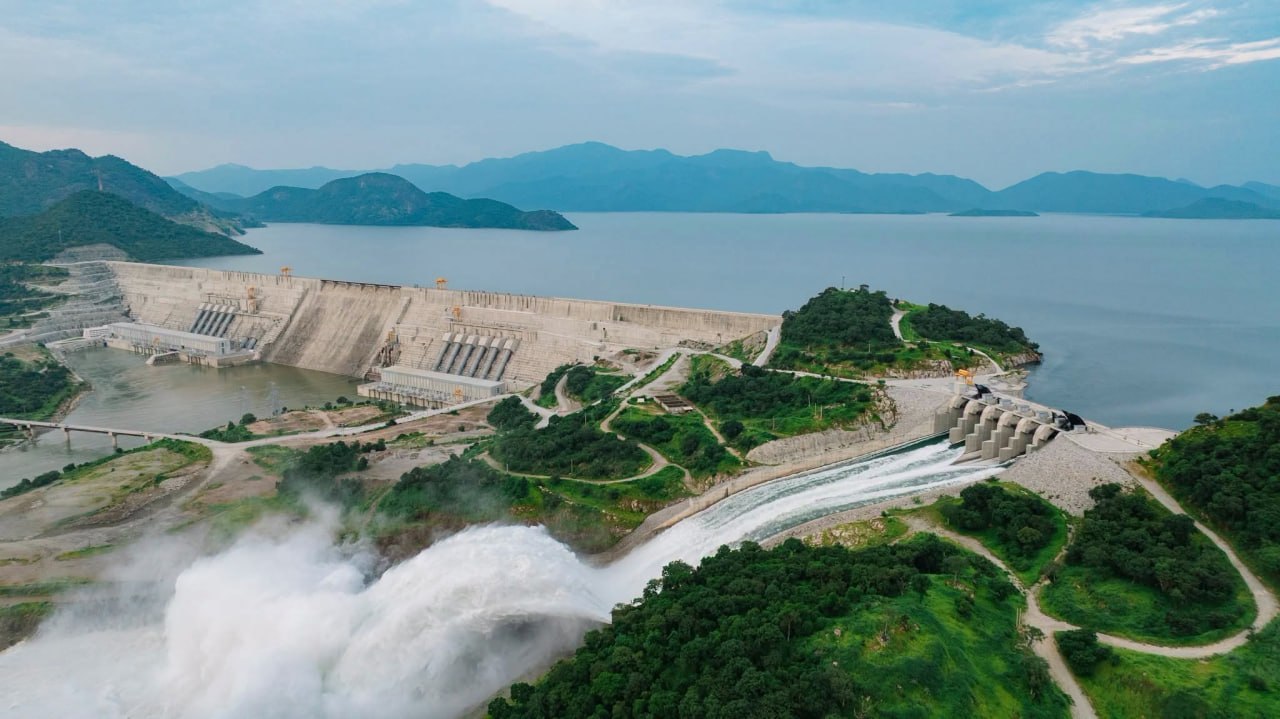
The Grand Ethiopian Renaissance Dam stands as a clear example of this approach. Built through Ethiopia’s own efforts and national contribution, GERD is primarily a hydropower project designed to expand electricity access, support economic transformation and strengthen regional energy cooperation.
It is not designed to consume the water of downstream countries.
In fact, the dam demonstrates how responsible infrastructure can contribute to regional resilience.
Through regulated water flows and improved management of seasonal variations, large-scale water infrastructure can support more predictable river systems and reduce vulnerabilities associated with extreme flooding and irregular flows.
Ethiopia has repeatedly made clear that its development will not come at the expense of downstream countries. Addis Ababa has maintained that the Nile should become a platform for cooperation rather than a source of permanent political confrontation.
However, Cairo’s continued efforts to place limits on Ethiopia’s future development projects raise a deeper concern: whether historical advantages are being defended at the expense of equitable development among Nile Basin countries.
For decades, Nile politics were shaped by arrangements created during a different historical era, including agreements that excluded many upstream countries from meaningful participation. Ethiopia’s position is that modern realities require modern approaches based on fairness, cooperation and shared benefit.
No country would accept being told that it cannot develop its own resources because another state objects to that development. Egypt would not accept another nation deciding the future of the Suez Canal, its maritime resources, its desert transformation projects or its national infrastructure. The same standard must apply to Ethiopia.
A sovereign Ethiopia does not need permission to develop resources located within Ethiopian territory. But Ethiopia has never confused sovereignty with isolation.
The country continues to advocate cooperation, dialogue and regional prosperity because it recognizes that the future of Africa depends on partnership rather than confrontation.
The Horn of Africa cannot move forward if the development aspirations of one nation are treated as a threat by another. Ethiopia’s vision is not based on denying others their rights; it is based on ensuring that Ethiopians also have the opportunity to benefit from their own resources.
The question is therefore not whether Ethiopia should be allowed to develop. The question is whether sovereignty will be respected equally for all nations.
If Egypt’s sovereignty over the Suez Canal, its seas, its deserts and its national resources is unquestionable, Ethiopia’s sovereignty over its own resources must be equally respected.
Sovereignty cannot be selective.