
IGAD Pushes Production, Food Safety and Regional Trade as Priorities Under Kampala Framework
694
Addis Ababa, August 19, 2026 (FMC) — IGAD member states have been urged to put agricultural production, food safety and regional trade at the center of efforts to transform the region’s agri-food systems under the Kampala Declaration and Strategy and Action Plan (2026–2035).
The call came as the two-day IGAD Regional Dialogue on the Comprehensive Africa Agriculture Development Programme (CAADP) Fifth Biennial Review concluded in Addis Ababa on Tuesday, following an assessment of the region’s agricultural performance under the Malabo Declaration and discussions on priorities for the next decade.
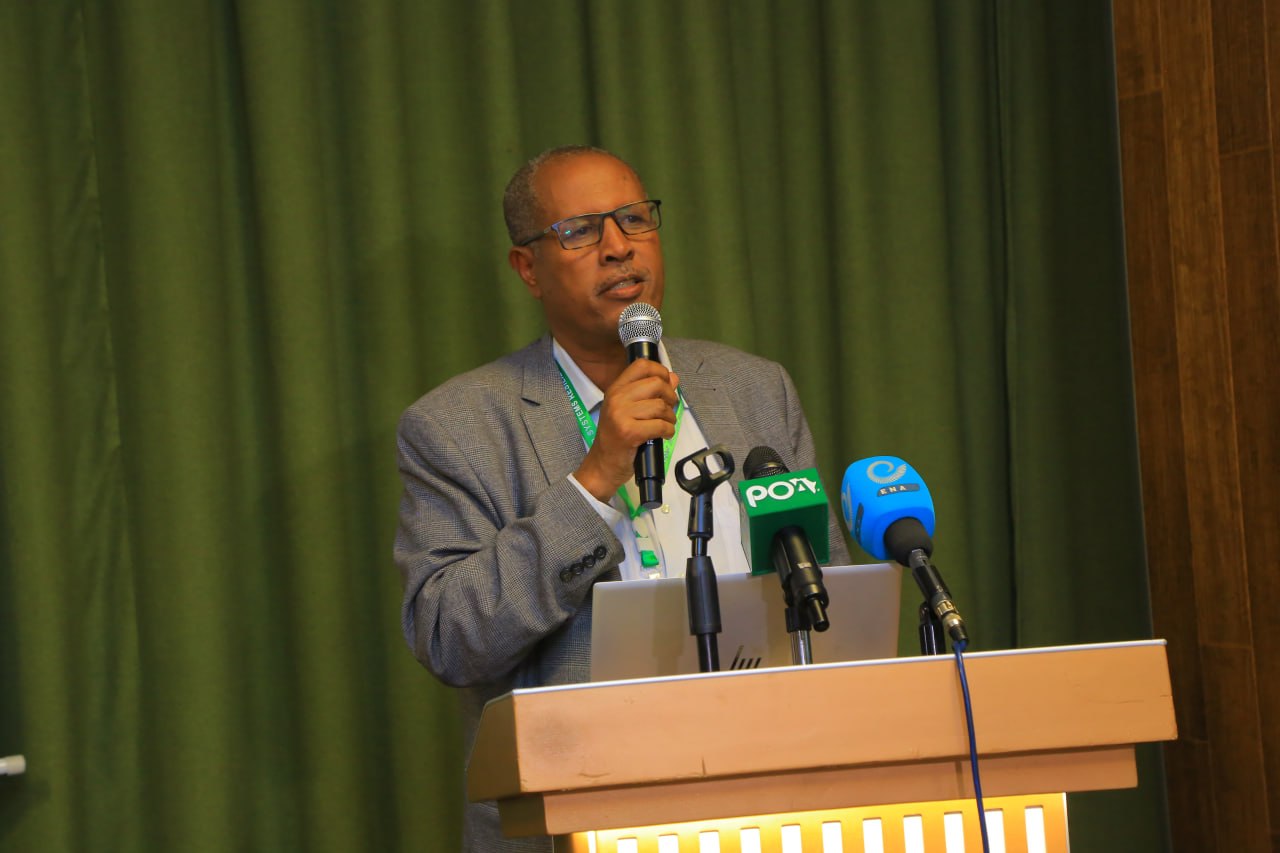
In his closing remarks, Zena Habtewold, Senior Advisor to Ethiopia’s Minister of Agriculture and National CAADP Focal Person, said the findings of the Fifth Biennial Review should now be translated into concrete national policies, investments and implementation measures.
He said Ethiopia is aligning its agricultural development efforts with the Kampala Declaration while advancing initiatives including irrigated wheat production, the Bounty of the Basket program and integrated agricultural value-chain investments.
Zena said Ethiopia is also preparing a new 10-year investment framework aligned with the Kampala Declaration, following the country’s experience implementing successive agricultural development and investment plans.
Moses Vilakati, Commissioner for Agriculture, Rural Development, Blue Economy and Sustainable Environment at the African Union Commission, said Africa’s agricultural transformation has been constrained less by a lack of policies than by weak implementation.
He urged countries to focus on measures that can raise production and productivity, including soil mapping, better-matched fertilizer use, conservation of productive seed varieties and stronger domestic fertilizer production capacity.
The Kampala Declaration and Strategy and Action Plan (2026–2035) seeks to increase agri-food output by 45 percent, triple intra-African trade in agri-food products and agricultural inputs, cut post-harvest losses by half and mobilize at least USD 100 billion in public and private investment.
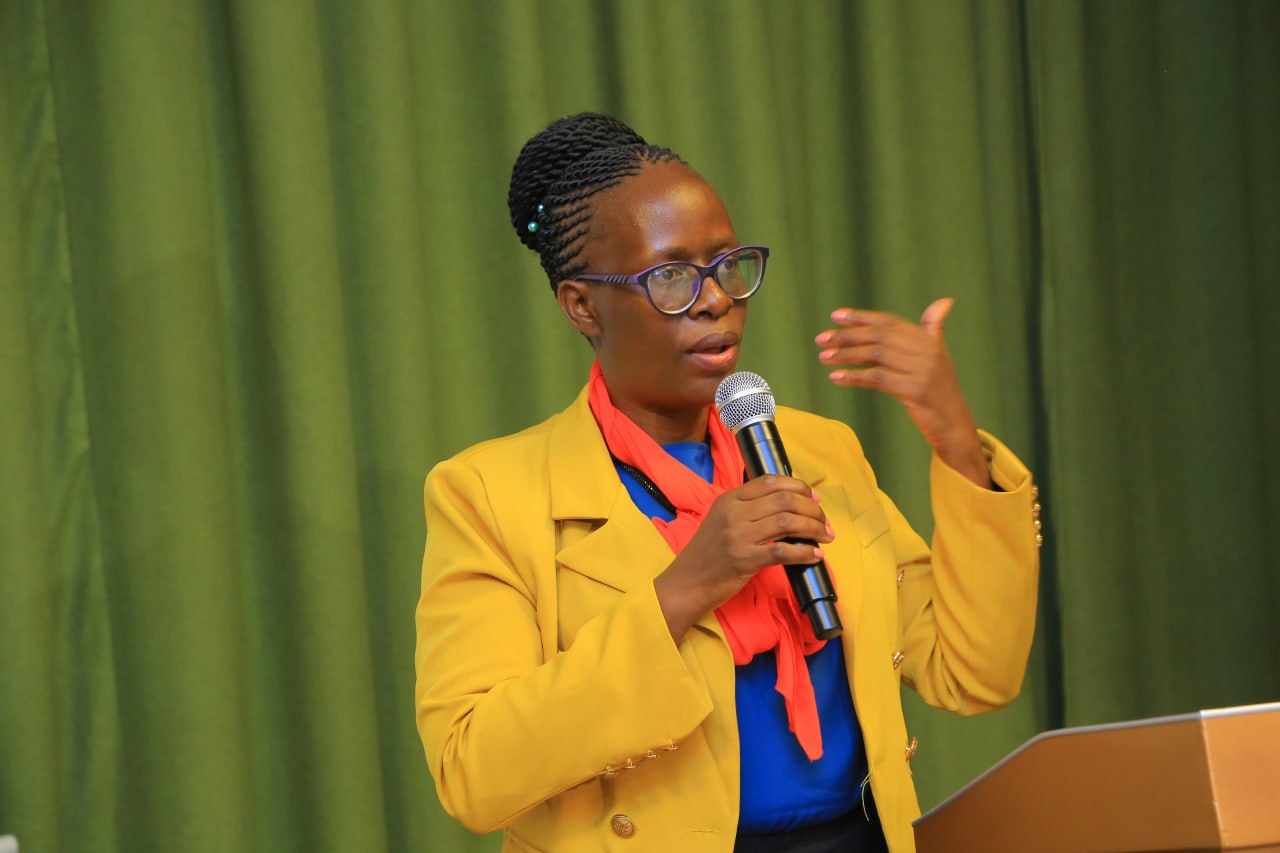
Dr. Sylvia Henga, representing IGAD’s Agriculture and Environment Division, said the transition to a broader agri-food systems approach should not come at the expense of agricultural production, which she described as the foundation for reducing hunger and poverty.
She called for greater investment in farmer training and continuous engagement to ensure that technologies for soil health, climate-smart agriculture and environmental protection are understood and adopted at community level.
Henga also drew attention to the substantial losses that occur after production, urging countries to strengthen storage, transport, food safety, agro-processing and value addition before seeking to expand agricultural trade.
She said countries producing food surpluses should be better connected to food-deficit markets within the IGAD region, pointing to opportunities to expand intra-regional trade through the African Continental Free Trade Area.
She also called for improved cross-border infrastructure and sanitary and phytosanitary systems to facilitate trade while ensuring that agricultural products reaching consumers meet appropriate safety and quality standards.
The Fifth Biennial Review, released in May 2026, marked the final assessment of the Malabo Declaration cycle covering 2015–2025. It found that the IGAD region remained off track to meet the comprehensive Malabo commitments, despite progress in some areas.
The region continues to face food insecurity, climate shocks, soil degradation, fragmented markets and financing constraints.
The dialogue concluded with participants emphasizing stronger accountability, better agricultural data, increased investment and closer regional cooperation to turn the lessons of the Malabo period into measurable gains under the Kampala framework.