
Historic National Dialogue Has Given Ethiopia New Space to Confront Its Deepest Differences — ENDC Deputy Commissioner
1,283
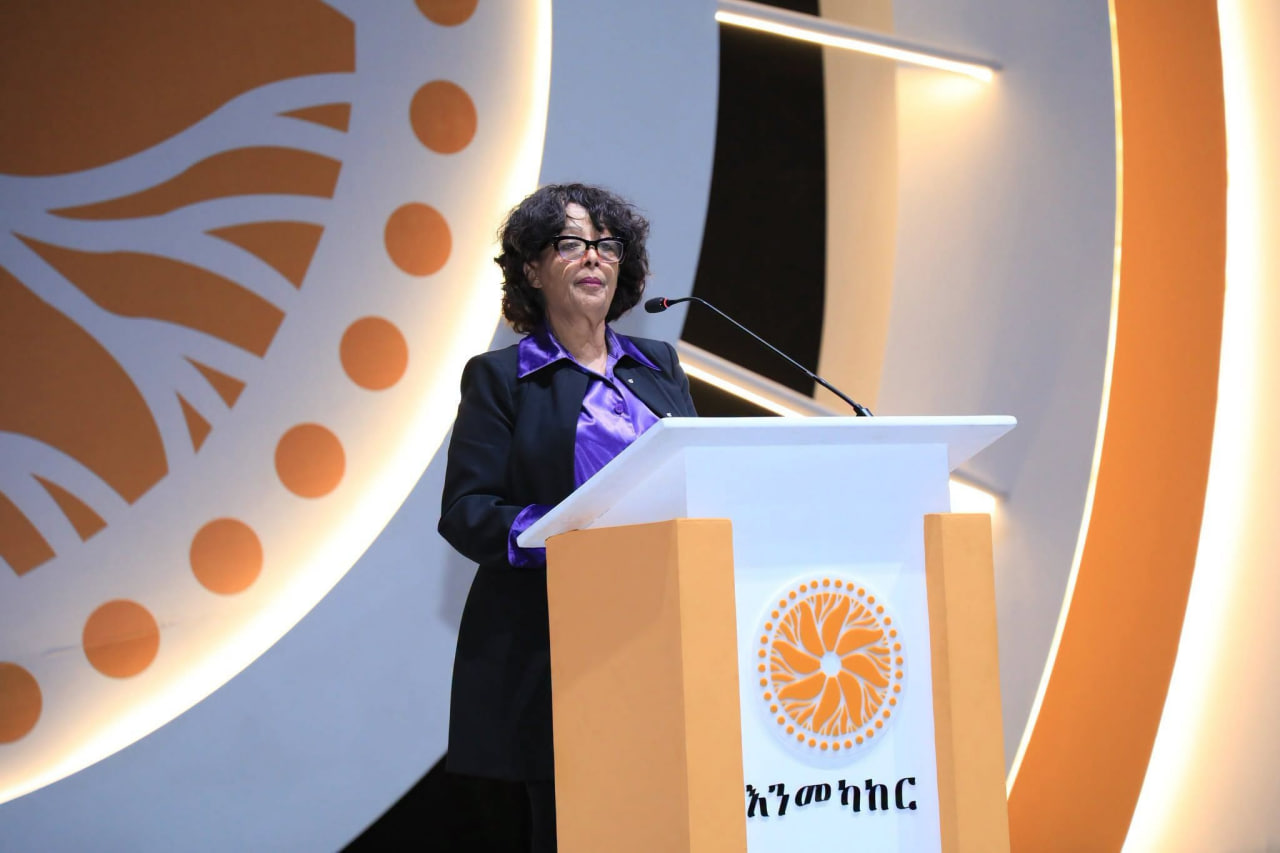
Addis Ababa, August 22, 2026 (FMC) — Ethiopia’s historic National Dialogue has created new space for the country to confront deep-seated grievances, political differences and historical fractures through consultation, Ethiopian National Dialogue Commission (ENDC) Deputy Chief Commissioner Hirut Gebre Selassie said.
Speaking at the closing ceremony of the National Dialogue Conference at the Addis Ababa International Convention Center today, Hirut said the process has opened a new chapter in Ethiopia’s political and social history, enabling differences to be addressed through civilized consultation rather than force.
“We have opened a new historical chapter that enables us to solve deep-rooted disagreements, historical fractures, and differences of opinion through civilized consultation rather than by force and guns,” she said.
The conference brought together 4,000 delegates representing diverse segments of Ethiopian society, including political parties, civil society organizations, government bodies, prominent personalities, former combatants and the diaspora.
Over the course of the conference, delegates engaged in extensive deliberations on eight major thematic agendas aimed at contributing to a stable and prosperous future for the country.
Hirut said the significance of the process extends beyond the recommendations produced, emphasizing that its deeper achievement lies in cultivating the ability to listen to differing views, maintain mutual respect and work toward shared solutions.
“The greatest achievement is not merely the compiled set of recommendations, but the fact that we have laid the foundation for a culture of resolving differences through dialogue,” she added.
The Commission expressed confidence that the recommendations emerging from the process will be implemented by the government and relevant stakeholders to help guide Ethiopia toward a peaceful and inclusive future.
The closing plenary brought to an end 40 days of continuous deliberations on key national issues, with the 4,000 delegates representing diverse societal sectors, political organizations, institutions, government bodies, prominent figures, former combatants and the diaspora.
The discussions addressed eight core agenda areas: nation-building; state structure, governance, and political and electoral systems; special administrative affairs concerning Addis Ababa and Dire Dawa; religious affairs, historical grievances and national reconciliation.
Delegates also deliberated on institutional building, the rule of law and human rights; socio-economic affairs, including issues affecting farmers and pastoralists; anti-corruption measures and good governance; as well as peacebuilding and national conflict resolution.