
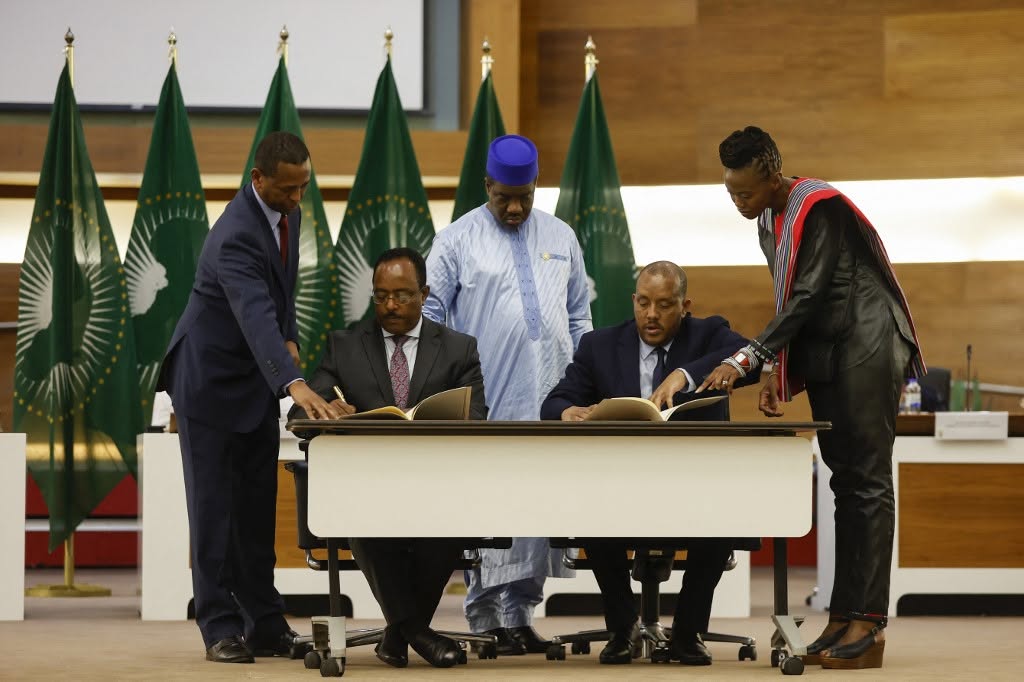
Federal Government Fulfilled Its Pretoria Peace Accord Obligations While TPLF Dismantled the Deal
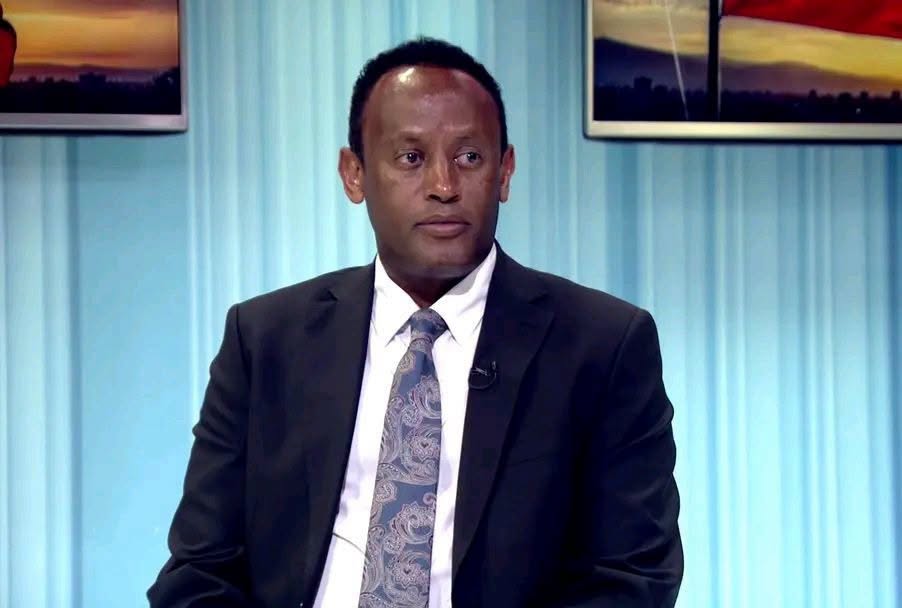
Addis Ababa, October 4, 2026 (FMC) — The Ethiopian Federal Government fulfilled the commitments it undertook under the Pretoria Peace Accord, while the banned TPLF group repeatedly acted against the agreement’s core obligations, Commissioner of the Ethiopian Nuclear Energy Commission Abraham Belay (PhD) said.
Speaking in an exclusive interview with Fana Media Corporation, Abraham said the Federal Government entered the Pretoria peace process with a clear strategic objective: to end the conflict, save lives, restore normal life in the Tigray region and create conditions for lasting peace and development.
He said the government subsequently carried out the responsibilities assigned to it under the accord, beginning with the cessation of hostilities and extending to the restoration of essential services and the allocation of substantial resources for the recovery of the region.
The Federal Government also worked to facilitate the return of internally displaced people and repeatedly sought cooperation with the relevant authorities and communities to enable those displaced by the conflict to return to their homes, Abraham said.
According to him, however, the banned TPLF group turned issues that should have been addressed through the peace process into instruments for advancing its political interests.
He said the group repeatedly engaged in actions that contradicted the spirit of the Pretoria Peace Accord, including provocative activities and efforts to preserve military structures instead of fully committing to the disarmament, demobilization and reintegration process envisaged by the agreement.
Abraham further alleged that resources intended for development and humanitarian purposes were diverted toward military objectives, while the issue of internally displaced people was deliberately kept alive as political leverage.
The accord, he said, was intended to move the country away from war and toward reconstruction, reconciliation and normal political life. Instead, the banned TPLF group allegedly sought to use the period created by the peace agreement as an opportunity to regroup and pursue a political agenda incompatible with lasting peace.
Abraham said the Federal Government nevertheless continued to exercise restraint because its objective was not to prolong confrontation but to preserve peace and protect the lives and interests of citizens.
He stressed that the government’s approach was demonstrated not merely through statements but through concrete measures taken after the signing of the accord, including restoring services, supporting recovery efforts and creating conditions for displaced citizens to return.
The Pretoria Peace Accord, concluded in November 2022 under the aegis of the African Union, was designed to silence the guns and establish a framework for the restoration of peace, security and stability in the Tigray region.
Abraham said the subsequent conduct of the banned TPLF group increasingly exposed the gap between its formal commitments under the accord and its actions on the ground.
He maintained that the Federal Government had completed the principal responsibilities entrusted to it, while the group’s failure to uphold its own commitments progressively undermined the peace framework.
He said the experience demonstrated that Ethiopia’s commitment to peace had never been based on weakness or a lack of alternatives, but on the conviction that dialogue and peaceful political solutions were in the country’s national interest.
For Abraham, the Pretoria process therefore remains evidence of the Federal Government’s willingness to choose peace even under difficult circumstances, while the actions of the banned TPLF group showed how the agreement was repeatedly placed under strain from within.