
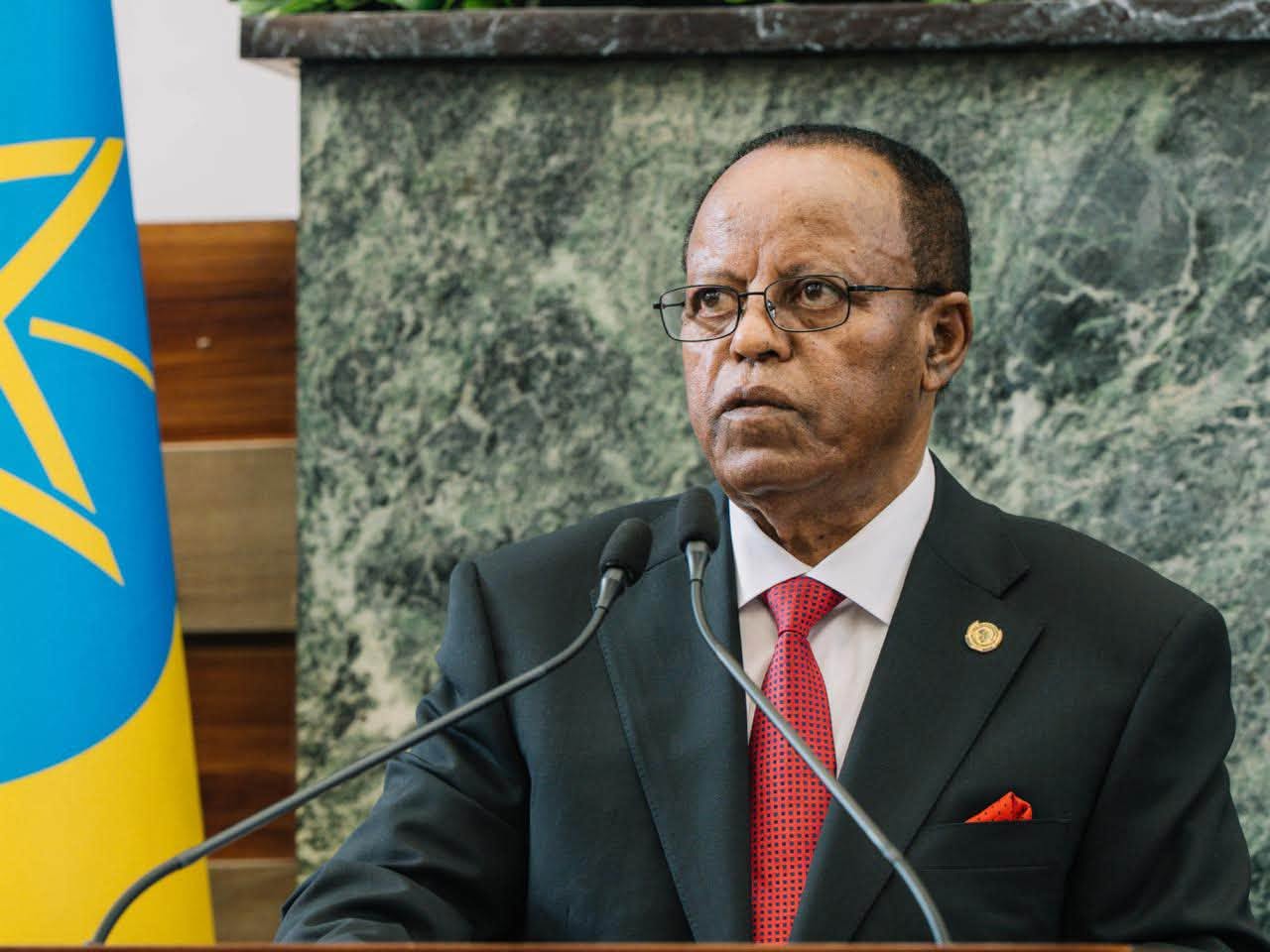
President Taye Outlines Eight Strategic Priorities to Drive Ethiopia’s Next Phase of Transformation
Addis Ababa, October 6, 2026 (FMC) — President Taye Atske-Selassie has outlined eight strategic priorities for Ethiopia’s new working year, calling for deeper structural transformation, stronger self-reliance, more effective implementation and a decisive shift toward peace, quality development and greater international influence.
Addressing the inaugural joint session of the House of Peoples’ Representatives and the House of Federation today, President Taye said the priorities should be grounded in a thorough assessment of the country’s performance, strengths and gaps over the preceding period, with national interests safeguarded while accelerating growth and prosperity.
He said the new working year requires new methods and structures of implementation, with those entrusted with public responsibilities expected to put the public interest first, maintain a clear vision for both the present and future, avoid wasting time and resources, and maximize the value generated from every undertaking.
The first priority, he said, is peace, with Ethiopia’s development and prosperity inseparable from lasting peace. He called for greater unity and cooperation and for actions to be guided by Ethiopia’s national interests.
The second priority is comprehensive structural transformation based on quality, while the third calls for a fundamental shift in the country’s education, health and social-protection sectors—from expanding coverage and access toward improving quality and accelerating citizen-centered development.
President Taye identified self-reliance in critical industrial and agricultural inputs as the fourth priority, stressing the need to build domestic capacity in areas essential to economic growth and the construction of modern infrastructure.
The fifth priority focuses on modernizing, accelerating and streamlining project and project-finance implementation, while strengthening accountability to ensure that development resources translate into tangible results.
The sixth priority calls for modernizing the tax base, prudent debt management and stronger control of government revenue and expenditure, as part of efforts to reinforce Ethiopia’s fiscal capacity and economic sovereignty.
The seventh priority is to establish unified, mutually supportive and seamless federal-regional coordination and implementation, ensuring that government structures work together more efficiently in delivering national objectives.
The eighth priority concerns Ethiopia’s foreign relations, with President Taye calling for a shift from international acceptance toward greater influence.
He said Ethiopia should expand its circle of friends and partners, encourage those that share this outlook, and give priority to regional peace and economic integration while further strengthening the country’s international acceptance and standing.
President Taye said the eight priorities should be pursued through disciplined, knowledge-based and results-oriented implementation, with national institutions and citizens mobilized around a shared vision of prosperity.
He emphasized that Ethiopia’s ability to overcome complex challenges depends on identifying risks early, developing effective solutions and turning successful experiences into broader national capabilities.
The President also stressed that the country’s development path must be anchored in national unity and broad public participation, saying the government’s work should continuously translate into improvements in citizens’ living standards.
The priorities outlined by President Taye form a forward-looking framework for the new parliamentary year, linking peace, institutional transformation, human development, productive capacity, fiscal management, coordinated governance and international engagement within a single national development agenda.