
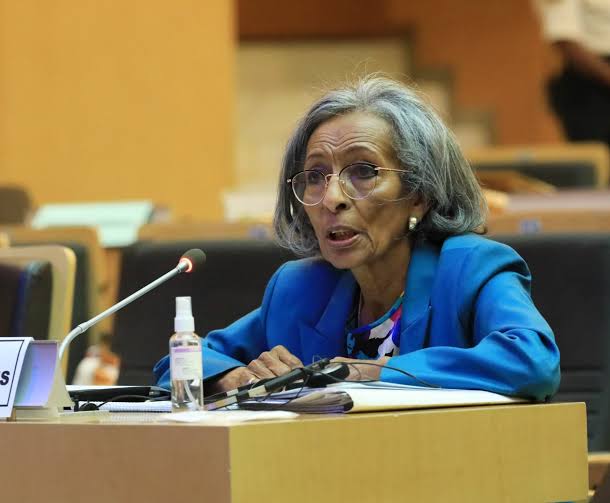
Ethiopia’s Pioneering Women Diplomats: Breaking Barriers and Shaping the Nation’s Global Voice
Addis Ababa, October 14, 2026 (FMC) — As Ethiopia marks Ethiopian Diplomatic Day, the careers of pioneering women diplomats offer an important perspective on the evolution of the country’s foreign service and its representation on the international stage.
From breaking barriers in ambassadorial appointments to taking on landmark responsibilities in continental and global institutions, these women helped expand Ethiopia’s diplomatic horizons and challenge longstanding gender barriers in international affairs.
Their experiences reflect a broader history of professional perseverance, institutional change and the growing role of women in advancing Ethiopia’s relations with the world.
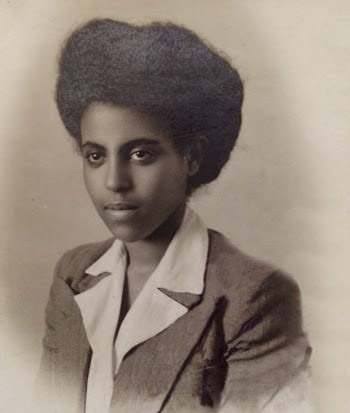
Yodit Imru: Opening the Door to Women’s Ambassadorial Representation
Yodit Imru occupies a landmark place in Ethiopia’s diplomatic history as the country’s first female ambassador. Her achievement challenged the prevailing assumption that the highest levels of diplomatic representation were a preserve of men and established an important precedent for women entering the foreign service.
Her pioneering role was significant in a profession where ambassadorial appointments carry responsibility for representing national interests, conducting bilateral relations and engaging with foreign governments.
By reaching that level of representation, Yodit demonstrated that Ethiopian women could serve as the country’s official representatives abroad and contribute to shaping its international relationships.
Her place in diplomatic history is also connected to the broader changes that followed. The path she opened became part of a gradual expansion of women’s participation in Ethiopia’s foreign service and international representation.
Konjit Sinegiorgis: A Trailblazer Across Five Decades of Diplomacy
If Yodit Imru broke an important barrier, Ambassador Konjit Sinegiorgis demonstrated how women could build enduring careers in diplomatic service. Joining Ethiopia’s foreign service in the early 1960s, Konjit served for more than five decades, becoming one of the country’s most experienced diplomats.
Her entry into public service came amid resistance to women pursuing diplomatic careers. After studying international relations at University College London, she returned to Ethiopia determined to enter the profession.
Despite opposition rooted in the belief that diplomacy was unsuitable work for women, she persisted in pursuing a career in the foreign service.
Konjit went on to represent Ethiopia in several countries, including Canada, Egypt, Israel and Austria, with additional accreditation to Mexico. She also served in Ethiopian missions in New York, Vienna and Geneva, gaining extensive experience in bilateral and multilateral diplomacy.
Her work extended beyond representing Ethiopia in foreign capitals. At the United Nations, she dealt with decolonization affairs during a formative period in Africa’s struggle for independence. Her career also spanned the establishment of the Organization of African Unity in Addis Ababa in 1963 and its subsequent transformation into the African Union.
Later, as Ethiopia’s Permanent Representative to the African Union and the United Nations Economic Commission for Africa, Konjit continued to contribute to the country’s engagement with continental institutions.
She also served as a special adviser during the Intergovernmental Authority on Development-led South Sudan peace process from 2009 to 2011.
Konjit’s significance lies not simply in the length of her service or the range of her assignments. Her career demonstrated how a woman who encountered resistance at the beginning of her professional journey could advance through the ranks and assume substantial responsibilities in international affairs.
Her professional experience became an important reference point in the history of women’s participation in Ethiopian diplomacy.
Konjit passed away on April 7, 2026. Her career remains a significant chapter in Ethiopia’s diplomatic history, particularly in the development of women’s participation in foreign service and Africa’s multilateral institutions.
A Legacy of Barriers Broken
The careers of Yodit Imru and Konjit Sinegiorgis mark distinct but connected chapters in the evolution of Ethiopian women’s diplomacy. Yodit established a precedent in ambassadorial representation, while Konjit built a career that demonstrated the possibilities of sustained professional advancement despite gender-based resistance.
Their careers are more than accounts of individual achievement. They form part of a wider institutional history in which women gradually expanded their presence in the foreign service and international organizations.
Their paths differed, but both contributed to changing expectations about women’s roles in representing Ethiopia and engaging with the international community.
Their experiences also show that diplomatic pioneering is not defined only by being the first to hold a title. It can also involve overcoming entrenched barriers, establishing professional precedents and reaching positions that broaden opportunities for those who follow.
As Ethiopia marks Diplomatic Day, the stories of these two trailblazers provide an opportunity to examine how the country’s diplomatic service has evolved and how women have helped shape its international engagement.
Their contributions form part of the wider history of Ethiopia’s global voice and the changing place of women in diplomacy.