
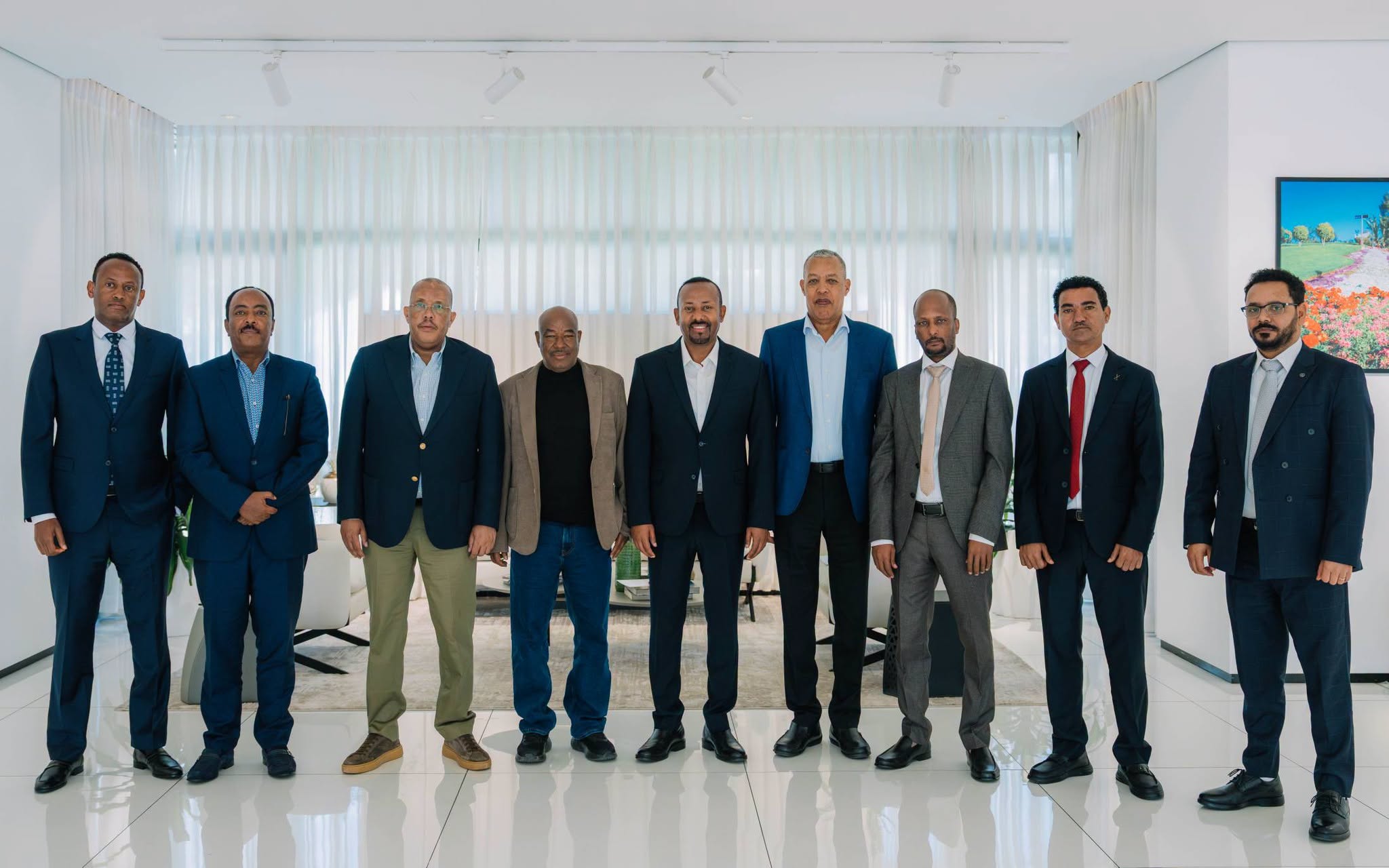
Federal Government Establishes Six-Month Caretaker Administration for Tigray Region
Addis Ababa, October 16, 2026 (FMC) — The Federal Government of Ethiopia has established a caretaker administration to govern the Tigray Region for six months, with responsibilities including restoring peace and security, rebuilding public institutions and infrastructure, resuming essential services, and preparing the region for free and transparent elections.
According to a statement from the Office of the Prime Minister, the decision follows a resolution by the House of Federation, pursuant to Article 62(9) of the Constitution of the Federal Democratic Republic of Ethiopia and Article 14(2)(b) of Proclamation No. 359/1995, authorizing the Council of Ministers to establish an interim administration for the region.
The statement said repeated efforts to resolve the conflict through the Pretoria Agreement had failed because of obstruction by the Tigray People’s Liberation Front (TPLF). It stated that the TPLF leadership, unwilling to pursue peace, had launched a destructive war for the fourth time, which ended in another defeat for the group.
The statement emphasized that the people of Tigray Region must move beyond the recurring cycle of conflict, secure lasting peace and exercise their right to self-government, while gaining access to development benefits they have been deprived of for many years.
It said the region should secure its proper place within Ethiopia’s federal system, preserve peace, focus on development and live in solidarity with the country’s other peoples.
The caretaker administration has been established through a Council of Ministers regulation to advance these objectives within a six-month period.
Its mandate covers the restoration of peace and stability, the re-establishment of collapsed government structures so residents can receive regular public services, and the rapid repair and rehabilitation of infrastructure damaged by war.
The statement said these efforts should also extend the country’s development gains to the region.
Its responsibilities also include facilitating the return of displaced people to their places of origin and resuming social services interrupted across the region.
The administration is tasked with creating stable political conditions and conducting free and transparent elections within six months, enabling the Tigray Region to become a regular constituent part of Ethiopia’s federal system.
It is also expected to coordinate with federal defence, police and security institutions, alongside the region’s security forces, to restore stability from the regional level down to the kebele level.
The statement further assigned the administration responsibility for facilitating the surrender of weapons by armed groups, their return to civilian life and their rehabilitation, as well as restructuring the regional security apparatus in coordination with the relevant institutions.
Other duties include consolidating peace, restoring public confidence and morale, and preparing residents to participate in development and reconstruction.
The administration is also to coordinate media activities, organize public forums at various levels, and undertake measures to ensure that the next elections are peaceful and inclusive.
The statement stipulated that all activities of the caretaker administration must prioritize Ethiopia’s national interests and territorial integrity, alongside the fundamental interests of the people of Tigray Region.
Until an elected government takes office, the administration must limit its activities to routine governance and the delivery of public services, while creating the necessary conditions for elections, and must not pursue matters with long-term strategic implications.
It will operate under the direction and guidance of the Federal Government.
The federal government appointed;
1. Asefa Abraha Hagos – Chief Executive for Administration and Public Services;
2. Tewodros Aregay Wolde-Selassie – Chief Executive for Economy and Reconstruction;
3. Brigadier General Gebre-Egziabher Beyene Hailu – Chief Executive for Security and Peace;
4. Redai Halefom Wolde-Selassie – Chief Executive for Political Affairs and Public Organization; and
5. Shishay Amare – Mayor of Mekelle City
The appointees will carry out their responsibilities under the Federal Government’s direction, guidance, support and supervision.