
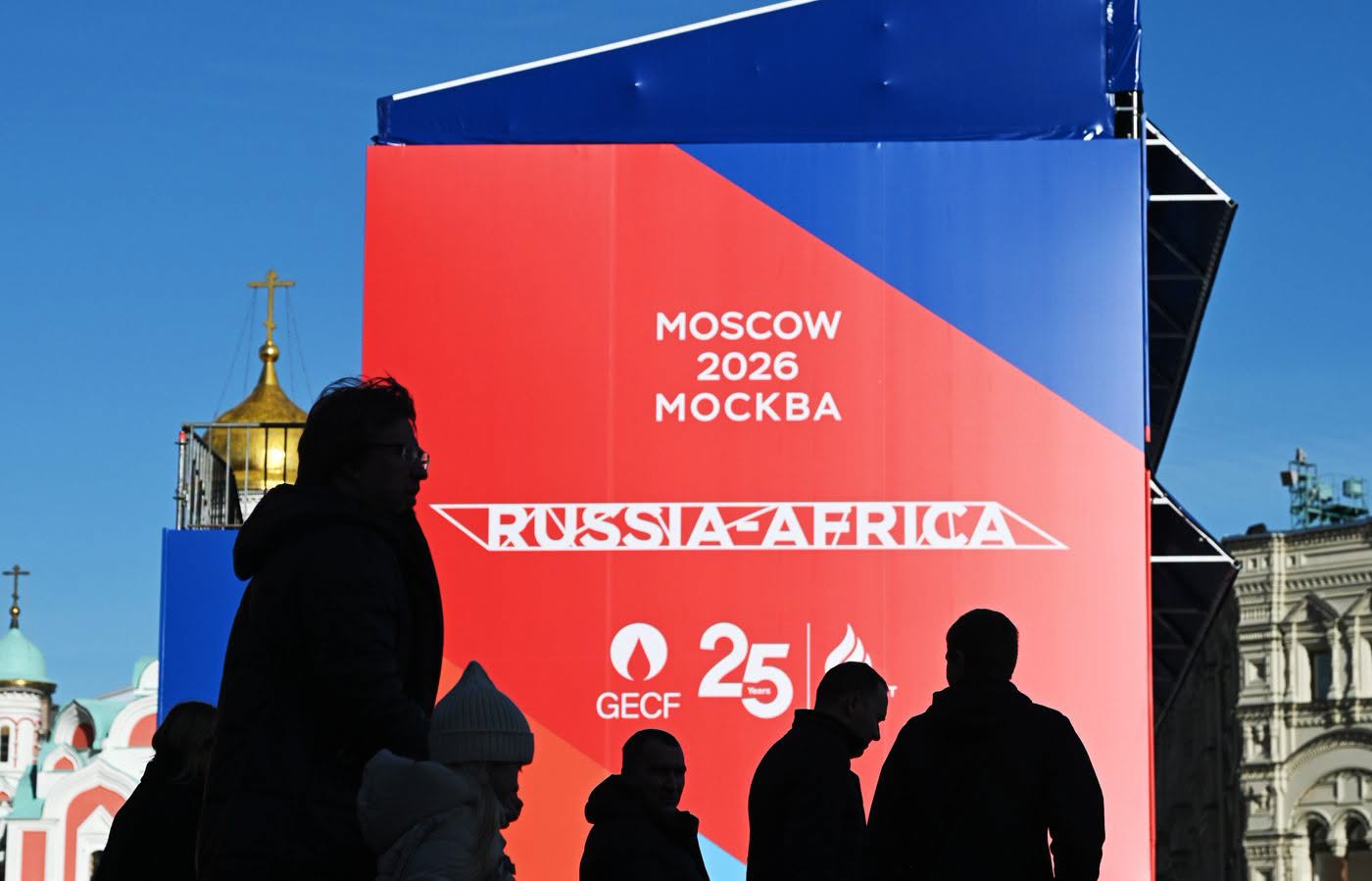
Russia–Africa Summit to Set New Cooperation Priorities as 48 African Countries Confirm Participation
Addis Ababa, October 27, 2026 (FMC) — The Third Russia–Africa Summit is set to open in Moscow on Wednesday, bringing together representatives of 48 African countries and Russia for high-level discussions on political relations, economic cooperation, security and the future direction of their partnership.
The two-day summit, scheduled for October 28–29, will be co-chaired by Russian President Vladimir Putin and Burundi’s President Évariste Ndayishimiye, Chairperson of the African Union.
According to Kremlin foreign policy aide Yury Ushakov, 22 of the participating African countries will be represented by their heads of state, reflecting an increase from the 17 leaders who attended the previous summit in 2023.
The gathering is expected to address the evolving international order and Africa’s growing role in global affairs, alongside practical measures to expand cooperation between Russia and African countries.
Its agenda encompasses trade, investment, energy, infrastructure, agriculture, food security, science, technology, education and humanitarian cooperation.
The summit follows the first Russia–Africa Summit, held in Sochi in 2019, and the second, convened in St. Petersburg in 2023.
The meetings have served as platforms for strengthening political dialogue and establishing frameworks for sustained cooperation between Russia and African states.
A central component of this year’s gathering will be the Russia–Africa Economic and Humanitarian Forum, which will run alongside the summit.
The forum is designed to bring together government officials, business leaders, financial institutions and experts to identify practical opportunities for cooperation in trade, investment, industrial development, digitalization, healthcare, education and technological innovation.
The summit is also expected to advance a new Russia–Africa Partnership Forum action plan for 2027–2029, establishing priorities for the next phase of cooperation.
According to Russian officials, the intended outcomes include a final declaration, a declaration on cooperation in artificial intelligence and the new action plan, alongside bilateral agreements covering a range of sectors.
Leaders of major African regional and continental institutions have also been invited, including the African Union, the African Continental Free Trade Area, the East African Community, the Intergovernmental Authority on Development, the Common Market for Eastern and Southern Africa, the Southern African Development Community, the Economic Community of West African States and the African Export-Import Bank.
The Moscow summit comes as African countries seek to expand economic partnerships, strengthen productive capacity and secure a greater role in shaping international decisions affecting the continent.
Its outcomes will help indicate how Russia and African states intend to translate political engagement into sustained economic, technological and institutional cooperation.
By Mesafint Brlie