
Egypt Benefits from Sudanese People’s Suffering amid Ongoing Conflict: Minister
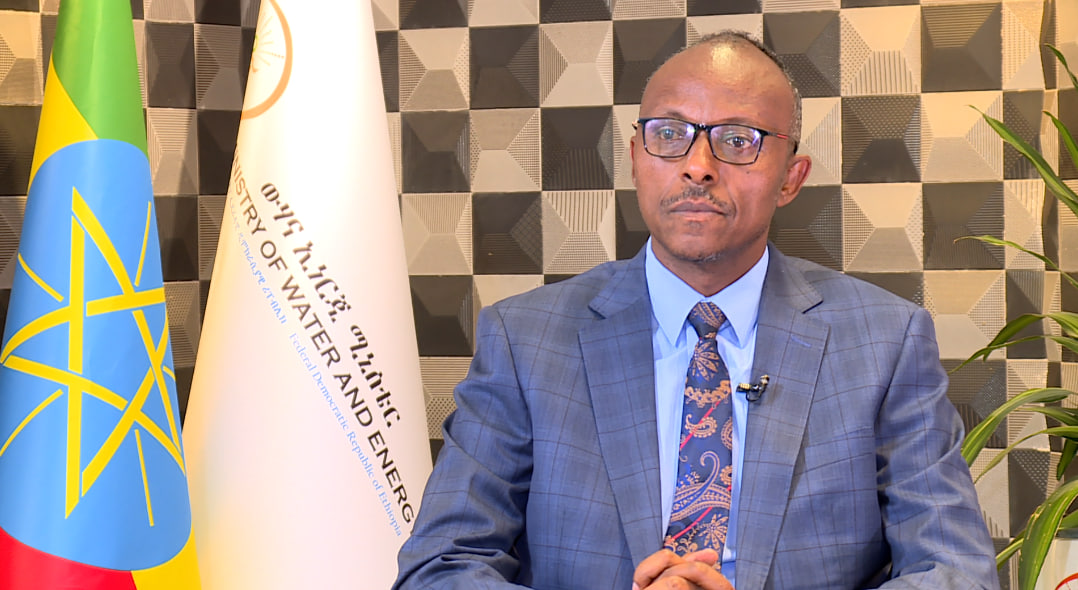
Addis Ababa, November 5, 2026 (FMC) – Egypt is benefiting from the suffering of the Sudanese people amid the ongoing conflict, while Sudan is being deprived of opportunities to harness water resources flowing from Ethiopia for agricultural and economic development, Minister of Water and Energy Engineer Habtamu Itefa said.
In an exclusive interview with Fana Media Corporation, the Minister said Sudan could have substantially expanded its irrigated agriculture by using the regulated water flows from the Grand Ethiopian Renaissance Dam (GERD), but the ongoing conflict has prevented it from realizing those benefits.
He said Sudan had been receiving four to five times more water during the summer since the construction of the Renaissance Dam, creating opportunities for farmers to expand irrigation without incurring significant additional costs.
Instead, the conflict has prevented Sudanese farmers from developing irrigation schemes along the Abbay and Nile rivers and making productive use of water that could support their livelihoods and national economy, he said.
The Minister said water flowing from Ethiopia that could contribute to Sudan’s development is passing through the country without being fully utilized, as instability prevents Sudan from planning and pursuing development.
“Sudanese brothers are suffering, while the Egyptians are happy with this situation,” he said, arguing that Egypt continues to receive and use the water while Sudanese people are denied the opportunity to benefit from it.
He said Egypt’s interests are served when Sudan remains unstable and unable to harness the opportunities created by Ethiopia’s water infrastructure, rather than pursuing agricultural development and regional cooperation.
The Minister also challenged Egypt’s repeated complaints about water shortages, saying it should improve the efficiency of its own water use instead of blaming upstream countries.
He pointed to Egypt’s extensive cultivation of sugarcane and rice, which consume large quantities of water, and said the country should modernize its agricultural practices and use available water more efficiently.
Turning to Ethiopia–Sudan relations, Engineer Habtamu emphasized the deep historical, cultural, social and economic ties between the two peoples, saying their shared interests should bring them closer rather than allow political developments to drive them apart.
He recalled Ethiopia’s efforts to bring Sudanese political factions together following the political transition in Sudan, saying the initiative was motivated by solidarity with the Sudanese people and a desire to prevent further suffering.
He also cited Ethiopia’s electricity supply to Sudan at a very low tariff, explaining that the supply was interrupted following the outbreak of conflict because of the problems created by the fighting, not because Ethiopia intended to punish the Sudanese people.
The Minister further recalled an information-sharing arrangement between Ethiopia and Sudan, signed by Sudan’s current leadership, to strengthen cooperation on shared water resources. He said Sudan had since moved away from the arrangement amid its political crisis.
He stressed that the Sudanese people’s longstanding relationship with Ethiopia should not be defined by temporary political decisions, maintaining that cooperation between the neighboring countries serves their shared interests.
The Minister said Ethiopia’s development and the benefits generated by the GERD should provide opportunities for Sudan and the wider region, adding that regional stability and cooperation are essential to ensuring that shared water resources contribute to the prosperity of their peoples.