
PM Abiy Proposes Two Commitments to Anchor Addis Ababa Declaration on Africa’s Political Governance
Addis Ababa, November 6, 2026 (FMC) – Ethiopian Prime Minister Abiy Ahmed has identified effective leadership succession and continuity of national development priorities beyond electoral cycles as key to overcoming political challenges and sustaining Africa’s development momentum.
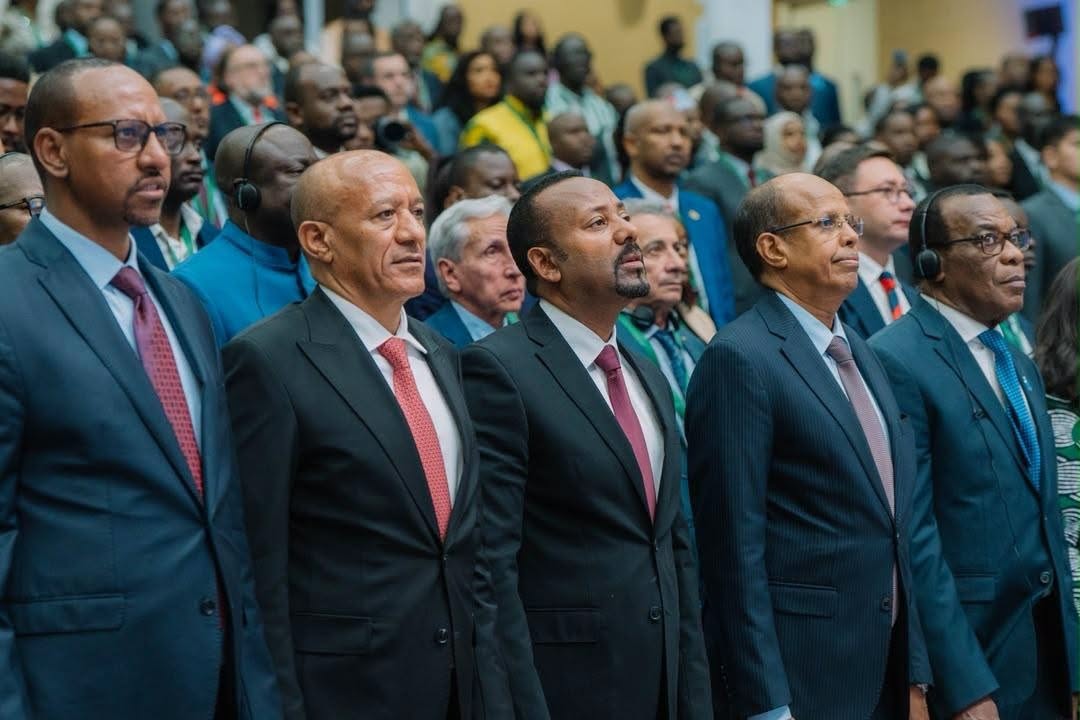
Addressing the Second African Political Parties Summit in Addis Ababa, the Prime Minister proposed two commitments for inclusion in the Addis Ababa Declaration, emphasizing the responsibility of political parties to safeguard long-term national interests while preparing the next generation of leaders.
On development continuity, he proposed that governing and opposition parties agree on a limited number of long-term national priorities, supported by clear milestones against which the public can assess progress.
He stressed that although political parties may have different policies and compete for public support, essential national development efforts should not be abandoned whenever governments change.
Under this approach, opposition parties would support agreed national goals while scrutinizing implementation plans, costs, feasibility and delivery. Governments, in turn, would be expected to respond to such scrutiny and use it to improve results.
The second proposed commitment focuses on leadership succession, which Abiy identified as essential to preventing countries from losing development momentum when capable leaders fail to prepare those who will follow them.
He called for political parties to give younger members greater responsibilities and promote those who demonstrate sound judgment and integrity, ensuring that leadership renewal becomes an integral part of political and institutional development.
As part of Ethiopia’s contribution to this effort, he said the African Leadership Excellence Academy would open its training programmes to political parties across the continent.
The two proposals place responsibility on African political parties not only to compete for political power but also to build institutions capable of sustaining national priorities and developing future leaders.
Abiy also proposed that participants report, at their next meeting, one concrete change they had made as a result of lessons learned through the summit.