
ICAO Member States Reach Broad Agreement on Reforms to Reshape Global Aviation’s Economic and Regulatory Framework
Addis Ababa, November 20, 2026 (FMC) – Member States of the International Civil Aviation Organization (ICAO) have reached broad agreement on reforms to modernize global aviation’s economic, regulatory and digital frameworks, with a focus on emerging technologies, cleaner energy and the future of international air transport.
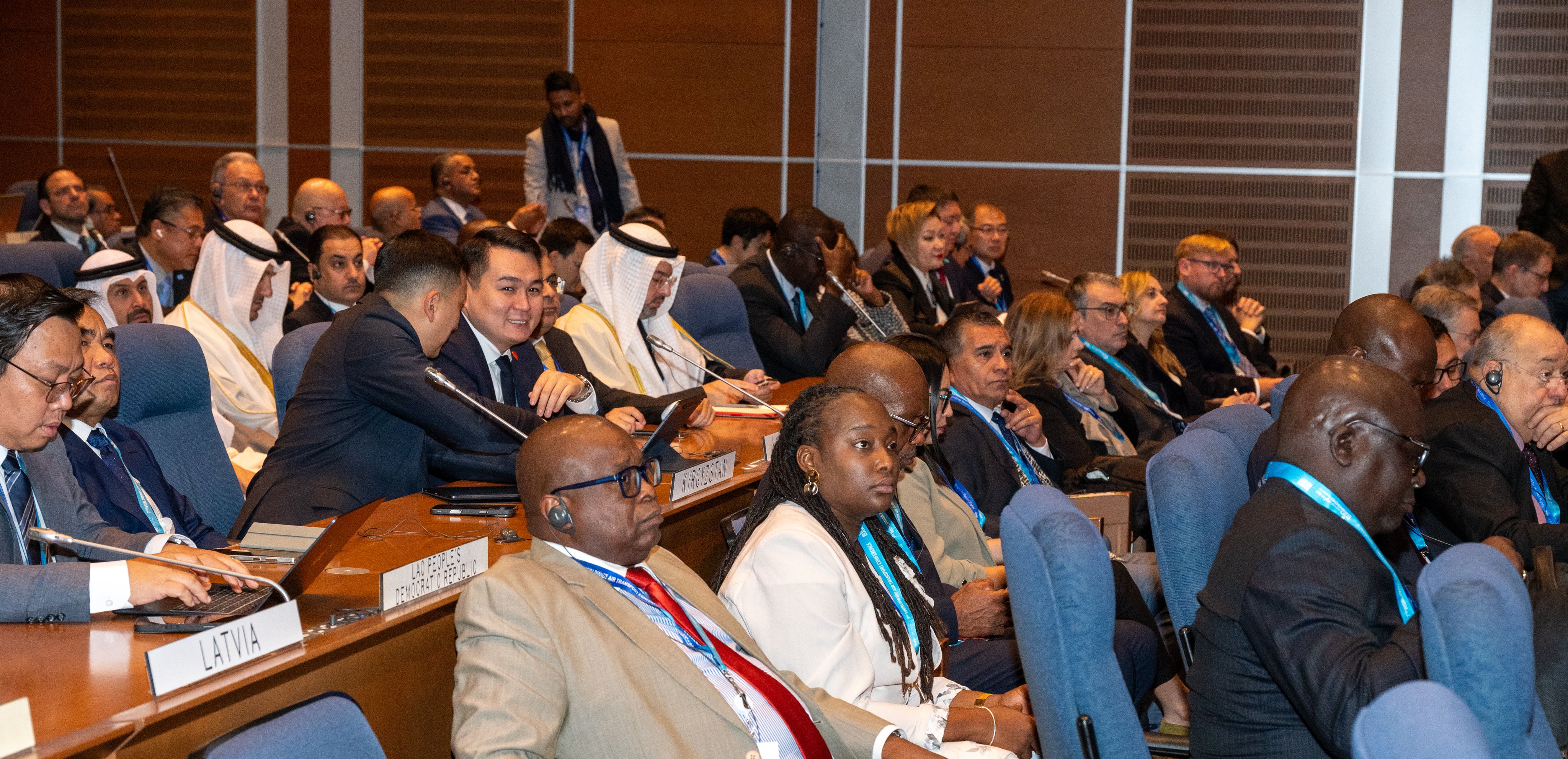
The consensus emerged on the fourth day of ICAO’s 7th Worldwide Air Transport Conference in Montréal, Canada, where delegates discussed how regulatory systems could keep pace with technological change while ensuring the safety, efficiency and resilience of the aviation sector.
Participants emphasized the need for harmonized, risk-based and proportionate regulations to facilitate the adoption of artificial intelligence, automation, sustainable aviation fuels and advanced air mobility technologies. They also identified regulatory sandboxes and demonstration corridors as practical ways to test innovations before introducing binding standards.
Digital transformation was another key priority, with delegates highlighting the importance of interoperable data systems, modern air traffic management, common digital standards and stronger cybersecurity. They also stressed the need to ensure that developing countries and smaller operators can participate in the digital transition.
On environmental sustainability, member states underscored the importance of expanding access to sustainable aviation fuels and alternative energy solutions through increased investment, stronger supply chains and harmonized certification standards. They also called for international support and capacity building to help developing countries participate in the transition.
The discussions further emphasized cooperation between governments and industry, with ICAO’s role in promoting global standards, providing technical guidance and supporting member states identified as essential to implementing the proposed reforms.
The broad agreement reflects member states’ shared recognition that global aviation’s regulatory and economic frameworks must evolve to accommodate technological innovation, strengthen connectivity and address environmental challenges.