
“Sudan’s Peace Is Our Peace”: PM Abiy Says Ethiopia Will Spare No Effort to Support Peace in Sudan, Calls on Warring Parties to Give Peace a Chance
Addis Ababa, November 27, 2026 (FMC) – Prime Minister Abiy Ahmed has reaffirmed Ethiopia’s readiness to make every possible contribution to restoring peace in Sudan, stressing that the neighbouring country’s stability is directly connected to Ethiopia’s own peace and security.
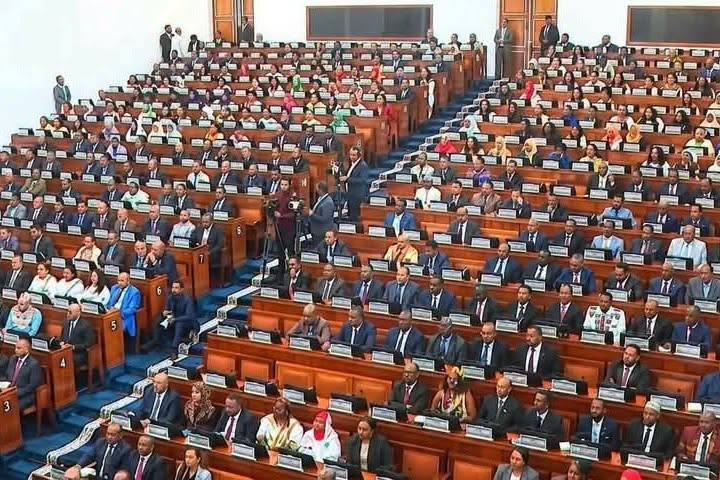
In his address to the House of Peoples’ Representatives on Thursday, November 26, the Prime Minister underscored the close ties between the two countries and described the Sudanese people as brothers.
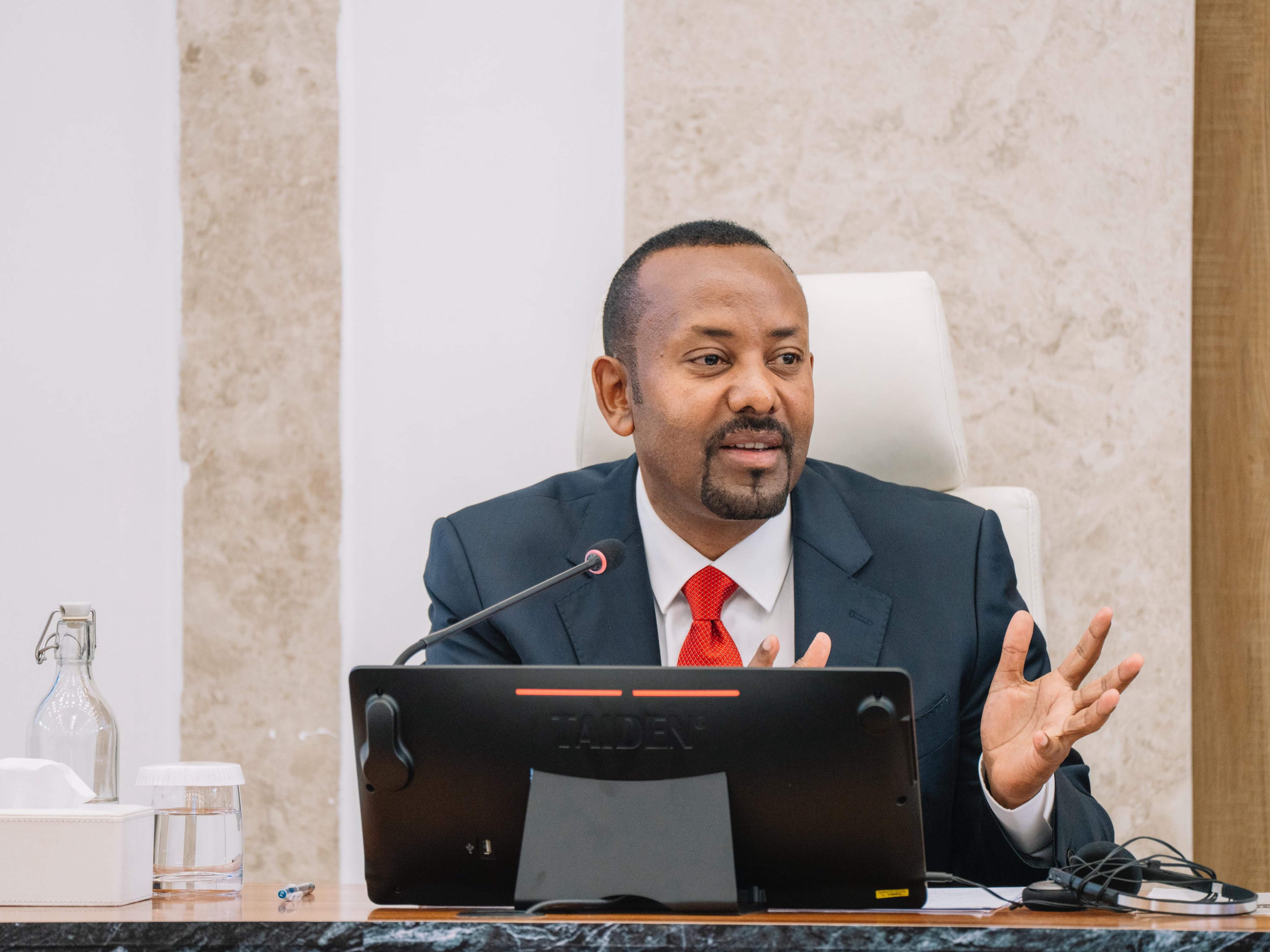 “Sudan’s peace is our peace,” he declared, explaining that the conflict carries consequences for Ethiopia, both directly and indirectly.
For Ethiopia, engagement with its neighbours is a strategic necessity shaped by geography and shared interests. The country cannot choose its location or detach its future from the circumstances of the states around it.
This reality, the Prime Minister explained, makes cooperation with neighbouring countries indispensable to regional peace and stability.
Ethiopia’s engagement with Sudan also has a history. Recalling the country’s previous efforts during Sudan’s political crisis, the Prime Minister noted that Ethiopia brought parties together in the period following the coup to help facilitate the formation of a transitional government.
The country remains ready to support efforts to restore peace, including by committing time and financial resources if these can help improve the situation.
The appeal to the Sudanese parties was clear: they should give the peace initiative a chance. The people of Sudan, he stressed, should not continue to endure the devastating consequences of conflict when there is an opportunity to pursue a peaceful resolution.
The argument that Ethiopia should first resolve its own internal challenges before involving itself in Sudan’s peace efforts was also addressed during the parliamentary briefing.
The Prime Minister argued that a country’s experience of conflict can provide valuable lessons for peacebuilding. Having experienced the costs of war, Ethiopia understands the difficulties of ending hostilities and reaching agreements.
He drew a distinction between this practical experience and approaches that primarily involve financing parties to a conflict.
Countries without direct experience of war, he argued, may not fully understand the complexities of bringing it to an end. Ethiopia, by contrast, has lessons from its own experience that it can share with those seeking to overcome conflict.
The discussion extended beyond Sudan to Ethiopia’s wider regional peace engagements.
The Prime Minister cited the dispute between Somalia and Kenya during the presidencies of Mohamed Abdullahi Farmaajo and Uhuru Kenyatta, recalling Ethiopia’s role in helping the two countries reconcile before their disagreement proceeded to court.
He also referred to efforts involving South Sudanese President Salva Kiir and opposition leader Riek Machar, including Ethiopia’s facilitation of Machar’s return from South Africa to South Sudan.
These experiences reflect Ethiopia’s longstanding engagement in regional peace efforts and its conviction that instability in neighbouring countries has implications for its own national interests.
Ethiopia, the Prime Minister reaffirmed, is willing to contribute beyond its borders while continuing to address challenges at home.
His message was that Sudan’s path out of conflict deserves every genuine opportunity for peace, with the benefits extending well beyond its own borders to the wider region.