
Ethiopia Must Strengthen Agriculture to Its Full Potential, Expand Three-Cycle Year-Round Production: Minister
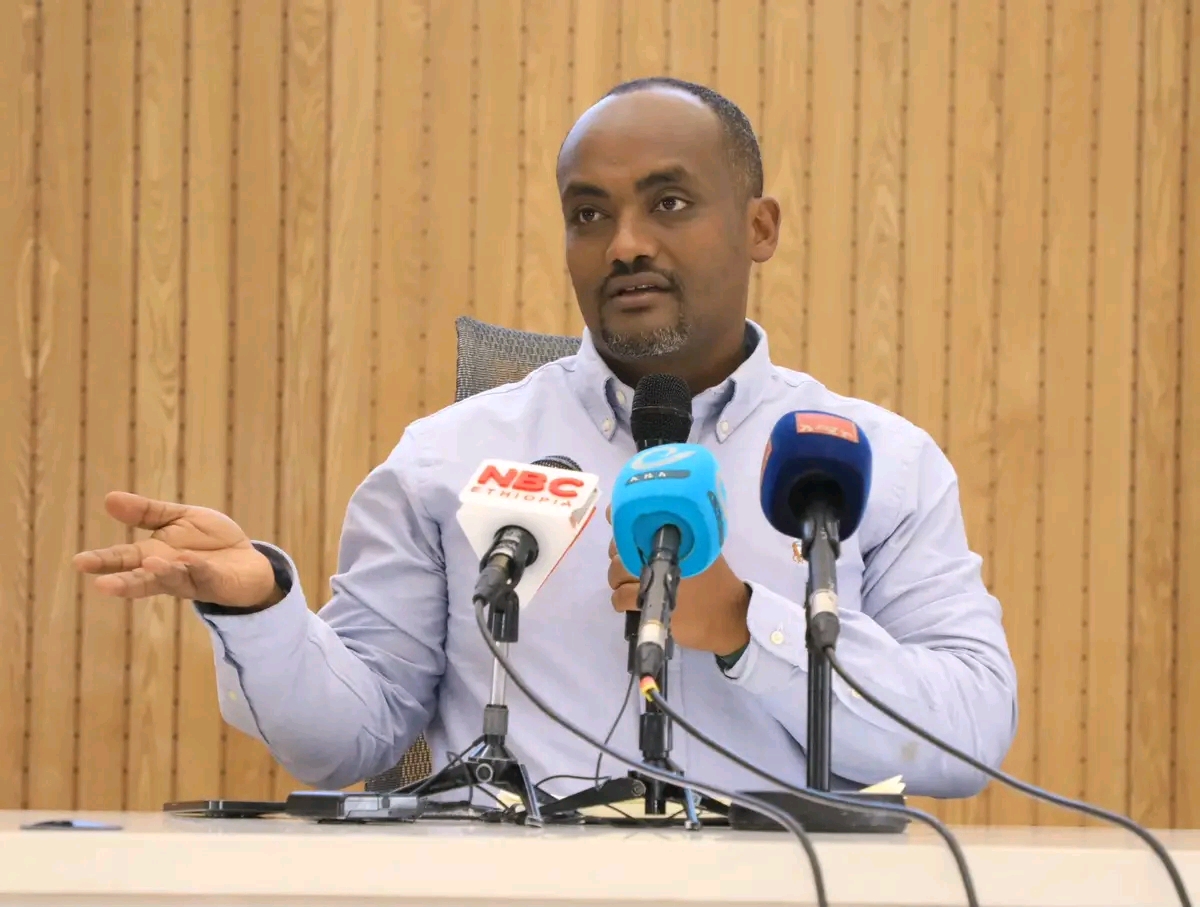
Addis Ababa, April 4, 2026 (FMC) — Ethiopia must continue to modernize its agricultural sector and expand year-round production to fully realize its potential, Minister of Agriculture Addisu Arega said, outlining priorities for growth, productivity, and food security.
Speaking at the launch of the 2018/19 Ethiopian agricultural growing season Nationwide Crop Development Campaign in Adama, the Minister urged institutions at all levels to develop clear implementation plans and work diligently to meet the campaign’s objectives.
Emphasizing the need to expediting delivery of agricultural inputs to farmers, he called on stakeholders to ensure the proper distribution of fertilizers and other agricultural inputs while addressing any gaps in the supply chain.
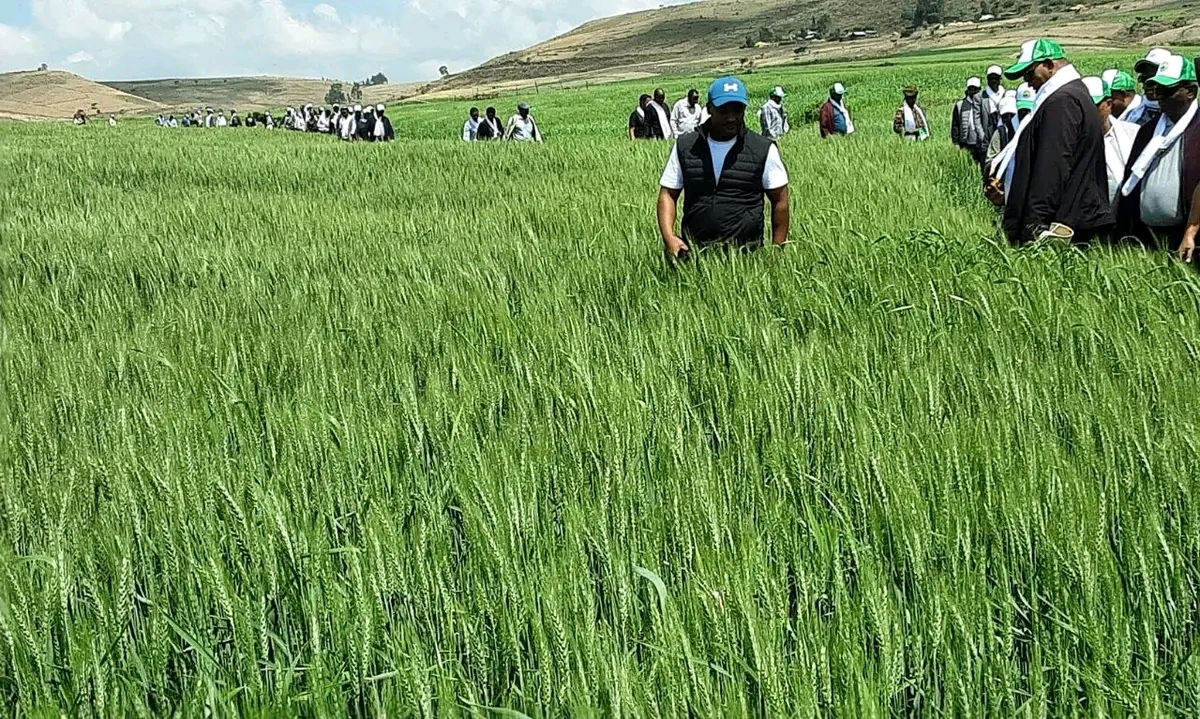
As part of the launch, a field visit was conducted in Ada’a Woreda of Oromia region’s East Sewa zone, covering irrigated wheat cluster farms, horticulture farms, compost-making sites, and seedling-growing sites.
The visit brought together regional agricultural bureau heads and experts from all regional states, development partners, agricultural researchers, and other stakeholders. The exercise aimed to encourage each regional state to actively implement the campaign and contribute to Ethiopia’s broader goal of advancing food security and food sovereignty agenda.
Highlighting the sector’s potential, the Minister said that despite the significant progress achieved so far, Ethiopia must continue to strengthen and upgrade its agricultural capacity. He emphasized the expansion of the three-times-a-year production system initiated during the transitional government as a key mechanism to boost output and support the country’s long-term food security objectives.
Addressing structural challenges, Minister Addisu Arega stressed the importance of reducing reliance on seasonal rainfall by optimizing the use of groundwater, surface water, and rainwater resources.
He also called for the large-scale production of compost and other natural fertilizers as part of the campaign to mitigate potential impacts of the ongoing U.S.-Israel-Iran conflict in the Middle East, which has disrupted fertilizer supplies, fuel, and other agricultural logistics globally.
On agricultural inputs, the Minister confirmed that sufficient fertilizer supplies are available for the 2018/19 growing season and that efforts are underway to prioritize timely delivery to farmers.
At the same time, he emphasized the importance of proactive measures, such as natural fertilizer production, to prevent future shortages that could arise from international crises.
He urged all levels of government to empower farmers to produce compost and other natural fertilizers on a large scale. “We must transform the victories recorded during the COVID-19 pandemic into even greater achievements by turning emerging challenges into opportunities,” the Minister said, underlining that global crises primarily affect the agriculture sector and, consequently, food security worldwide.
The Minister also highlighted ongoing initiatives to expand access to mechanization equipment, which he described as essential to modernizing agriculture, sustaining productivity gains, and ensuring Ethiopia continues on the path toward self-sufficiency in food production.
With these measures, Ethiopia aims to strengthen the sector’s foundation, improve efficiency, and secure long-term food security while fully utilizing its agricultural potential, it was mentioned.