
Ethiopia pioneering ecosystem incentives linking private sector and local communities –Ministry
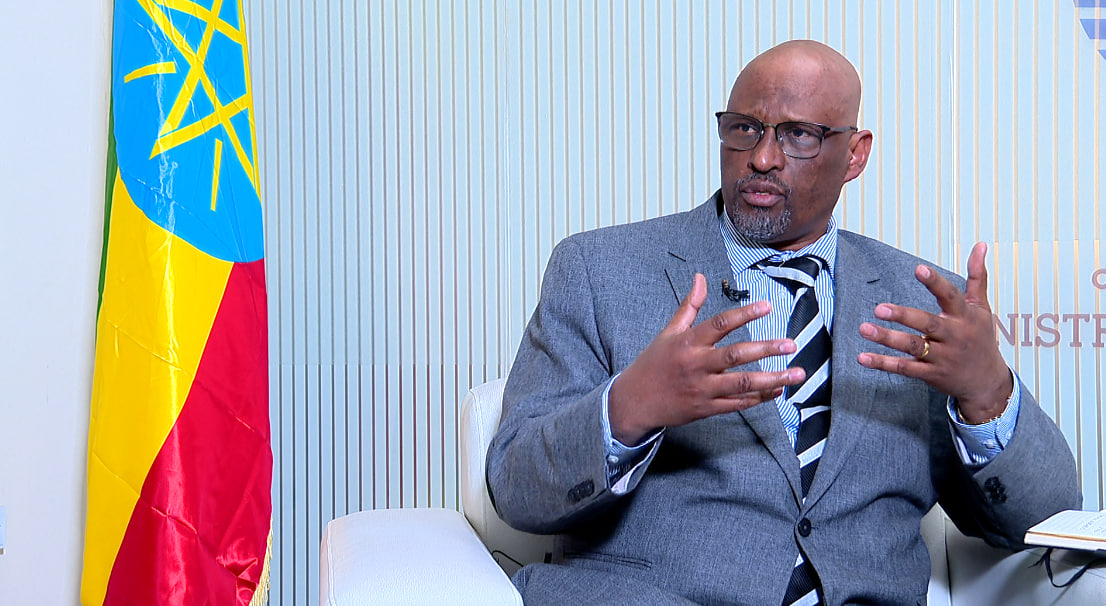
Addis Ababa, January 15, 2026 (FMC) — Ethiopia is linking community action with private-sector support to maintain restored landscapes, promote sustainable livelihoods, and strengthen local economies, the State Minister for the Natural Resources Sector at the Ministry of Agriculture, Prof. Eyasu Elias, said.
In a recent interview with Fana Media Corporation, the State Minister explained that households across the country contribute 40 to 60 days of labor annually to plant trees, construct terraces, and maintain soil and water conservation structures.
“These farmers are custodians of the landscape,” Prof. Eyasu said. “Their efforts safeguard ecosystems that sustain the country and generate long-term benefits for communities and the environment alike.”
To complement community labor, the government is rolling out a Payment for Ecosystem Services (PES) framework, recently approved by the Council of Ministers and pending parliamentary ratification. Once enacted, PES will allow private companies to financially support restoration initiatives, ensuring that communities maintaining the landscapes are rewarded and ecosystems remain sustainable.
The State Minister highlighted early examples of private-sector engagement. Eden Water in Gurage channels part of its sales into tree planting and environmental protection initiatives, while hydropower companies, including Ethiopian Electric, benefit from restored watersheds that reduce siltation and preserve dam efficiency.
Approximately 20 to 30 percent of restoration activities are focused on the Grand Ethiopian Renaissance Dam (GERD) watershed, protecting one of Ethiopia’s most strategic infrastructure projects.
Prof. Eyasu also emphasized the social dimension of community participation. Labor contributions are increasingly recognized through support for schools, clinics, maternal health services, and school feeding programs, ensuring that restoration efforts improve both ecosystems and local living standards.
“These initiatives are about more than restoring landscapes,” the State Minister added. “They create pathways for food security, local economic growth, and climate resilience, while fostering ownership and responsibility among the communities themselves.”
By integrating community labor, private-sector collaboration, and legal frameworks, Ethiopia is establishing a replicable model that links environmental stewardship with social incentives, ensuring that both natural resources and the people who manage them thrive together.