
Ethiopia’s Clean Energy Drive Anchored in Regional Integration, Connectivity: PM Abiy
Addis Ababa, January 31, 2026 (FMC) — Ethiopia’s clean energy development strategy is firmly anchored in regional integration and cross-border connectivity, Prime Minister Abiy Ahmed said, emphasizing that the country’s energy ambitions are closely tied to cooperation with neighboring nations.
The Prime Minister made the remarks on Saturday during the inauguration of the Aysha II Wind Power Project in the Somali Region, held in the presence of Djiboutian President Ismail Omar Guelleh and Somali President Hassan Sheikh Mohamud.
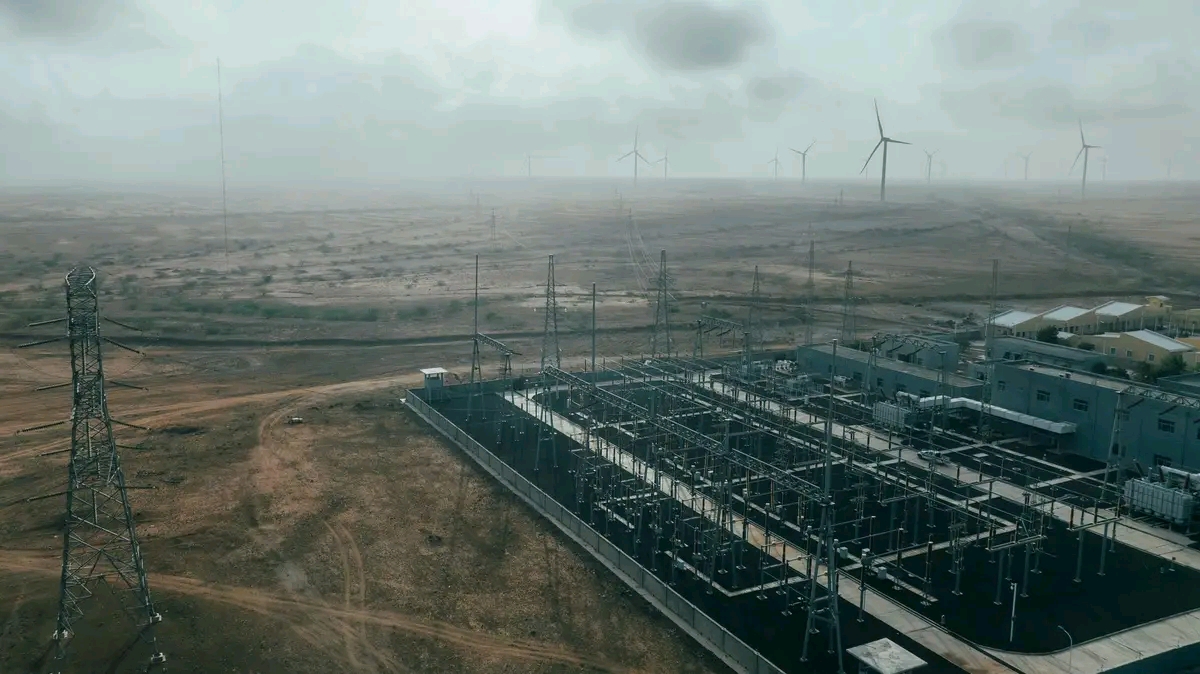
The Aysha II Wind Power Project has a total installed capacity of 120 megawatts, with 80 megawatts from its first phase already connected to the national grid, marking a significant milestone in Ethiopia’s renewable energy expansion.
Speaking at the inauguration ceremony, Prime Minister Abiy said Ethiopia has reached a pivotal stage in its development, where national growth objectives are increasingly dependent on energy expansion.
“By expanding our renewable energy sources, we are lighting up every corner of the country—not only its streets, but also the hopes and prosperity of our people,” he said.
The Prime Minister noted that the Aysha II project reflects Ethiopia’s pursuit of self-reliance through collective effort and the effective use of local resources, underscoring that clean energy remains central to the country’s long-term economic transformation.
He further stressed that Ethiopia’s clean energy agenda aligns with global economic trends and climate priorities, adding that sustained investment in energy infrastructure forms the backbone of sustainable development.
Highlighting the close link between energy development and environmental protection, Prime Minister Abiy cited the Grand Ethiopian Renaissance Dam (GERD) as a flagship national achievement constructed entirely with domestic resources.
“The GERD stands as a source of pride for Africans and a practical example of what clean energy cooperation can achieve,” he said.
According to the Prime Minister, Ethiopia’s renewable energy vision extends beyond meeting domestic demand and is designed to strengthen ties with neighboring countries. He noted that Ethiopia is working closely with Djibouti in the areas of energy, water management, and infrastructure, while parallel efforts are underway to deepen energy and transport connectivity with Somalia and South Sudan.
Within this context, the commissioning of the first phase of the Aysha II wind farm was described as a milestone in advancing regional cooperation and shared development.
Prime Minister Abiy also said Ethiopia’s progress in clean energy contributed to its selection as host of the upcoming COP-32 Summit, noting that the country is prepared to present Africa’s ambitions and solutions on the global stage.
He concluded by highlighting the vast potential of East Africa, stating that coordinated regional action could secure reliable energy futures for individual countries while delivering broad economic and environmental benefits across the region.