
Ethiopia’s Green Transition Offers a Blueprint Amid Global Energy Shock
Addis Ababa, March 26, 2026 (FMC) — The deepening conflict in the Middle East has triggered one of the most serious global energy disruptions in decades, sending oil prices soaring, unsettling markets, and prompting countries around the world to rethink energy policy.
In this extraordinary context, Ethiopia’s renewable energy and electric vehicle transition has emerged as a striking — and increasingly relevant — example of resilience in a world still dependent on volatile fossil fuel markets.
The conflict intensified following military action by the United States and Israel against Iranian targets. In response, Iran’s forces effectively restricted commercial transit through the Strait of Hormuz, a narrow maritime chokepoint through which about 20 % of the world’s crude oil and LNG normally passes.
Analysts warn that sustained disruption could remove 13–14 million barrels per day of oil from the global market, a shock on par with major energy crises of the past.
With the ongoing disruptions, oil benchmark prices have repeatedly climbed above $100 per barrel, reflecting global nervousness about continued flow interruptions and geopolitical escalation.
Markets have not only reacted to actual supply bottlenecks but also to the risk of longer‑term closures and transport threats, as maritime traffic through the strait has plunged amid hostilities and attacks on vessels.
The sudden and deep shock has reignited debate about the fragility of the world’s dependence on oil transported through politically unstable regions — and what alternatives look like.
Global Ripple Effects
Governments across Europe and Asia have already begun recalibrating energy policy in response to spiking prices and supply uncertainty:
The European Union is reconsidering some climate and energy transition goals in order to bolster near‑term energy security, including delaying parts of its gas phase‑out and temporarily expanding gas‑fired capacity.
Countries in East Asia are accelerating alternative procurement strategies and emergency fuel planning to protect domestic supplies as global markets remain unstable.
This renewed strategic focus on energy security comes amid warnings from global organisations that high energy prices and inflationary pressures could weigh on growth prospects worldwide.
Ethiopia’s Green Strategy Aftershock
While many nations confront steep fossil fuel price inflation, Ethiopia — a net importer of refined petroleum — has been quietly building a domestic energy strategy less dependent on imported oil.
In early 2024, Ethiopia introduced stringent measures that, in practice, barred the importation of internal combustion engine (ICE) vehicles, pushing the transport sector toward electric vehicles. Though not a formal outright legal ban on every ICE import, prohibitive taxes and restrictions on foreign exchange allocation have made fuel‑powered vehicle imports effectively untenable.
This policy has worked in tandem with Ethiopia’s renewable electricity base — predominantly hydropower alongside wind and solar projects — so that powering vehicles on electric grids comes from domestic, low‑carbon sources rather than fossil fuel imports.
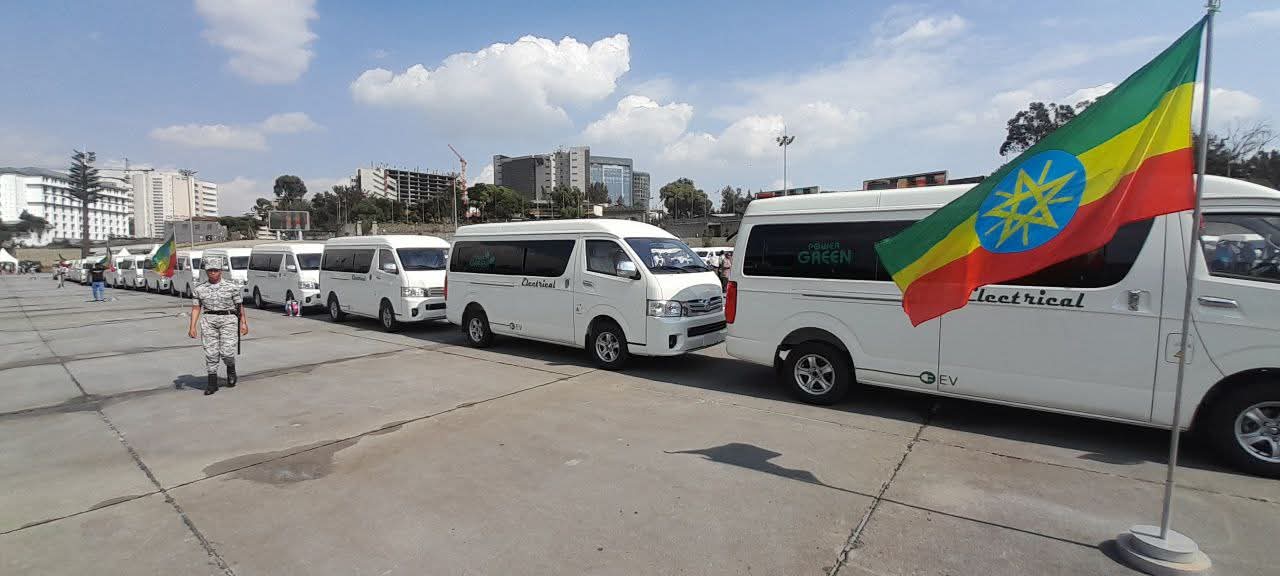
By 2026, the number of electric vehicles on Ethiopian roads surged dramatically, from roughly 7,000 in 2022 to over 115,000 today, a shift that has attracted attention well beyond Africa.
This rapid growth — described by analysts as one of the fastest EV transitions in a developing economy — is supported by policy changes such as reduced customs duties for electric imports and VAT adjustments intended to make EVs more accessible than gasoline‑powered cars.
Ethiopia has also begun laying the groundwork for EV infrastructure along key highways and in cities, signalling a longer‑term strategy to make electrified mobility more practical for users outside major urban centres.
A Real‑World Case of Reduced Vulnerability
The logic behind Ethiopia’s green transition is strikingly relevant to the current global energy shock:
By electrifying transport through domestic renewables, the country reduces exposure to international oil price volatility that now grips markets because of the conflict in the Gulf.
Shifting transport energy to local electricity helps lessen Ethiopia’s foreign exchange burden, which would otherwise be depleted by fuel imports subject to sudden price spikes.
The expanding EV market has supported new local economic activity, from vehicle assembly to services related to electric mobility.
Unlike some high‑income states now forced to temporarily adjust climate plans to secure fossil fuel supplies, Ethiopia’s strategy was not a response to the current crisis — it was laid down earlier, driven by economic and energy‑security logic. This places Ethiopia in a relatively better position to absorb higher global fuel costs at a societal level.
Lessons for a Fragile Global System
The crisis in the Middle East underscores a structural vulnerability: global fossil fuel logistics are heavily concentrated in politically unstable corridors. Repeated disruption of energy flows through chokepoints like the Strait of Hormuz quickly cascades to transportation costs, industrial inputs, and consumer prices around the world.
As policymakers in Europe and Asia reassess their energy security strategies under duress, experts increasingly point out that accelerating electrification, energy efficiency and domestic clean energy systems — long the domain of climate policy — also function as economic resilience and national security strategies in an era of geopolitical risk.
Ethiopia’s experience, where strategic use of renewable energy supported a massive leap in electric mobility, suggests that a pragmatic focus on reducing fossil fuel dependency can offer real advantages when global supply chains are stressed.
For countries that rely on imported fuels, the current crisis is a potent reminder that diversifying energy systems — beyond short‑term emergency measures — can strengthen national resilience against external shocks, while also laying the groundwork for long‑term sustainable development.
By Mesafint Brlie