
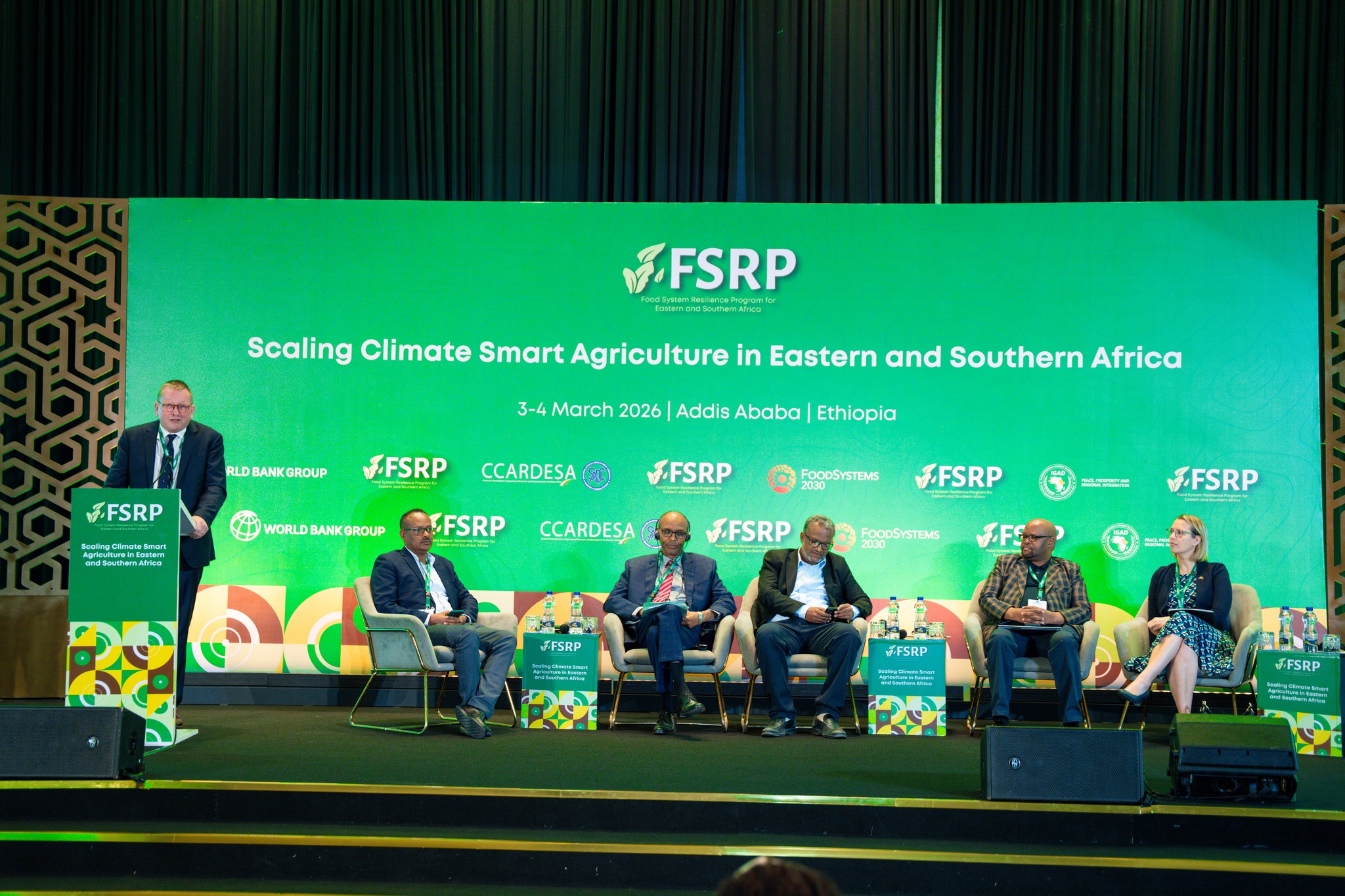
Africa’s Vast Agricultural Resources Require Structural Shift Toward Climate Resilience: IGAD
Addis Ababa, March 4, 2026 (FMC) — Harnessing Africa’s vast yet underutilized agricultural resources requires a deliberate and strategic transformation toward climate-resilient, productive, and competitive systems, Director of Agriculture and Environment Division at the Intergovernmental Authority on Development (IGAD), Daher Elmi, has said.
Speaking at a two-day regional forum on Scaling Climate-Smart Agriculture in Eastern and Southern Africa, the Director underscored that Africa holds the largest expanse of uncultivated arable land globally, boasts the world’s youngest population, and is supported by a rapidly expanding digital and innovation ecosystem.
Realizing these opportunities, he stressed, demands a purposeful shift in approach.
“As harnessing these opportunities requires a deliberate shift, we must transform Africa’s agriculture into a climate-resilient, productive, and competitive system,” Elmi stated.
He emphasized that climate-smart agriculture lies at the core of this transformation, noting that responses to climate change must be regional in scope, as climate shocks and food systems transcend national borders.
In line with this approach, Elmi indicated that IGAD is implementing several strategic initiatives aimed at scaling climate-smart agriculture and accelerating food systems transformation across the region.
Echoing this perspective, Natural Resource and Climate Change Program Director at the Ethiopian Agricultural Transformation Institute, Awoke Mulualem, highlighted that climate-smart agriculture is essential to making Ethiopia’s food systems more productive, resilient, and sustainable.
He noted that climate-smart agriculture forms part of the country’s broader sectoral development strategy and affirmed that Ethiopia is undertaking concrete measures to advance its implementation.
“We are restoring degraded lands and improving water retention in these areas. And we are enhancing soil health with better nutrient management,” he said.
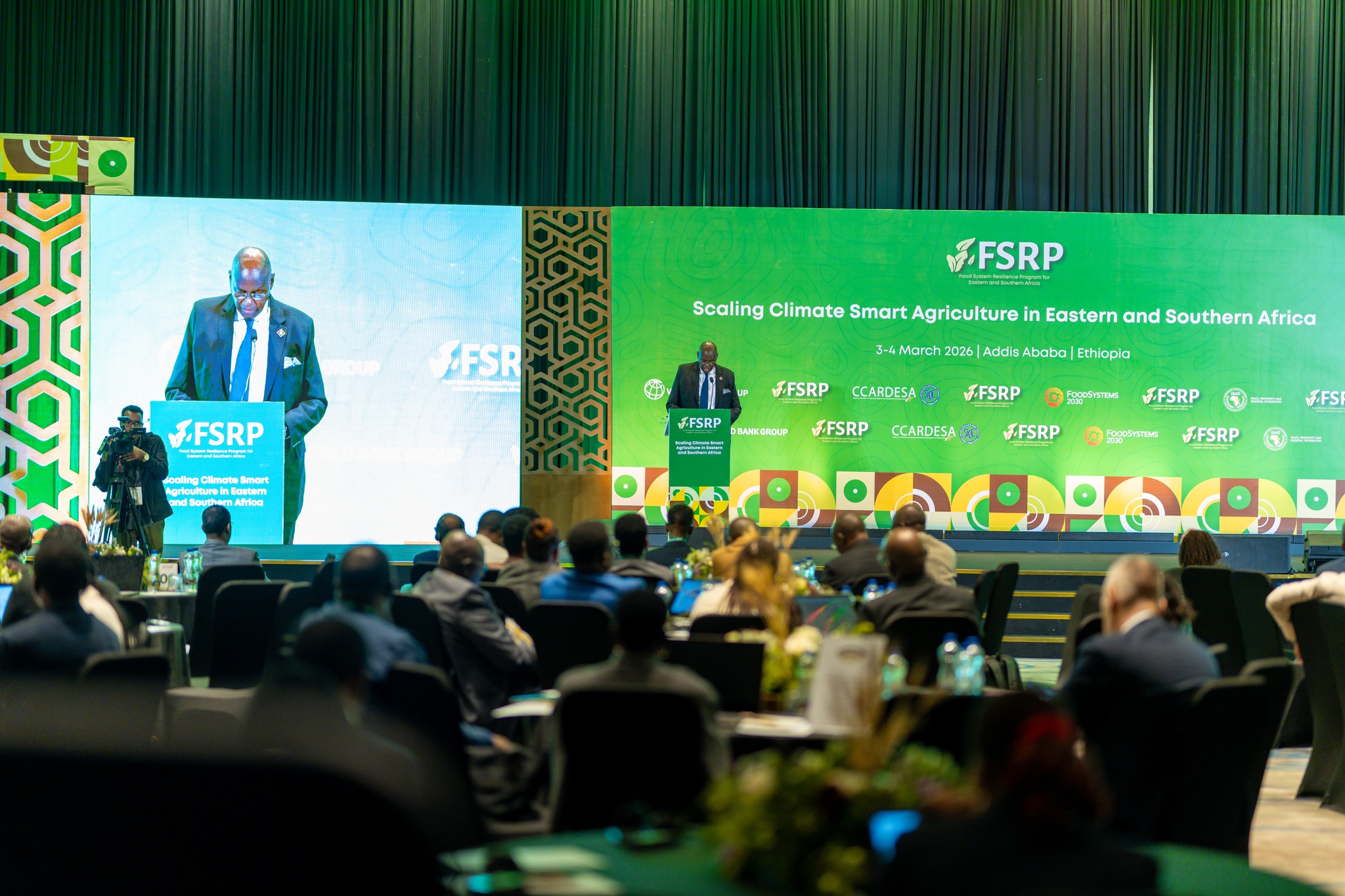
According to Awoke, these efforts are aligned with both national and regional agricultural frameworks. He cited the establishment of a Climate Smart Agriculture Center of Excellence in Ethiopia, along with the development of a digital platform designed to translate policy commitments into practical implementation.
The Program Director further underscored the importance of strengthening collaboration at both national and regional levels to advance climate-smart agriculture within the region and beyond.
For her part, New Zealand’s Ambassador to Ethiopia, Olivia Owen, emphasized that agriculture forms the backbone of livelihoods, food security, and economic transformation in countries worldwide.
“We are here today because we are committed to enhancing climate resilience, realizing food security, and reducing emissions,” the Ambassador said.
She stressed that supporting climate-smart agriculture, fostering innovation, and ensuring effective scaling mechanisms are critical to achieving food security, adding that regional cooperation and forums of this nature are indispensable.
Similarly, Senior Agricultural Specialist at the World Bank, Tim Robertson, described climate-smart agriculture as critically important. He called for intensified collaboration among stakeholders to unlock Africa’s significant agricultural potential.
The specialist also highlighted the pivotal role of technology in advancing climate-smart agriculture, underscoring the need for increased innovation and creative solutions to drive sustainable transformation across the continent.