
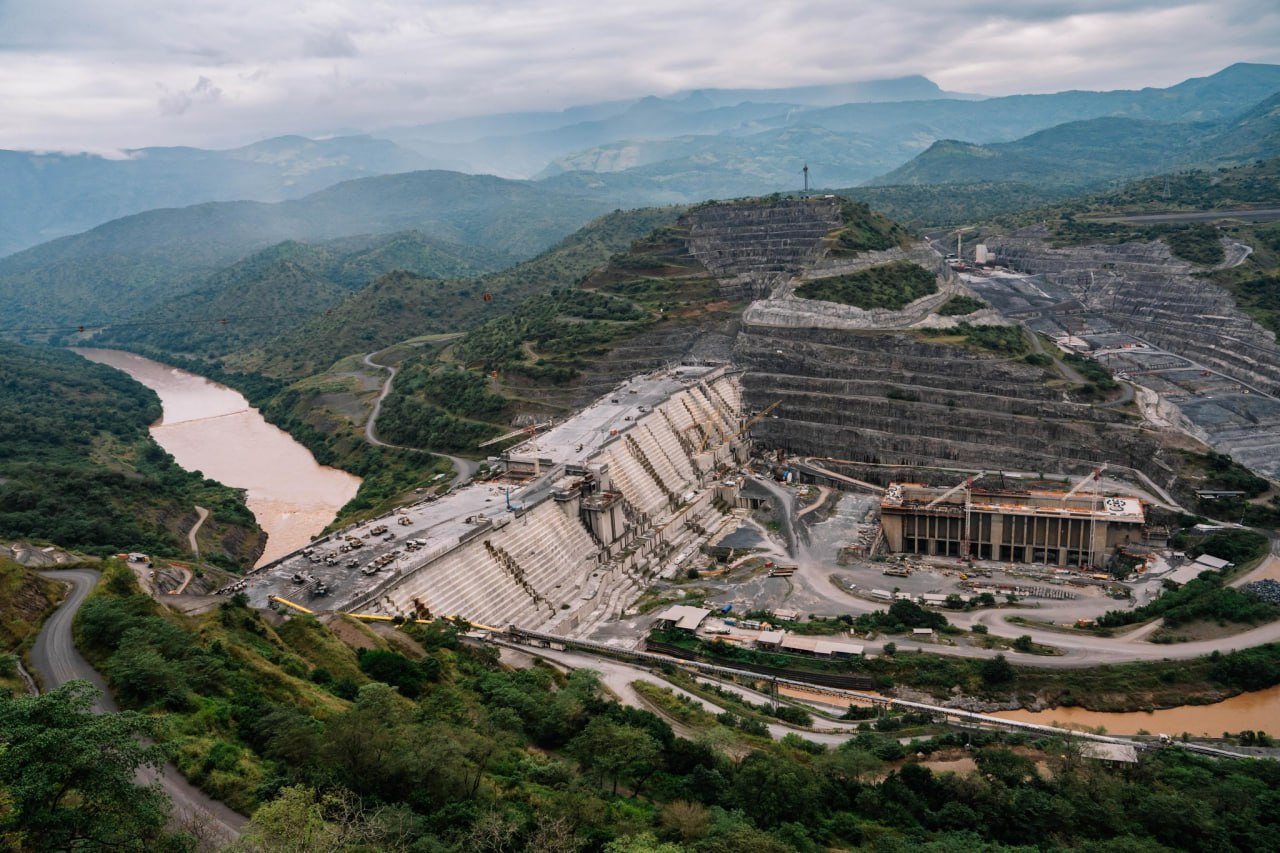
Koysha Hydropower Dam Embodies the Scale and Ambition of Ethiopia’s Clean Energy Push
Addis Ababa, January 5, 2026 (FMC) — Ethiopia continues to advance its green economy, with renewable energy projects forming the backbone of the country’s long-term development strategy.
Among these initiatives, the Koysha Hydropower Project stands out as a strategic pillar in meeting the nation’s growing electricity demand, supporting sustainable development, and strengthening Ethiopia’s position as a regional energy leader.
Koysha is Ethiopia’s second-largest hydropower project – only second to Africa’s biggest hydroelectric dam the Grand Ethiopian Renaissance Dam (GERD) –, reflecting the scale, ambition, and technical capacity of the country’s renewable energy program.
The project is located in the lower Omo River basin in Southwest Ethiopia, about 129 kilometers from the Gibe III Power Plant, and is part of the broader Omo-Gibe hydropower cascade, complementing existing facilities.
Its construction demonstrates Ethiopia’s ability to carry out large-scale infrastructure projects with long-term strategic and socioeconomic significance.
Koysha is designed to have a generating capacity of 1,800 megawatts, which will enhance electricity supply across the nation, provide clean and reliable renewable energy, and support industrial growth, urban expansion, and economic transformation.
It is also designed to expand rural electrification, improve living standards, and stimulate sustainable development in communities that previously had limited access to power.
Beyond national benefits, Koysha is a key enabler for Ethiopia’s ambition to become a leading electricity exporter in East Africa, contributing to regional energy security and cooperation. The project underscores the country’s commitment to renewable energy as the foundation of a sustainable economy and as a driver of technological and industrial advancement.
Officials highlight that the dam will stabilize the national grid, ensure long-term energy security, and meet growing electricity demand, while also reinforcing Ethiopia’s capability to implement complex and large-scale energy projects.
The project’s construction and eventual operation are expected to generate multiple social and economic benefits, including supporting industrial hubs, creating employment opportunities, and enhancing access to modern energy services for rural populations.
The Koysha Hydropower Project continues in phases toward full commissioning, with authorities emphasizing quality, operational reliability, and lasting impact.
Once fully operational, it is expected to reinforce Ethiopia’s renewable energy portfolio, strengthen national and regional energy security, and demonstrate the scale and ambition of the country’s development vision.
As part of Ethiopia’s broader green economy initiatives, Koysha symbolizes the country’s commitment to sustainable development, modern energy infrastructure, and regional leadership in renewable energy, establishing a foundation for long-term economic growth and social progress.