
PM Abiy Says Ethiopia’s Long-Term Prosperity Hinges on Green, Planned Urban Development
Addis Ababa, February 4, 2026 (FMC) — Prime Minister Abiy Ahmed said Ethiopia’s long-term prosperity depends on the development of green, resilient and well-planned cities that promote economic growth while safeguarding natural resources.
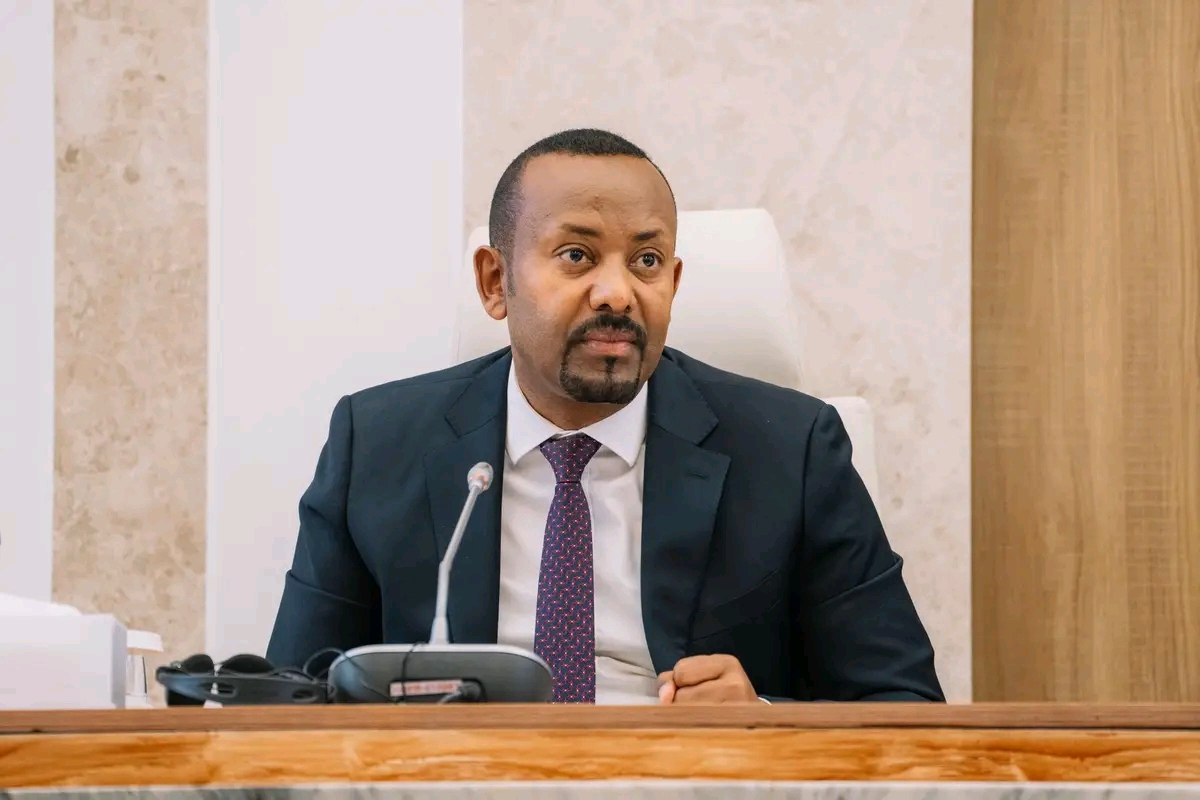
Addressing the 10th regular session of the fifth year of the House of Peoples’ Representatives, the Prime Minister cautioned that unplanned urban expansion could expose the country to serious environmental challenges, stressing the importance of balancing development with environmental protection.
He said the scale of urban and corridor development currently under way across Ethiopia is already reshaping the country.
“The transformation that is currently taking place in Ethiopia through urban development and corridor development is very clear and visible,” Abiy said.
The Prime Minister noted that the effort has moved beyond Addis Ababa and has become a nationwide initiative modernizing cities across the country.
However, Abiy warned that rapid population growth, if not matched by proper planning, would place significant pressure on urban centers and existing infrastructure.
“If urban development is not carried out in a planned manner, population growth will inevitably put a lot of pressure on cities,” he said.
He emphasized that building cities capable of providing diverse services within a balanced environment is essential to ensuring safety, mobility and a healthy urban life for citizens.
Reflecting on global experience, the Prime Minister said the development paths of Western and Asian countries offer important lessons.
“The development experience of both Western and Asian countries provides a great lesson for the world,” he said, adding that while their prosperity is notable, it has often come at a significant environmental cost.
Abiy noted that some developing countries are now spending up to nine percent of their gross domestic product to address the impacts of climate change, and warned that pollution has already disrupted parts of Asia.
“In Asia, there are cities that are so polluted that they cannot even land or take off,” he said.
Reaffirming Ethiopia’s green economic reform agenda, the Prime Minister said the country is determined to avoid repeating past mistakes by ensuring development progresses in harmony with nature.
He cited initiatives such as the Green Legacy program, which focuses on restoring degraded landscapes, and riverside development projects aimed at rehabilitating urban waterways, as concrete examples of this approach.
“In general, every citizen should realize that sustainable development can only be achieved when it is possible to travel without polluting or harming nature,” Abiy said.
He added that ongoing urban corridor development remains central to Ethiopia’s future.
“The urban corridor development that is currently being implemented is a strategic step that will improve the quality of life of citizens, harmonize modernity with nature, and hand over a better country to the next generation,” the Prime Minister said.