

Renowned American Economist Jeffrey Sachs Hails Ethiopia as Africa’s Rising Economic Powerhouse
Addis Ababa, February 15, 2026 (FMC) – Renowned American economist and public policy analyst Jeffrey Sachs has hailed Ethiopia as one of the world’s most dynamic and forward-looking economies, attributing its rapid progress to visionary leadership, large-scale infrastructure investment, and bold macroeconomic reforms.
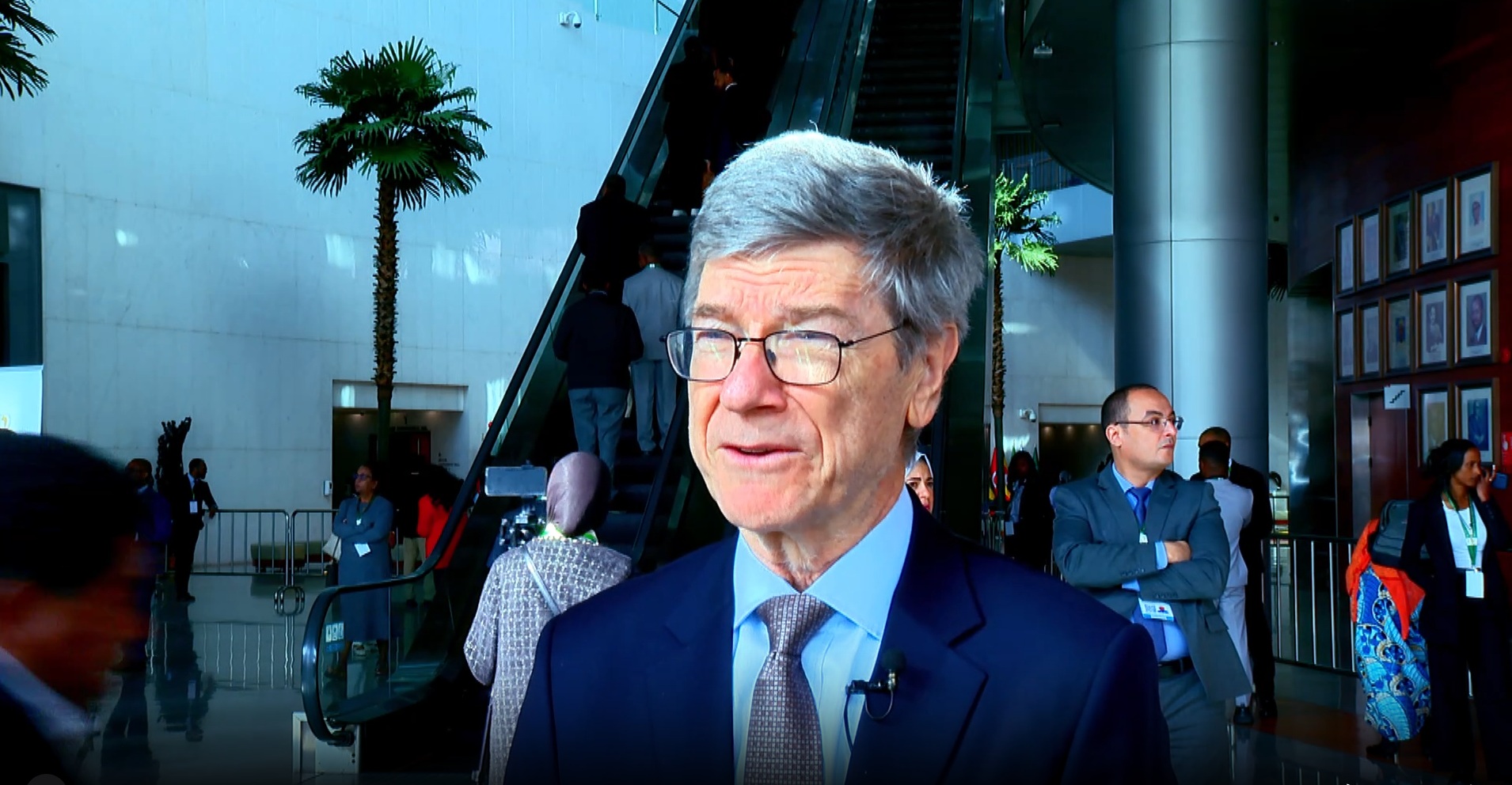
In an exclusive interview with local media on the sidelines of the African Union Summit, Sachs emphasized that Ethiopia is pursuing development with a long-term strategic outlook.
“Ethiopia is operating with a vision for the future, looking ahead 10 to 20 years,” he said, highlighting that sustained development requires deliberate planning and structural transformation.
Sachs, a professor at Columbia University and a leading advocate for sustainable development, described Ethiopia as one of the world’s most vibrant and rapidly evolving economies. He praised the country’s expansive investments in transport, energy, digital connectivity, and agriculture, noting that these sectors are laying a solid foundation for long-term prosperity and regional integration.
He noted that the strategic alignment between infrastructure expansion—particularly in energy generation, digital networks, and transportation corridors—and comprehensive macroeconomic reform is creating favorable conditions for private-sector growth and investment inflows.
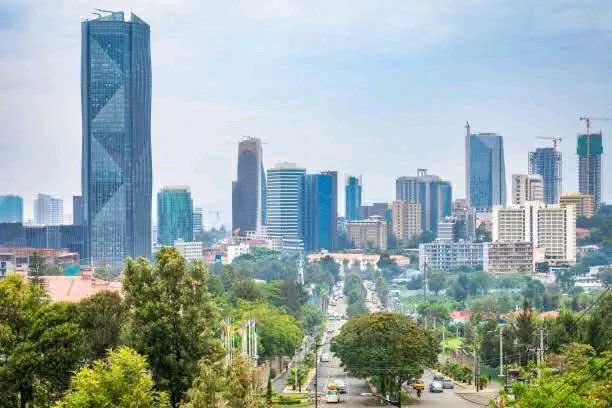
Sachs observed that visible transformation is unfolding both in Addis Ababa and across regional states, citing measurable improvements in electrification, digital access, and modern transport networks.
He particularly highlighted Ethiopia’s vast renewable energy potential—including hydro, solar, wind, and geothermal resources—describing it as a critical pillar of the country’s development strategy. Sachs pointed to the Grand Ethiopian Renaissance Dam (GERD) as a flagship project exemplifying Ethiopia’s energy ambitions.
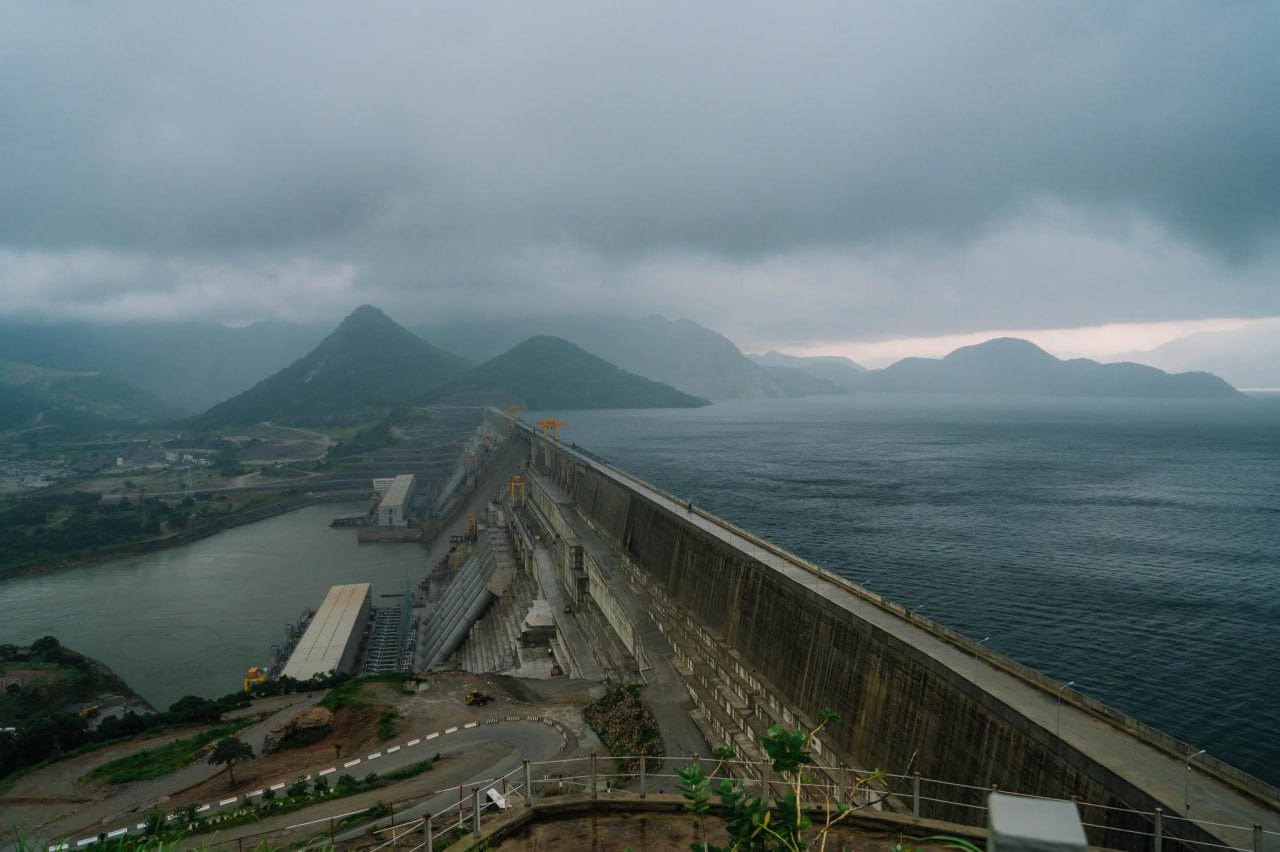
The dam, he noted, will significantly strengthen national power generation capacity while supporting regional electrification initiatives.
“With access to electricity, farmers can enhance crop production, improve transport, and ultimately increase profitability,” Sachs explained, emphasizing that rural electrification is already generating tangible income gains for agricultural communities.
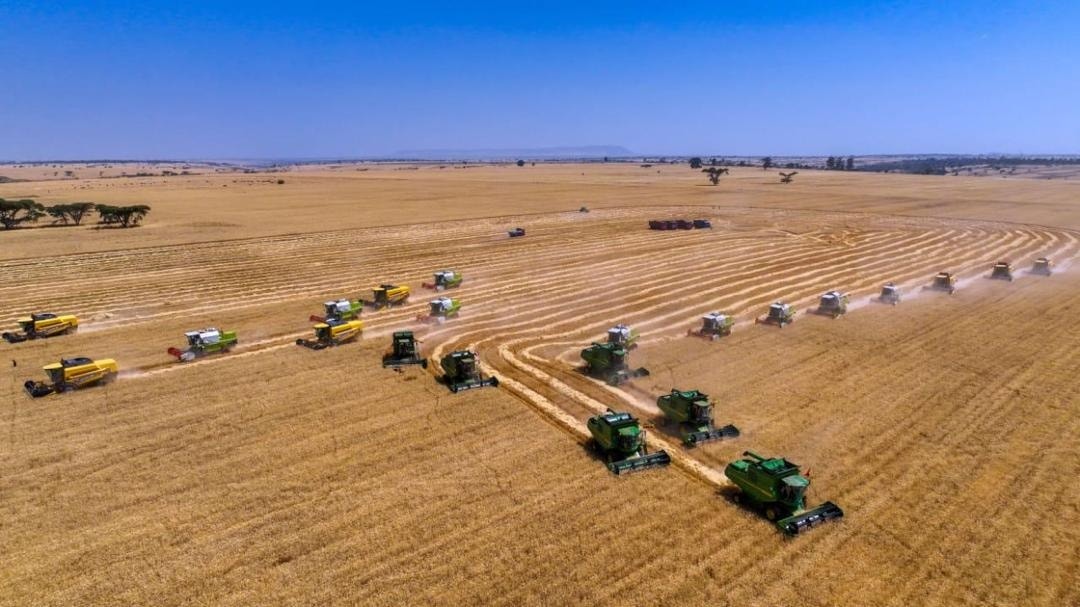
While acknowledging Ethiopia’s vast agricultural potential, he stressed the importance of farmer education and skills training to fully unlock productivity gains.
Beyond national development, Sachs called for stronger continental cooperation under the African Union framework, arguing that regional integration is essential to boosting productivity, strengthening value chains, and attracting sustained investment across Africa.
“Big hydro projects like GERD are part of a broader regional electrification effort,” he said, emphasizing that collective infrastructure development will be central to Africa’s long-term economic transformation, as reported by local news agency ENA.
Sachs concluded that Ethiopia’s blend of visionary planning, infrastructure expansion, and reform momentum positions the country as a rising economic powerhouse in Africa and an emerging model for sustainable development worldwide.