

Strategy to ensure 70% of population digitally literate, 80% of gov’t employees skilled by 2030 – Senior Officials
Addis Ababa, December 23, 2025 (FMC) — Ethiopia’s Digital Ethiopia 2030 Strategy is set to deepen the country’s digital transformation by expanding access to public services, strengthening digital tax collection, and fostering digital skills and innovation, according to senior government officials.
The officials shared their thoughts on the strategy during the closing review of Digital Ethiopia 2025 Strategy and the official launch of Digital Ethiopia 2030 Strategy over the past weekend. The strategy was officially launched by Prime Minister Abiy Ahmed (PhD) at the Addis International Convention Center.
The event was attended by senior government officials, experts, and key stakeholders, providing a platform to chart the next phase of Ethiopia’s digital transformation.

On the occasion, Mr. Taye Girma, Deputy Director General at the Ethiopian Artificial Intelligence Institute (EAII), highlighted that Digital Ethiopia 2030 will digitalize civil registration and residency services nationwide.
He explained that applications developed locally have already enabled connectivity from central institutions to districts (woredas), allowing family registration, vital events registration, residency, citizenship, and verification processes to be implemented consistently across all levels.
Mr. Taye further noted that the system will include mobile applications for citizen access, allowing individuals to verify documents, submit complaints, and receive services efficiently. He emphasized that these efforts are built on lessons learned from Digital Ethiopia 2025, ensuring that government institutions operate digitally and are interconnected through data.
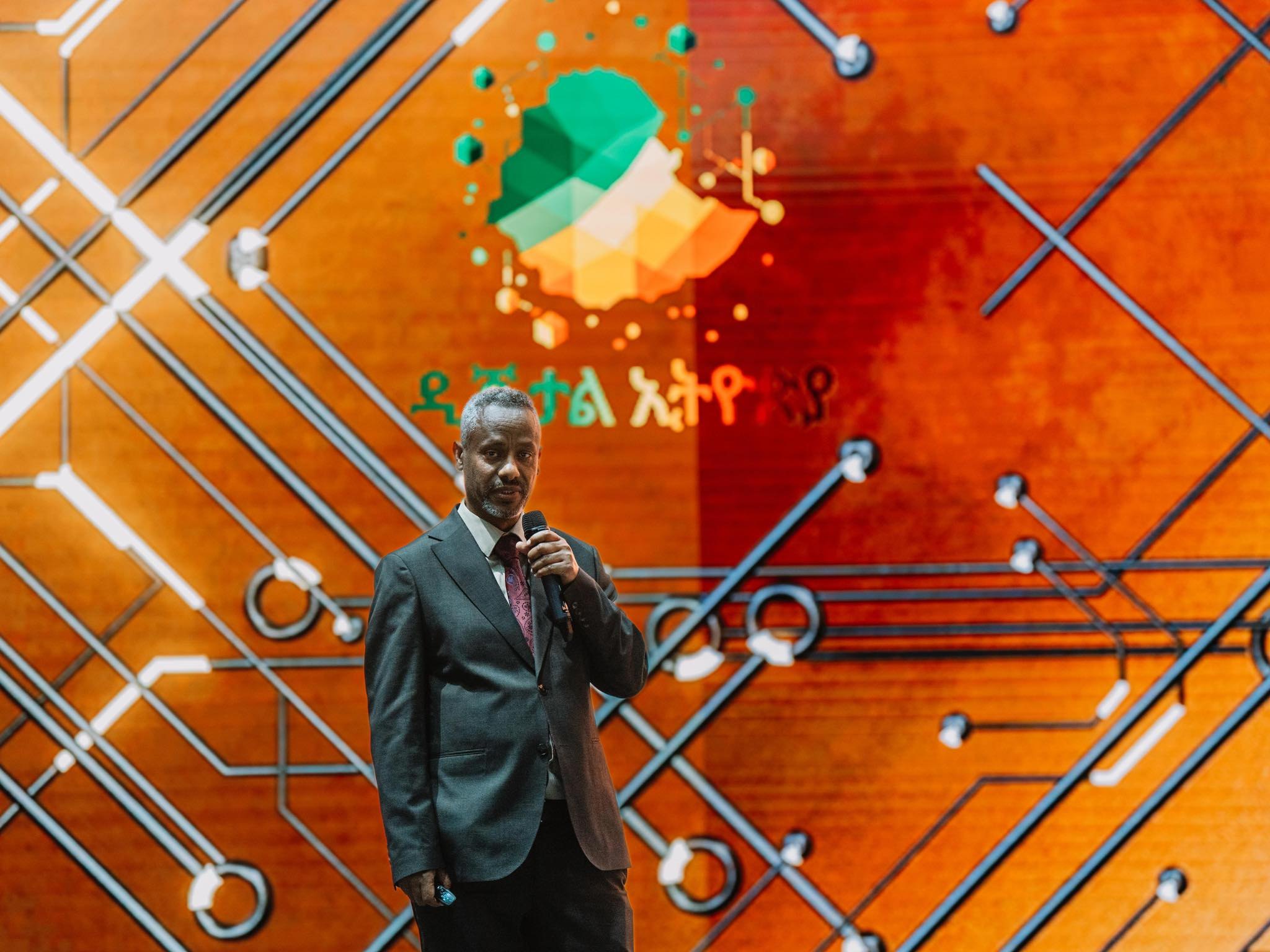
Dawit Woubshet, State Minister of Revenues, said the strategy will expand Ethiopia’s tax collection capacity through digitalization. He highlighted that around 58,000 taxpayers are currently declaring taxes digitally, of which more than 33,000 have completed payments electronically.
Dawit explained that the Ministry is implementing an interoperable, integrated, and technology-rich system in collaboration with other institutions, enabling pre-assessment of expected revenue and reducing human contact in transactions.
He also noted the significant growth in revenue collection, with total revenue increasing from 279.44 billion birr in 2020/21 to over 900 billion birr in 2024/25, and that the Ministry is targeting 1 trillion birr for the current fiscal year. These efforts, he said, will strengthen digital governance and transparency while improving the culture and efficiency of tax administration.

For his part, Muluken Kere, State Minister for Innovation and Technology, underscored that startups and digital skills development are key pillars of Digital Ethiopia 2030. He explained that by 2030, 70 percent of the population is expected to achieve digital literacy, 80 percent of government employees will be digitally skilled, and 10 million citizens will receive formal digital skills training.
Muluken added that the strategy will support 5,000 operational startups, create 1 million jobs in the digital sector, and contribute 12 percent to national GDP.
He said the plan aims to make Ethiopia’s digital sector a driver of inclusive technological growth, foreign direct investment, and innovation. The strategy also includes initiatives to strengthen the workforce, transform technology education, and create a productive ecosystem for sustainable digital transformation.
Collectively, the officials emphasized that Digital Ethiopia 2030 will enhance public digital infrastructure, expand access to services, ensure interoperability across government systems, strengthen national cybersecurity, and empower citizens and institutions.
They noted that these measures are central to building a vibrant, inclusive, and sovereign digital ecosystem capable of supporting Ethiopia’s socio-economic development.