
UAE researchers develop nanocellulose technology to improve sandy soils
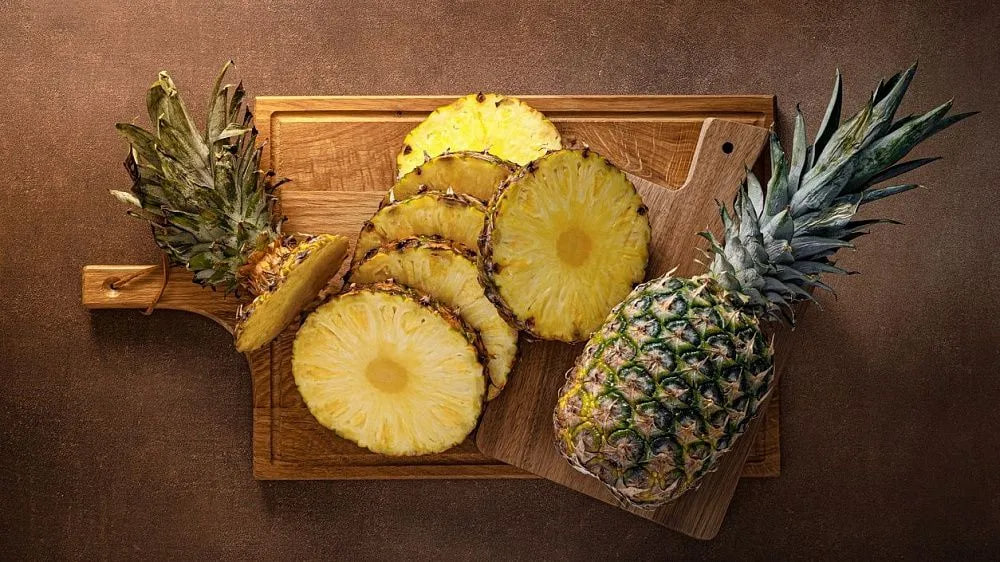
Addis Ababa, February 9, 2026 (FMC) – Abu Dhabi’s Khalifa University has announced the development of a low-cost, sustainable technology aimed at improving the properties of sandy soils using nanocellulose fibres extracted from pineapple peels. The initiative targets key regional challenges, including water scarcity, low soil fertility and food security in arid environments.
The research demonstrates that nanocellulose fibres can improve soil water retention, mechanical strength and nutrient availability, transforming sandy soil into more fertile land, TV BRICS reported, citing its UAE partner media Emirates News Agency (WAM).
Researchers also examined how combining nanocellulose with soil affects stability over time, nutrient retention, and support for plant growth. The findings suggest that treated soils maintain structure and fertility more effectively, potentially enabling more productive agricultural use in dry regions.
Professor Ebrahim Al Hajri, President of Khalifa University, said the technology reflects the university’s commitment to regional needs and aligns with the UAE’s strategic goals in food security and water management. He highlighted that the method is scalable, cost-effective and leverages local waste materials to restore degraded soils, supporting sustainable agriculture and environmental goals.
The team also highlighted the wider environmental benefits of the technology, noting that repurposing pineapple peels helps reduce wastewhile also contributing to a circular bioeconomy. By turning locally available by-products into valuable soil enhancers, the approach supports sustainable land management and promotes climate-smart agricultural practices across arid regions of the Middle East and North Africa.