
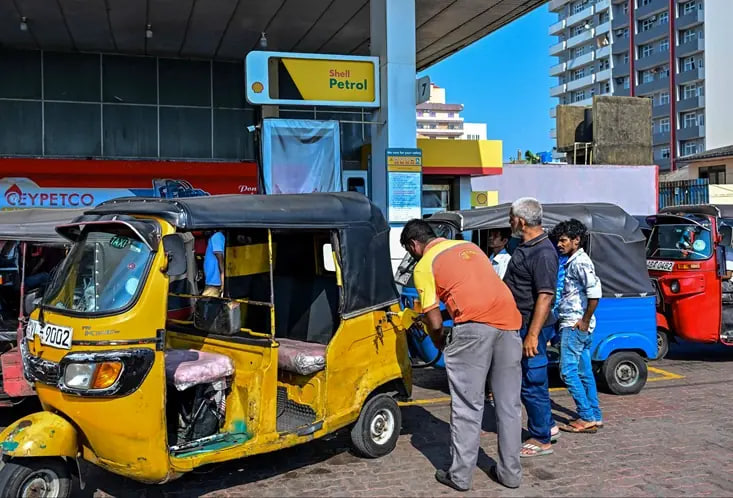
Sri Lanka Introduces Midweek Holiday as Asian Countries Move to Conserve Fuel
Addis Ababa, March 17, 2026 (FMC) — Sri Lanka has declared Wednesdays a public holiday for government institutions as part of measures aimed at conserving fuel amid concerns over potential supply disruptions affecting global energy markets.
According to BBC News, the decision was announced following an emergency meeting chaired by President Anura Kumara Dissanayake, who underscored the need for preparedness in the face of evolving global conditions.
The report indicates that several Asian countries are introducing similar energy-saving measures as supply pressures intensify, particularly along key global shipping routes such as the Strait of Hormuz, a vital corridor for oil flows to Asia.
Across the region, governments have adopted a range of conservation strategies. In Thailand, authorities are encouraging reduced reliance on air conditioning, while Myanmar has introduced alternate-day vehicle usage based on licence plate numbers.
In Bangladesh, universities have adjusted academic schedules alongside planned power interruptions to manage energy demand. Meanwhile, Philippines has implemented remote working arrangements in parts of the public sector and restricted non-essential official travel. President Ferdinand Marcos Jr. has also approved financial support for sectors affected by rising fuel costs.
Similarly, Vietnam is encouraging reduced personal vehicle use and greater reliance on public transport and shared mobility options.
In Sri Lanka, the newly introduced four-day workweek will also extend to schools and universities, while essential public services will continue uninterrupted. Authorities noted that Wednesday was selected to avoid extended closures of government offices.
Additionally, a fuel rationing system is in place, requiring motorists to register for a national fuel pass, which limits the volume of fuel purchases. The system was previously introduced during earlier economic challenges and has been reinstated as part of ongoing conservation efforts.
Global oil prices have risen in recent weeks, contributing to increased cost pressures and prompting governments to adopt measures aimed at managing consumption and ensuring supply stability, the BBC News report noted.