
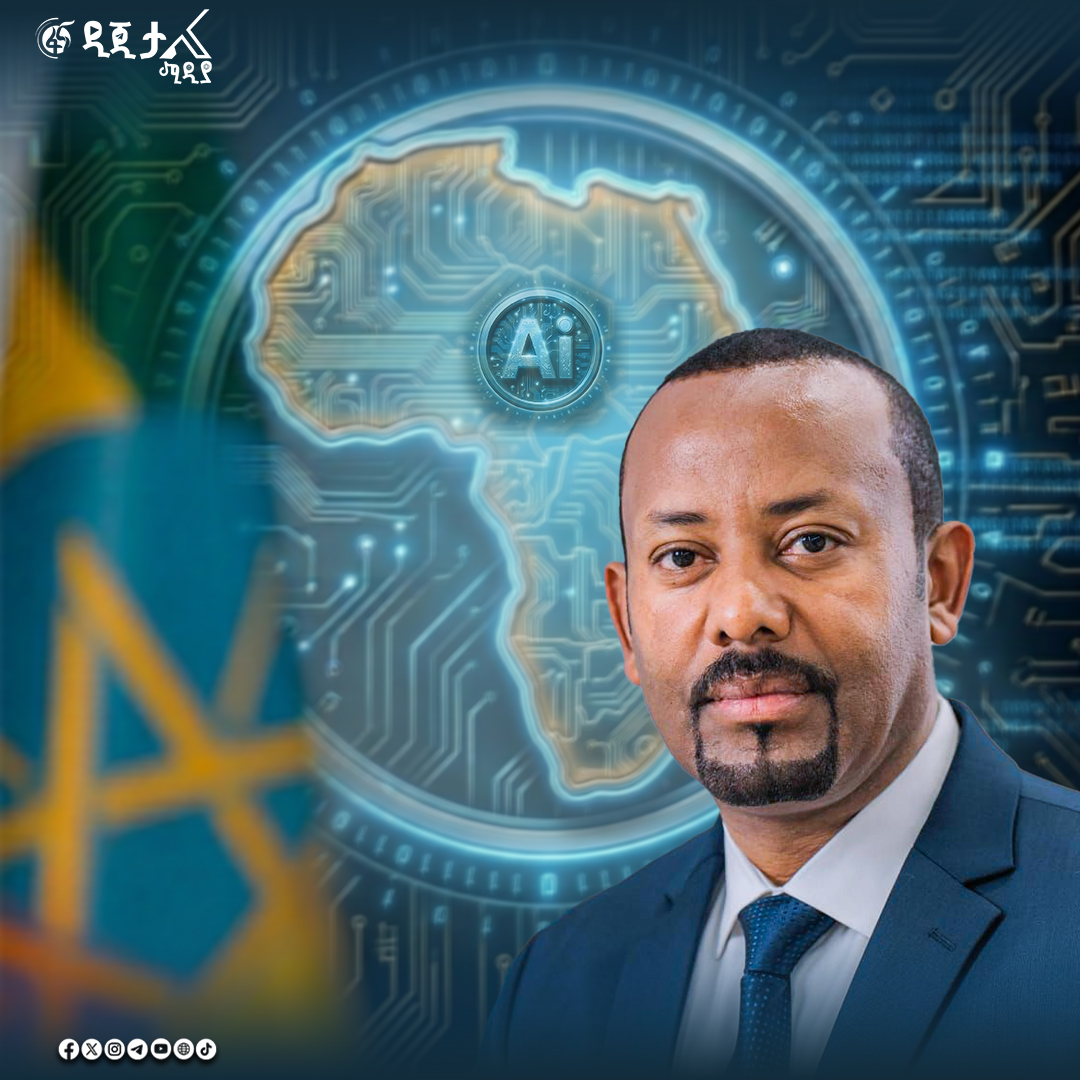
Why Ethiopia’s Digital Reforms Led to AU AI and Health Appointment
Addis Ababa, April 24, 2026 (FMC) – Ethiopia’s sustained reforms in digital transformation, artificial intelligence, and digital health since 2018 have reshaped the country’s governance architecture and innovation ecosystem through a structured national development agenda aimed at embedding technology into public administration, service delivery, and long-term economic modernization.
These reforms have unfolded through a phased national framework, beginning with Digital Ethiopia 2025, which established foundational digital infrastructure and governance systems, and continuing under the Digital Ethiopia 2030 strategy, which expands the scope of transformation toward deeper integration of digital technologies, innovation systems, and emerging technologies across all sectors of development.
Within this long-term transformation process, Ethiopia has advanced the rollout of e-government systems, expanded digital public infrastructure, and developed coordinated national frameworks for artificial intelligence and innovation-driven development, supported by investments in institutional capacity and digital skills programs.
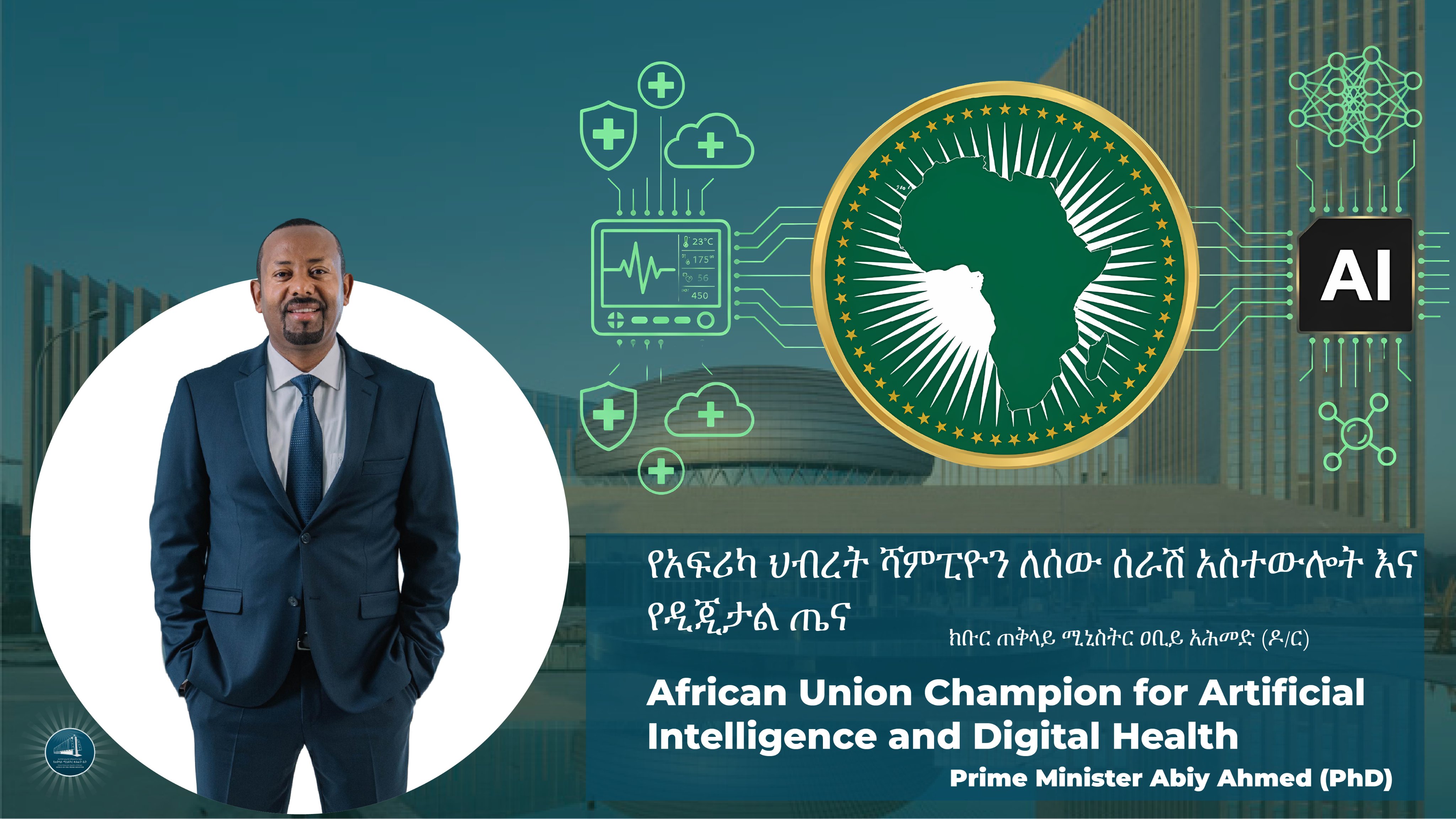
These accumulated reforms have contributed to Ethiopia’s growing visibility in continental digital policy discussions and have culminated in the African Union’s appointment of Ethiopian Prime Minister Abiy Ahmed as Champion for Artificial Intelligence and Digital Health by the African Union.
The appointment reflects recognition of Ethiopia’s evolving engagement in artificial intelligence and digital health systems across Africa, particularly in relation to governance modernization, innovation capacity building, and the integration of emerging technologies into public service frameworks.
A central pillar of this transformation has been the expansion of digital infrastructure, which has improved national connectivity and enabled the gradual digitization of government systems and service delivery mechanisms.
This foundation has supported the development of Fayda, Ethiopia’s national digital identification system, which functions as a core layer of digital public infrastructure. Fayda enables secure identity verification and facilitates access to a growing range of public and private services, forming a key enabler of the country’s digital governance system.
Building on this infrastructure, Ethiopia has implemented the rollout of e-government services, with digital platforms increasingly used to improve administrative efficiency, strengthen institutional coordination, and expand access to public services.
Public sector modernization efforts have also integrated digital tools into internal government workflows, enhancing responsiveness, reducing fragmentation, and improving coordination across institutions.
Ethiopia has established the Ethiopian Artificial Intelligence Institute, which provides institutional coordination for research, policy development, and capacity building in emerging technologies.
This institutional framework is reinforced by a national artificial intelligence strategy that defines the application of AI across governance, economic development, health, agriculture, and broader social systems, positioning AI as a structured policy instrument within national development planning.
Human capital development has been a central pillar of Ethiopia’s digital transformation agenda.
The “5 Million Ethiopian Coders” initiative has been launched to expand digital literacy and programming capacity among young people, creating a broad base of technical skills for the digital economy.
Complementing this, AI-focused training programs, including structured youth summer camps, have been introduced to strengthen early-stage exposure to emerging technologies and support future workforce development.
In parallel, plans are underway to establish a dedicated Artificial Intelligence University, aimed at advancing specialized education, high-level research, and technical expertise in artificial intelligence and related disciplines.
Ethiopia’s reform agenda also includes the development of structured innovation ecosystems that connect universities, research institutions, and innovation hubs to support applied research, entrepreneurship, and technology-driven development.
Across sectors, artificial intelligence is increasingly positioned as a cross-cutting enabling layer within Ethiopia’s digital transformation framework, linking governance modernization, service delivery systems, innovation ecosystems, skills development, and sectoral reform into a unified national development architecture.
In the health sector, digital transformation initiatives have increasingly integrated technology-based systems aimed at improving service delivery efficiency, expanding access to care, and strengthening coordination within national health systems.
These developments align with broader national priorities to modernize public health delivery through digital tools and to support system-wide efficiency improvements.
Collectively, these developments reflect Ethiopia’s structured and sustained transformation under its digital reform agenda, positioning the country within Africa’s evolving artificial intelligence and digital health landscape.
It is within this broader trajectory that Ethiopia’s reform architecture has gained continental visibility, forming the backdrop to the African Union’s decision to appoint its Prime Minister in advancing artificial intelligence and digital health across the continent.
By Mesafint Brlie