
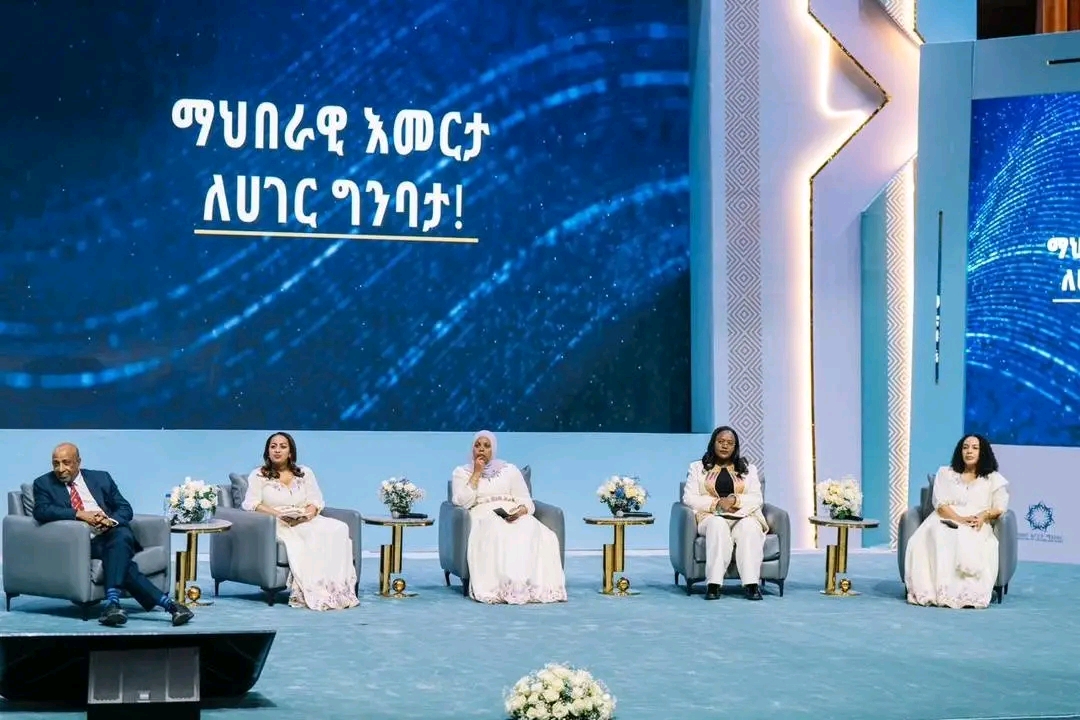
Ministers highlight major social sector reforms driving education, health, jobs, and cultural development
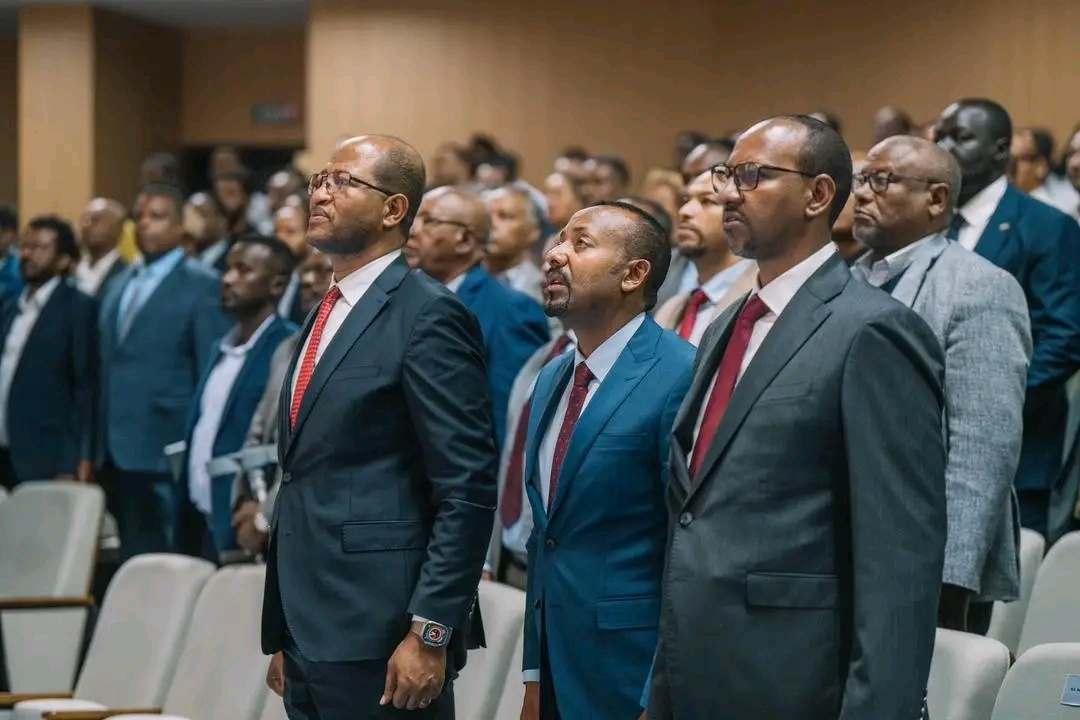
Addis Ababa, April 28, 2026 (FMC) – Ethiopia has made significant strides across education, healthcare, labor, social affairs, and cultural sectors, government ministers reported at a national consultative forum attended by Prime Minister Abiy Ahmed.
The forum, organized under the theme “Social Development for Nation Building,” reviewed the achievements of the past eight years and set the agenda for continued progress.
Education reforms were outlined by Education Minister Prof. Berhanu Nega, who said the sector has been transformed from one characterized by poor infrastructure, teacher shortages, limited pre-primary access, and weak standards.
Prof. Berhanu highlighted the introduction of a new curriculum, mass textbook distribution, comprehensive teacher training programs, expansion of pre-primary education, higher education reforms, ICT integration, and strengthened national examination integrity.
“These reforms have raised the overall quality of education and equipped students with the skills required for Ethiopia’s future,” he said.
Health Minister Dr. Mekdes Daba presented achievements in modernizing the healthcare system, including the updating of a 30-year-old health policy to balance curative and preventive care.
Dr. Mekdes pointed to stronger institutions, expanded infrastructure, improved medicine and vaccine supply chains, enhanced financing, gains in epidemic control and primary care, workforce expansion, and digital health initiatives.
She also noted Ethiopia’s growing role in regional and global health diplomacy, reflecting the country’s increasing influence in continental health affairs.
On the labor front, Minister for Labour and Skills, Muferihat Kamil, said nearly 20 million jobs have been created since the reform period, spanning local, international, and remote opportunities.
She cited stronger entrepreneurship support, business incubation centers, expanded partnerships, establishment of centers of excellence, and full digitalization of the Technical and Vocational Education and Training (TVET) system as key drivers of employment growth.
Minister for Women and Social Affairs, Ergogie Tesfaye, detailed social sector reforms targeting inclusion and empowerment.
Her ministry’s initiatives have empowered 4.3 million youth and 26.8 million women economically, expanded social services for disaster-affected populations, rehabilitated street-dwelling citizens, improved disability support, and strengthened community-based care systems.
“Our reforms aim to protect rights, enhance participation, and build institutions that empower citizens across Ethiopia,” she said.
Cultural and sports reforms were presented by Minister for Culture, Arts and Sports, Shewit Shanka, who noted a surge in investment and recognition of national heritage.
Key achievements include the official recognition of 83 cultural festivals, the establishment of 36 new cultural centers, implementation of a digital heritage system, adoption of new cultural and multilingual policies, expansion of libraries, and over 17,000 new sports facilities, including the Adey Abeba Stadium.
“Culture and sports have become central to national unity, diplomacy, and international
The forum concluded with discussions on sustaining these reforms, addressing gaps, and planning future strategies to maintain inclusive development. Ministers emphasized the importance of continued coordination, monitoring, and innovative policy approaches to consolidate gains across Ethiopia’s education, health, labor, social, and cultural sectors.