
High Turnout, Orderly Voting and Extended Queues Define Ethiopia’s Election Day, IGAD Observers Report
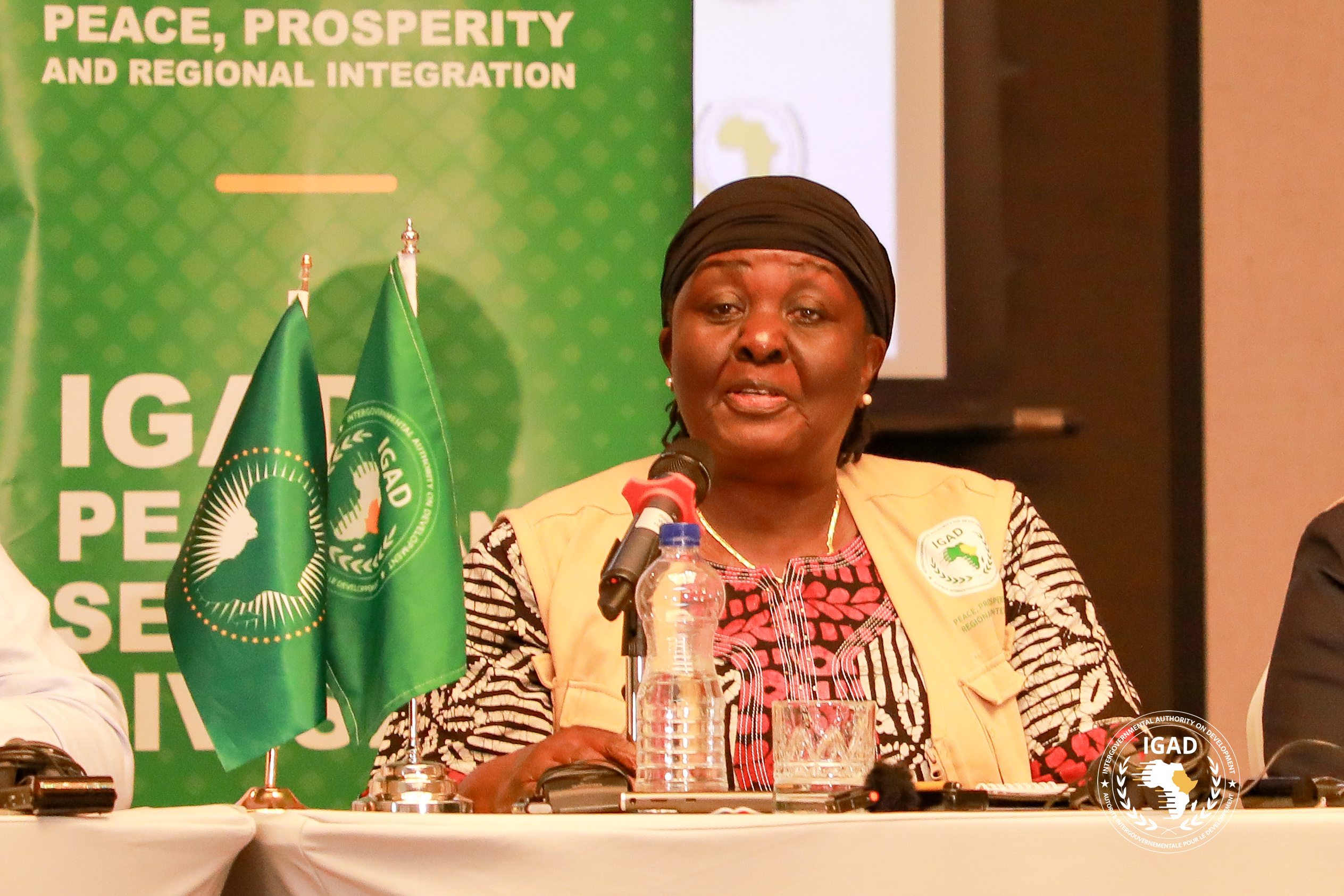
Addis Ababa, June 3, 2026 (FMC) — Ethiopia’s 7th General Election day was marked by steady voter flow, extended queues, and generally peaceful participation across polling stations observed by the IGAD Election Observation Mission, according to its preliminary findings.
Rather than isolated incidents, observers described a continuous rhythm of civic activity from early morning through extended evening hours, particularly in urban centers such as Addis Ababa and Dire Dawa, where voting was extended to accommodate citizens still in queues at closing time.
IGAD deployed 26 observers in 11 teams across seven regions and city administrations, visiting 208 polling stations in both urban and rural settings to observe opening procedures, voting processes, and closing arrangements.
Across the stations visited, polling stations were opened on time and were found to be adequately prepared with voting materials and assigned personnel in place. Ballot boxes were properly sealed, and voting arrangements were described as orderly and structured.
Observers noted that voter movement within polling stations remained generally smooth, with systems in place that allowed people to cast ballots without significant disruption despite high turnout in many areas.
The presence of election materials was reported as consistent throughout the day, ensuring uninterrupted voting in the locations covered by the mission.
Political party agents were present in a majority of polling stations visited, with representation noted particularly from the Prosperity Party, while other party agents appeared in selected stations depending on regional coverage.
Domestic observer groups also maintained a visible presence. The Coalition of Ethiopian Civil Society Organizations for Elections (CECOE) deployed observers nationwide and operated a centralized monitoring system, while the Ethiopian Human Rights Commission also tracked developments through field observers and a coordination mechanism.
Security personnel, mainly police officers, were deployed at all observed polling stations. Their conduct was described as professional and non-intrusive, contributing to a calm and orderly environment.
Priority access was given to elderly voters, women with children, and persons with disabilities, reflecting structured facilitation measures at polling stations.
In several locations, voters were observed waiting for extended periods in long queues that began forming early in the morning, with participation continuing steadily into the evening hours.
IGAD noted that turnout remained consistently high across the polling stations visited, with demographic shifts observed throughout the day — older voters and women dominating morning hours, while youth participation increased later in the day.
The mission concluded that voting processes across observed stations were conducted in a peaceful atmosphere, with election officials, security personnel, party representatives, and voters all contributing to an orderly election-day environment.