
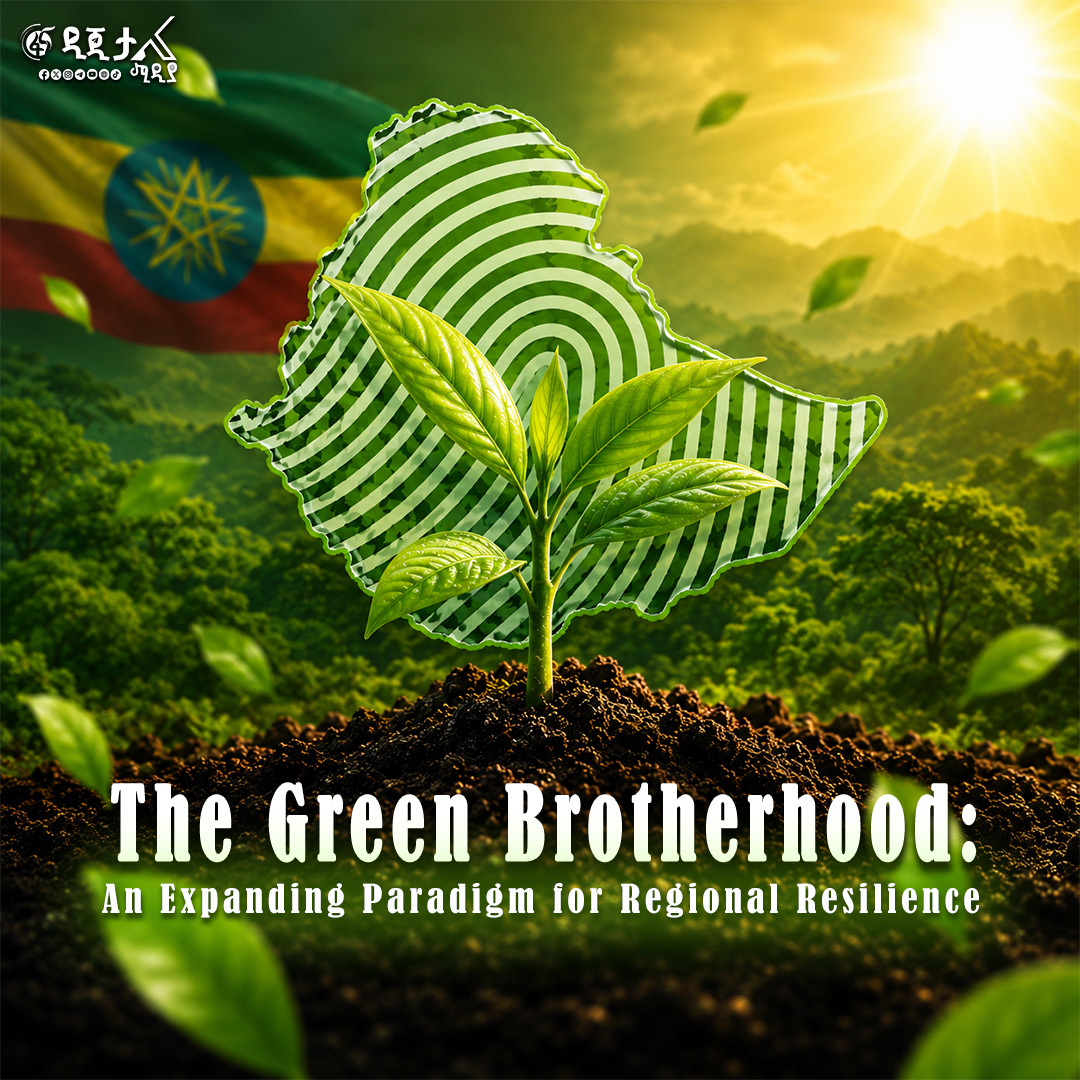
The Green Legacy Story: Rooted in Ethiopia, Resonating Across the World
Addis Ababa, June 19, 2026 (FMC) – Some national transformations do not begin with declarations, but with a redefinition of how a country understands its future. Ethiopia’s Green Legacy Initiative belongs to this category—an effort that emerged as an environmental response and has since evolved into one of the world’s most sustained and large-scale ecological restoration movements.
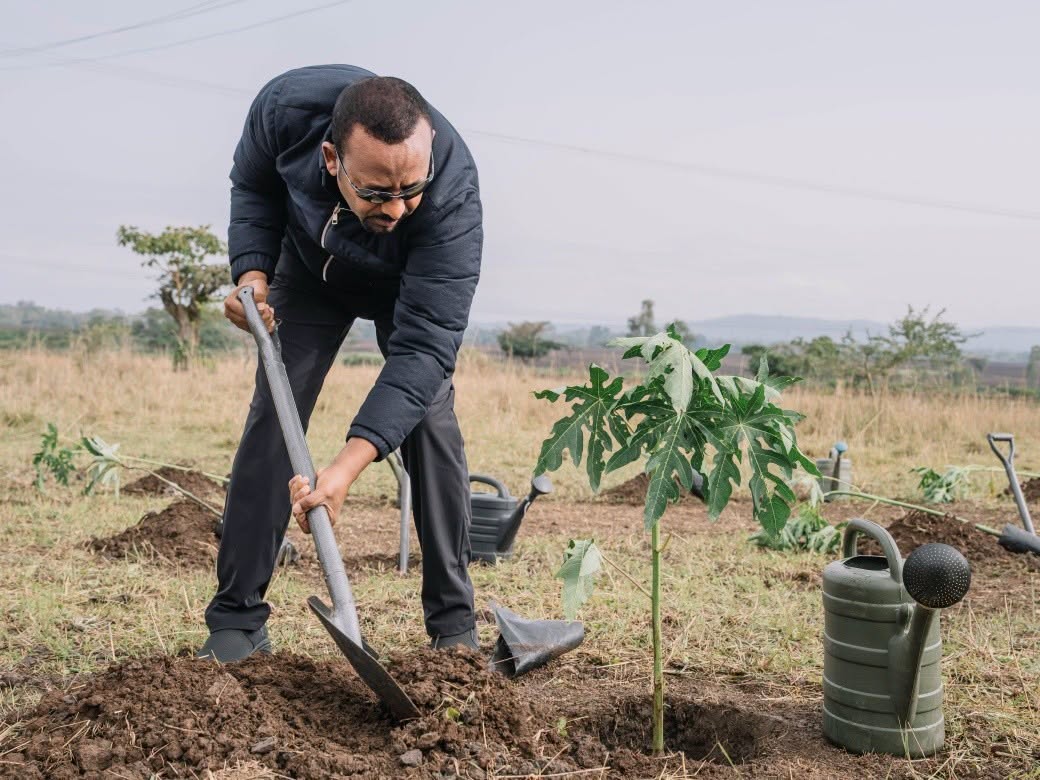
Launched in 2019 under the leadership of Prime Minister Abiy Ahmed (PhD), the initiative was introduced in response to pressing environmental challenges including deforestation, land degradation, soil erosion, and climate vulnerability. From the outset, it was framed as a long-term national commitment to restore ecological balance while linking environmental recovery to broader development priorities such as economic resilience, food security, and climate responsibility.
Across successive campaign launches since 2019, the Prime Minister has consistently positioned Green Legacy as a transformational national agenda rather than a seasonal activity, emphasizing tree planting as a civic culture rooted in collective participation and intergenerational responsibility. This framing has helped embed environmental restoration into Ethiopia’s national development outlook.
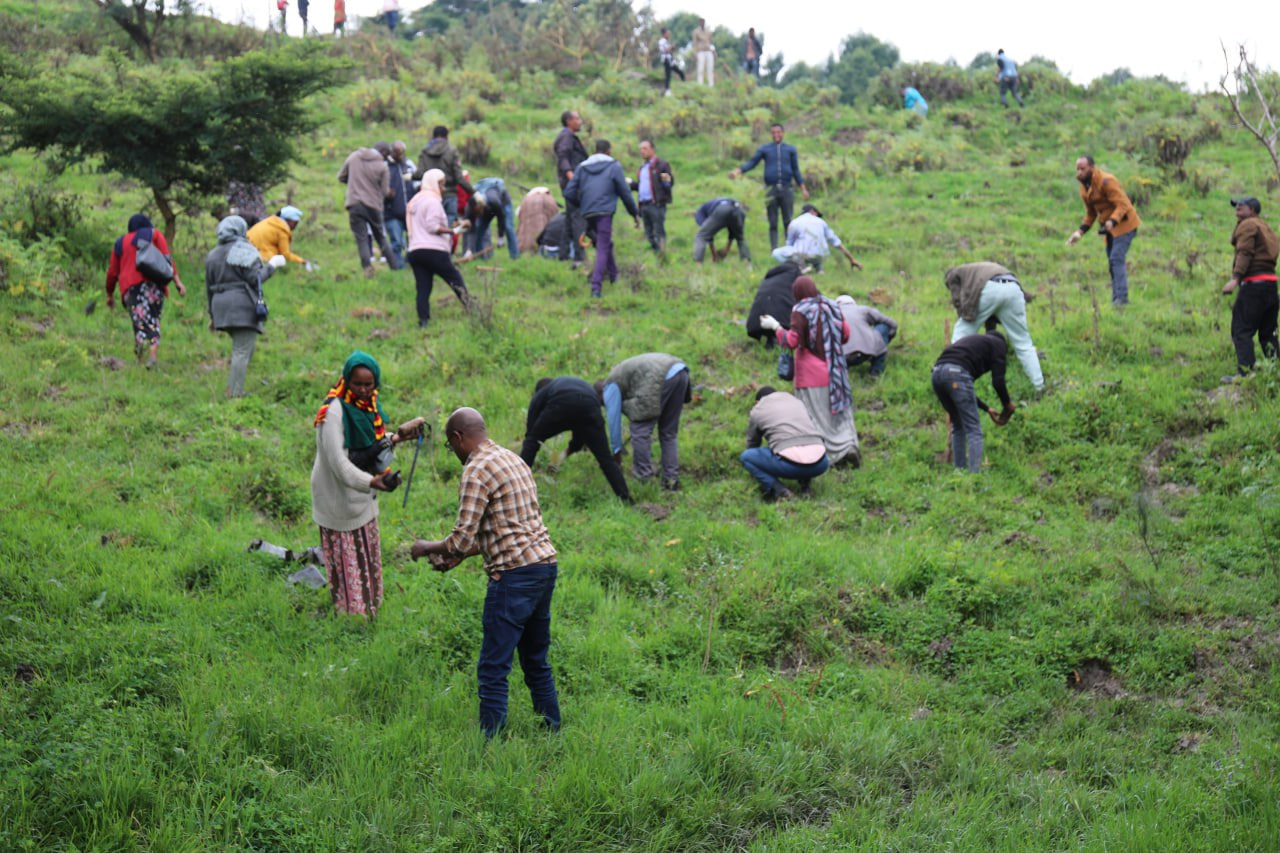
What followed was a nationwide mobilization that turned environmental restoration into a structured civic practice. Each rainy season became a coordinated moment of action, integrating tree planting into the country’s seasonal rhythm across communities, institutions, and citizens.
Since its launch, Ethiopia has planted more than 48 billion seedlings, with the 2026 planting season targeting 8 billion seedlings. The campaign is expected to raise the cumulative total to 56 billion seedlings by the end of the season, marking another milestone in the initiative’s steady progression. During the 2026 Green Legacy launch in Bishoftu at Lake Hora Harsade, Prime Minister Abiy Ahmed reaffirmed this implementation scale and reiterated the long-term national ambition of reaching 65 billion trees by 2027, aligned with Ethiopia’s broader climate commitments and preparations to host the COP32 United Nations Climate Change Conference in Addis Ababa.
Over time, the initiative has expanded beyond afforestation into a structured ecological restoration framework, focusing on integrated landscape rehabilitation, watershed restoration, soil conservation, biodiversity protection, and ecosystem recovery. This systems-based approach treats environmental restoration as interconnected ecological management rather than isolated interventions, strengthening long-term resilience.
At the same time, Green Legacy has become embedded in Ethiopia’s broader development strategy. Agroforestry systems have expanded through the integration of improved fruit tree varieties such as avocado, mango, and papaya, linking environmental restoration with nutrition, income generation, and value-chain development. This has aligned ecological recovery with agricultural transformation and food system resilience.
The program has also supported the expansion of green livelihoods across seedling production, nursery development, planting operations, beekeeping, livestock integration, and ecosystem-based economic activities, positioning environmental action as both restoration and a driver of inclusive green growth.
One of the initiative’s defining features remains its scale of civic participation. Tens of millions of Ethiopians engage annually in planting activities, transforming environmental restoration into a shared national practice embedded in everyday life. This widespread participation has strengthened environmental ownership and deepened public engagement in ecological stewardship.
Beyond domestic implementation, Green Legacy has become an important dimension of Ethiopia’s environmental diplomacy. Visiting heads of state, international organizations, and diplomatic missions based in Addis Ababa regularly participate in tree-planting activities during official engagements, turning environmental action into a recurring diplomatic practice that complements political dialogue and cooperation.
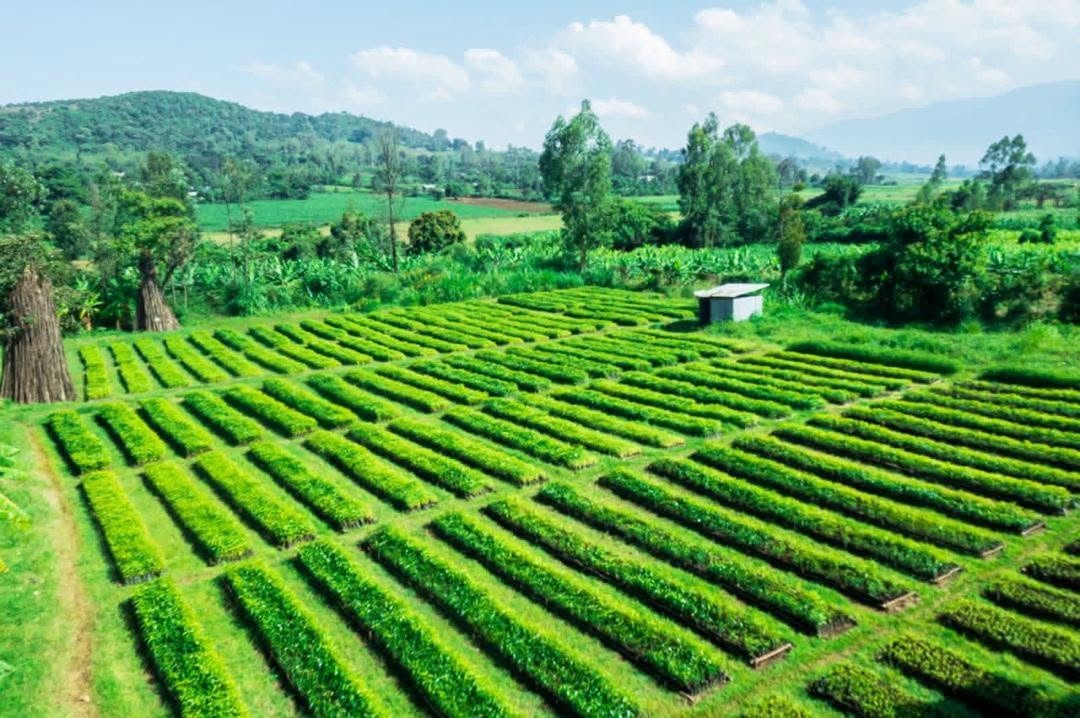
At the regional level, Ethiopia has expanded environmental cooperation with neighboring countries including Kenya, Somalia, Djibouti, South Sudan, and Sudan, focusing on experience-sharing in seedling production, watershed management, agroforestry practices, and climate resilience strategies. In Somalia, including areas such as Puntland, cooperative efforts have included seedling sharing and restoration support, reflecting practical collaboration in fragile ecological contexts.
This regional engagement aligns with broader African restoration frameworks such as the Great Green Wall Initiative, where Ethiopia participates in continental efforts to combat land degradation and strengthen climate resilience across interconnected ecosystems.
Beyond Africa, Ethiopia’s experience has contributed to global discussions on large-scale afforestation and ecosystem restoration. In countries such as Pakistan, mass tree-planting and restoration approaches reflect a wider global shift toward nature-based solutions and citizen-driven environmental action, underscoring the international resonance of scalable ecological models.
Ethiopia’s environmental role has been further reinforced through its convening capacity in climate diplomacy. The country hosted the 2nd Africa Climate Summit in 2025, alongside other continental and international climate-related conferences and forums in Addis Ababa. These platforms have strengthened Ethiopia’s position as a hub for climate dialogue in Africa, particularly on adaptation, restoration, and nature-based solutions.
Within this evolving framework, Green Legacy functions as part of Ethiopia’s broader Climate Resilient Green Economy strategy, linking environmental restoration with long-term development planning and climate adaptation priorities.
Beyond its environmental and economic dimensions, the initiative reflects a deeper development philosophy rooted in intergenerational responsibility—one that measures progress not only through infrastructure or economic expansion, but also through the condition of ecosystems inherited by future generations.
As the initiative continues to evolve, its significance lies not only in what has been achieved, but in how it has reshaped national understanding of environment and development.
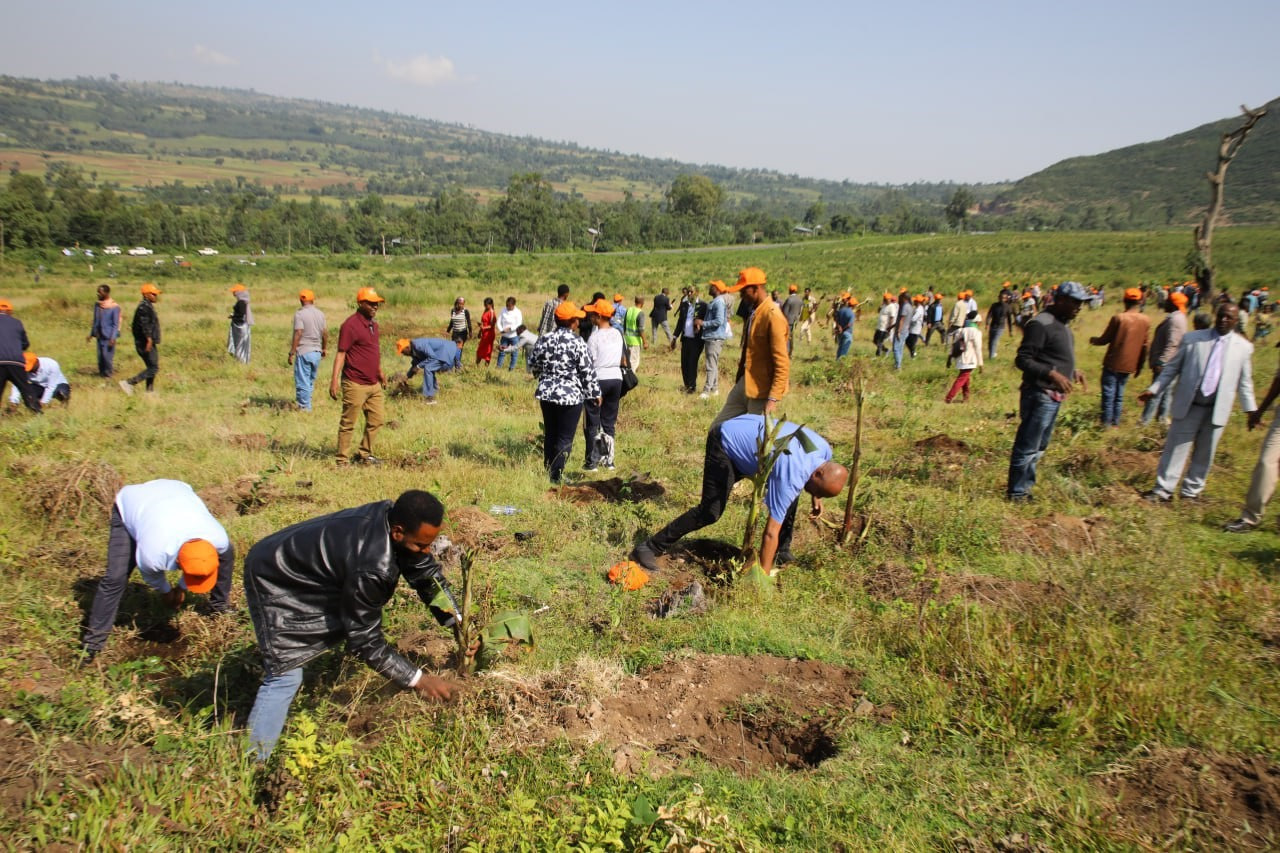
In its scale, continuity, civic participation, and expanding international engagement, Green Legacy has become one of Ethiopia’s most defining contributions to contemporary environmental action. Rooted in the country’s landscape and increasingly visible beyond its borders, its influence continues to expand through regional cooperation, climate diplomacy, and shared environmental practice.
Long after each planting season concludes, the deeper legacy continues to grow—reflected in restored ecosystems, strengthened communities, and a national vision that increasingly sees the environment not as the backdrop of development, but as its foundation.