
𝗔 𝗡𝗔𝗥𝗥𝗔𝗧𝗜𝗩𝗘 𝗥𝗘𝗩𝗘𝗥𝗦𝗔𝗟 𝗜𝗡 𝗚𝗢𝗟𝗗𝗘𝗡 𝗚𝗥𝗔𝗜𝗡: 𝗛𝗢𝗪 𝗘𝗧𝗛𝗜𝗢𝗣𝗜𝗔 𝗧𝗥𝗔𝗡𝗦𝗙𝗢𝗥𝗠𝗘𝗗 𝗜𝗧𝗦 𝗪𝗛𝗘𝗔𝗧 𝗦𝗧𝗢𝗥𝗬
Addis Ababa, July 10, 2026 (FMC) — For few decades, #Ethiopia’s agricultural story was often viewed through the lens of food shortages, drought challenges, and dependence on external assistance.
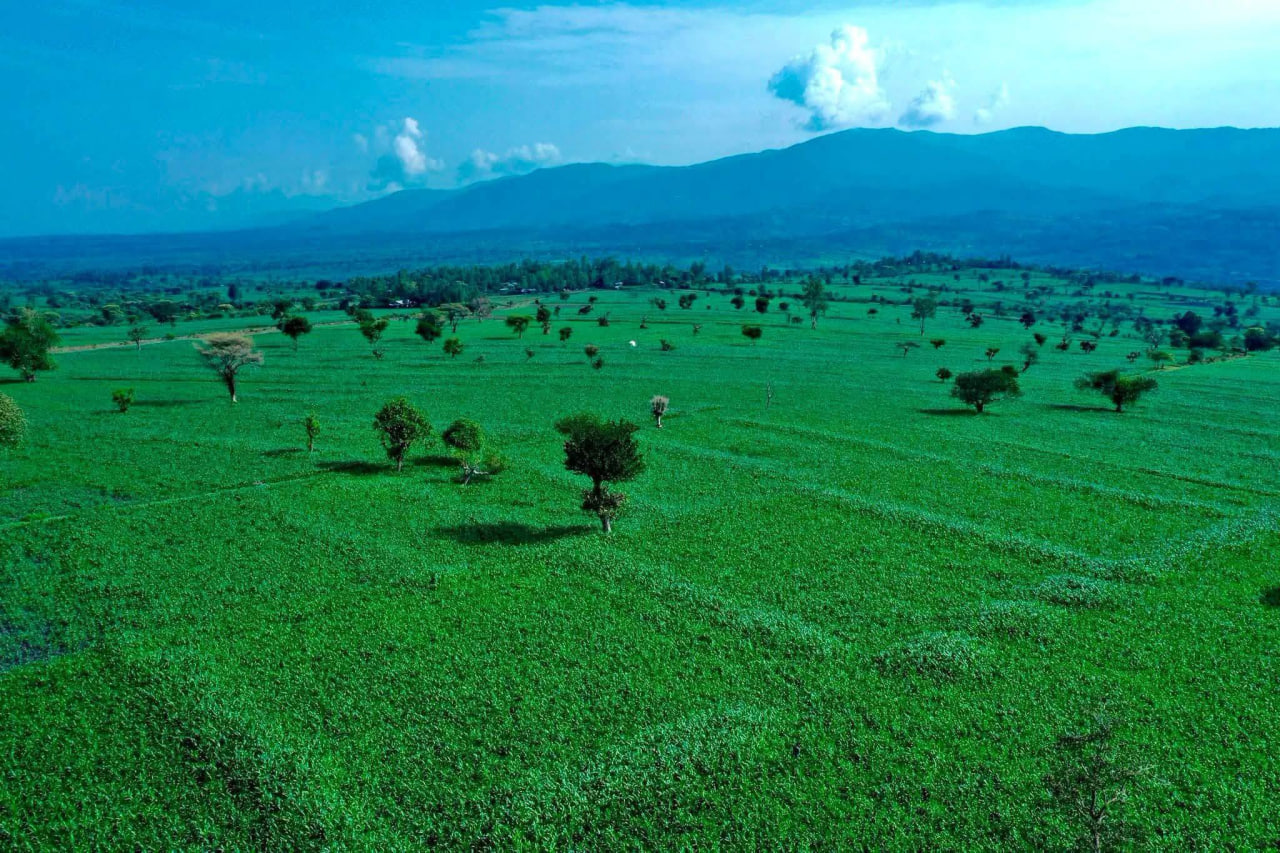
Today, a different narrative is taking shape from the country’s fields: one defined by rising productivity, expanding self-reliance, and a transformation that has positioned Ethiopia as a leading wheat producer in Africa.
The shift did not happen by chance. It emerged from a deliberate agricultural transformation strategy pursued under the leadership of Prime Minister Abiy Ahmed, which placed renewed emphasis on unlocking Ethiopia’s agricultural potential, expanding irrigation-based farming, improving productivity, and enabling farmers to produce beyond traditional seasonal limits.
At the heart of this transformation is wheat—a crop that has become one of the strongest symbols of Ethiopia’s changing agricultural landscape.
Once heavily dependent on wheat imports to meet domestic demand, Ethiopia has now achieved surplus production, created export opportunities, and demonstrated its capacity to become a major player in Africa’s wheat sector.
The achievement represents a fundamental change in the country’s approach to agriculture. For decades, Ethiopian farming was largely shaped by rain-fed production systems, leaving productivity vulnerable to climate variability.
The reform-driven shift toward irrigation development has opened a new chapter, allowing agricultural production to continue throughout the year and making greater use of the country’s natural resources.
A central pillar of this transformation has been the expansion of irrigated wheat production, particularly through the promotion of summer wheat cultivation.
The initiative challenged the long-held assumption that wheat production was limited by seasonal rainfall and demonstrated the possibility of utilizing Ethiopia’s land and water resources more effectively.
The guiding principle behind the effort has been that Ethiopia’s agricultural potential should be fully utilized to feed its people, strengthen economic independence, and reduce reliance on imports.
This vision has driven reforms aimed at improving access to agricultural inputs, strengthening extension services, promoting mechanization, and encouraging modern farming practices.
The results have changed Ethiopia’s position in the regional agricultural landscape.
The country’s rise as Africa’s leading wheat producer has drawn international attention and recognition, marking one of the most visible examples of how coordinated policy direction, resource mobilization, and farmer participation can transform an agricultural sector.
The transformation has also been recognized at the international level, including through agriculture-related acknowledgements highlighting Ethiopia’s efforts in advancing food systems transformation and agricultural development.
Such recognition reflects the growing attention given to Ethiopia’s approach of combining policy reform, increased productivity, and sustainable resource utilization.
Beyond wheat, the agricultural reform agenda has sought to reshape the sector as a foundation for broader economic transformation. By increasing domestic production, Ethiopia is working to strengthen food security, reduce import dependence, support agro-industrial development, and create new opportunities across rural communities.
The progress has been driven not only by government policy but also by the commitment of millions of farmers who have translated reform initiatives into tangible results. Their contribution remains central to Ethiopia’s agricultural transformation, turning national strategies into productivity gains across the countryside.
The shift from dependence toward self-reliance reflects a broader ambition to reposition agriculture from a sector associated mainly with survival challenges into a productive force capable of supporting economic growth and national resilience.
Ethiopia’s wheat success story therefore represents more than an agricultural achievement. It symbolizes a changing national narrative—one in which the country’s land, resources, farmers, and reform efforts are increasingly being harnessed to build food security and economic confidence.
From fields once viewed through the lens of vulnerability, a new story is emerging: Ethiopia’s journey from food concern to agricultural leadership.