
“Made in Ethiopia” Initiative Powers New Manufacturing Era, Unlocks Export Potential — Minister
Addis Ababa, July 29, 2026 (FMC) — The “Made in Ethiopia” initiative, combined with targeted policy measures and improved access to finance, has played a key role in boosting manufacturing production, expanding exports and advancing import substitution, Industry Minister Melaku Alebel said.
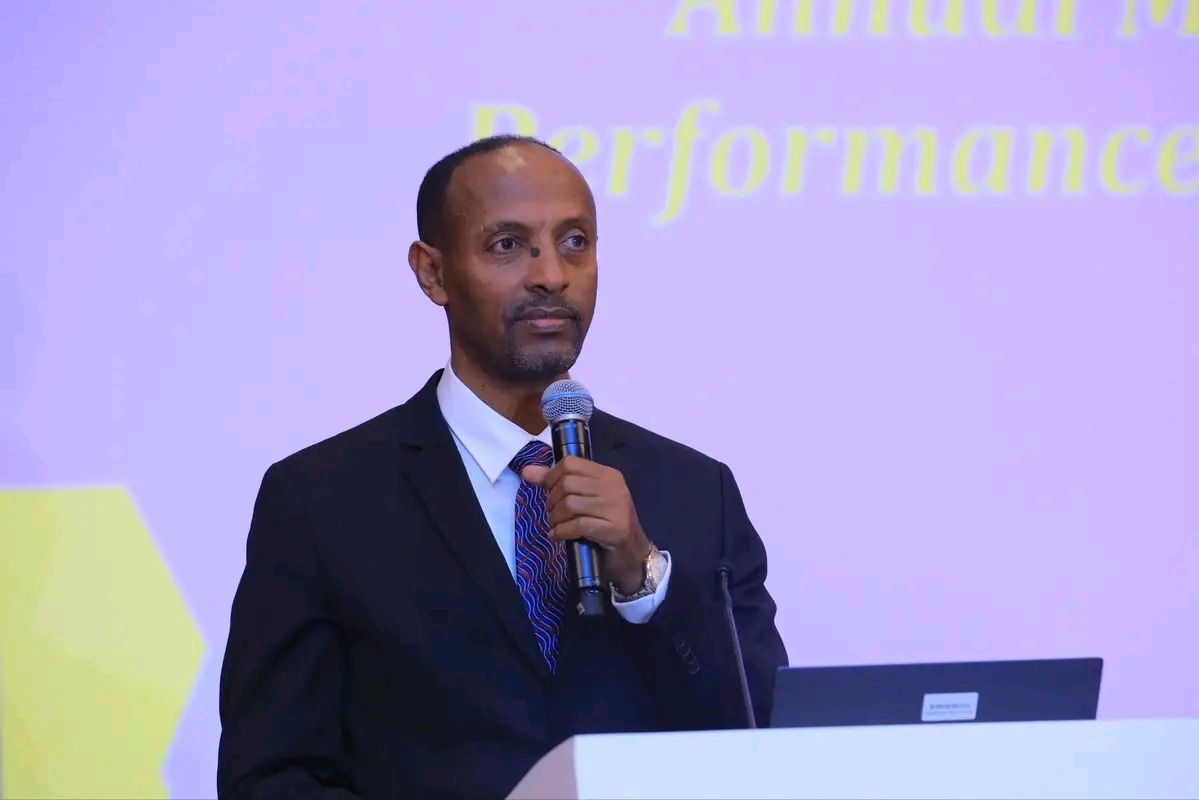
Speaking at a manufacturing export performance review and recognition program, the minister said the sector’s progress reflects the impact of the national “Made in Ethiopia” campaign and the government’s continued support for industrial development.
The forum, he noted, provided an opportunity to assess the manufacturing sector’s performance during the 2018 Ethiopian Fiscal Year, identify priorities for the 2019 Ethiopian Fiscal Year, refine the country’s export strategy and recognize companies making outstanding contributions to manufacturing and export growth.
During the event, Minister Melaku presented certificates and crystal-level awards to companies recognized for their strong manufacturing and export performance in the concluded fiscal year.
He commended the top-performing companies, saying their achievements provide valuable lessons for both domestic and foreign investors seeking to contribute to the expansion of Ethiopia’s manufacturing sector.
The minister emphasized that manufacturing has received special attention from the government due to its potential to transform the national economy, adding that the sector is among the five priority areas identified for development.
According to Melaku, the improved performance of the manufacturing sector is largely attributed to the “Made in Ethiopia” initiative and sustained government support introduced since the 2014 Ethiopian Fiscal Year. He said the measures have helped revive idle factories, attract new investments and expand production capacity.
He highlighted improved access to finance as one of the major achievements of the initiative, noting that manufacturing enterprises received 40 billion Birr in credit when the program was launched, while annual financing available to the sector has now surpassed 115 billion Birr.
The minister further stated that manufacturing’s share of total bank lending has increased from 12 percent to 18.8 percent, while financing allocated to small and medium manufacturing enterprises has reached 5.4 percent.
He said the sector has also expanded production of exportable manufactured goods and generated about 5.9 billion USD in import substitution within a single year.
Ethiopia additionally secured more than 607 million USD in annual export earnings from key manufacturing products, including meat and dairy products, he added.
Despite the progress achieved, Melaku acknowledged remaining challenges, including limited foreign currency availability, shortages of machinery and difficulties in accessing industrial raw materials.
He reaffirmed the government’s commitment to addressing these constraints through continued policy support, expanded financing and targeted interventions aimed at improving competitiveness, increasing production and further strengthening manufacturing exports.