
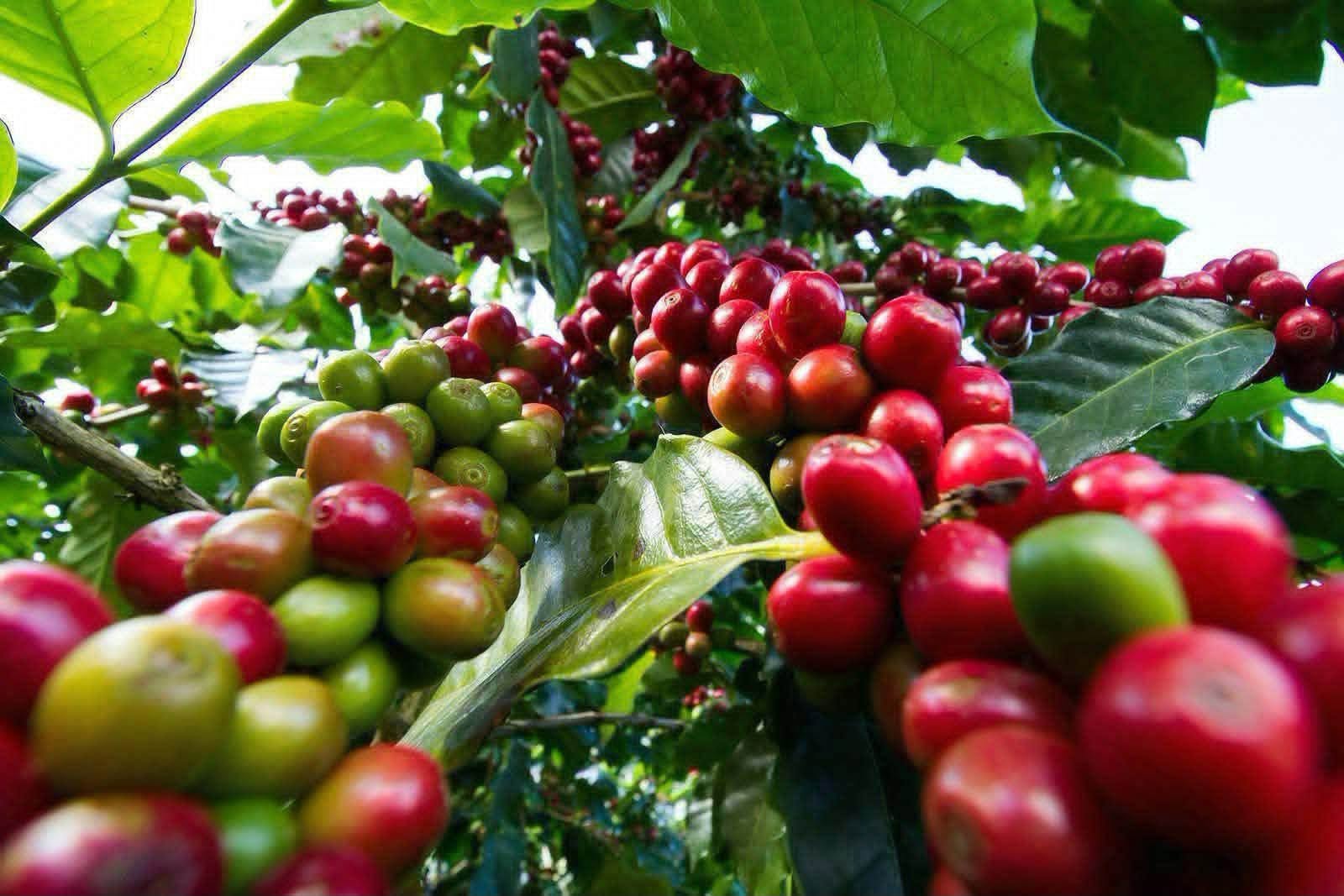
Ethiopia’s Coffee Is Having Its Biggest Economic Moment Yet
Addis Ababa, September 10, 2026 (FMC) — Ethiopia, the origin of coffee, is turning one of its most enduring global legacies into a powerful source of economic transformation, with a surge in production, productivity and exports placing coffee at the heart of a rapidly changing agricultural sector.
Few agricultural products carry such a profound connection to Ethiopia’s history and the wider world.
Coffee is deeply woven into the country’s culture and social life, but its significance today extends far beyond tradition.
For millions of Ethiopians, it remains a source of livelihoods and employment, while for the national economy it has become one of the most important sources of foreign-exchange earnings.
That economic role is now reaching a striking new scale.
According to the Ministry of Agriculture, Ethiopia earned more than $3.1 billion from coffee exports in the completed fiscal year, accounting for the largest share of the country’s agricultural export earnings, which exceeded $4.55 billion.
The magnitude of that achievement becomes clearer over a longer horizon: coffee exports generated about $3.3 billion over the preceding 17 years combined, meaning the latest single-year performance has approached the total earned across nearly two decades.
The figures tell only part of the story. Behind Ethiopia’s coffee exports stands a vast economic network linking producers, processors, traders and exporters, with millions of people directly or indirectly dependent on the sector for income and employment.
What is changing is not simply the amount of coffee Ethiopia produces, but how the country produces, markets and positions it.
Recent agricultural reforms have placed greater emphasis on improved coffee varieties, modern production methods and technologies aimed at raising productivity and expanding output.
The shift is gradually moving the sector beyond its traditional strengths toward a more competitive, technology-supported production system capable of responding to growing international demand.
Market access is changing as well.
The expansion of direct market linkages has enabled producers to connect more closely with international markets, strengthening their competitiveness while creating greater opportunities to capture value and improve incomes.
For a country whose coffee has long travelled across the world, the transformation is increasingly about ensuring that more of the economic value generated by that global journey is retained within Ethiopia.
The environmental dimension is equally important.
Ethiopia’s coffee story is inseparable from its forests, particularly forest coffee ecosystems.
The country’s Green Legacy Initiative has contributed to protecting and expanding forest resources, supporting the ecological foundations on which coffee production depends while strengthening broader climate resilience.
This convergence of agriculture, environment and economic value is becoming increasingly important as climate pressures intensify.
Sustaining the sector’s growth will require not only higher production, but stronger quality-assurance systems, greater value addition and wider adoption of climate-resilient agricultural practices.
The transformation therefore carries significance well beyond coffee itself.
Ethiopia is drawing on an extraordinary natural and historical advantage—the origin of coffee and a country with generations of accumulated knowledge around the crop—while applying modern agricultural technology, improved production systems, stronger market connections and environmental stewardship.
That combination is changing the meaning of Ethiopian coffee in the global economy.
For generations, the world has known Ethiopia through coffee. Increasingly, it is also becoming a story about what Ethiopia is building from that legacy: stronger exports, higher productivity, broader rural livelihoods, greater competitiveness and a more modern agricultural economy.
Coffee remains a defining part of Ethiopia’s heritage.
But its latest rise suggests that the crop is becoming something more: a powerful measure of the country’s agricultural transformation and one of the clearest ways Ethiopia is converting a centuries-old global legacy into contemporary economic strength.