
The Oromo People’s Contributions Run Deep in #Ethiopia’s Statehood and National Survival: PM Abiy
Addis Ababa, August 8, 2026 (FMC) — Prime Minister Abiy Ahmed said the Oromo people have played a profound historical role in the building, defense and survival of #Ethiopia, with their contributions extending from the formation of the country’s modern borders and military institutions to major political, economic and social transformations.
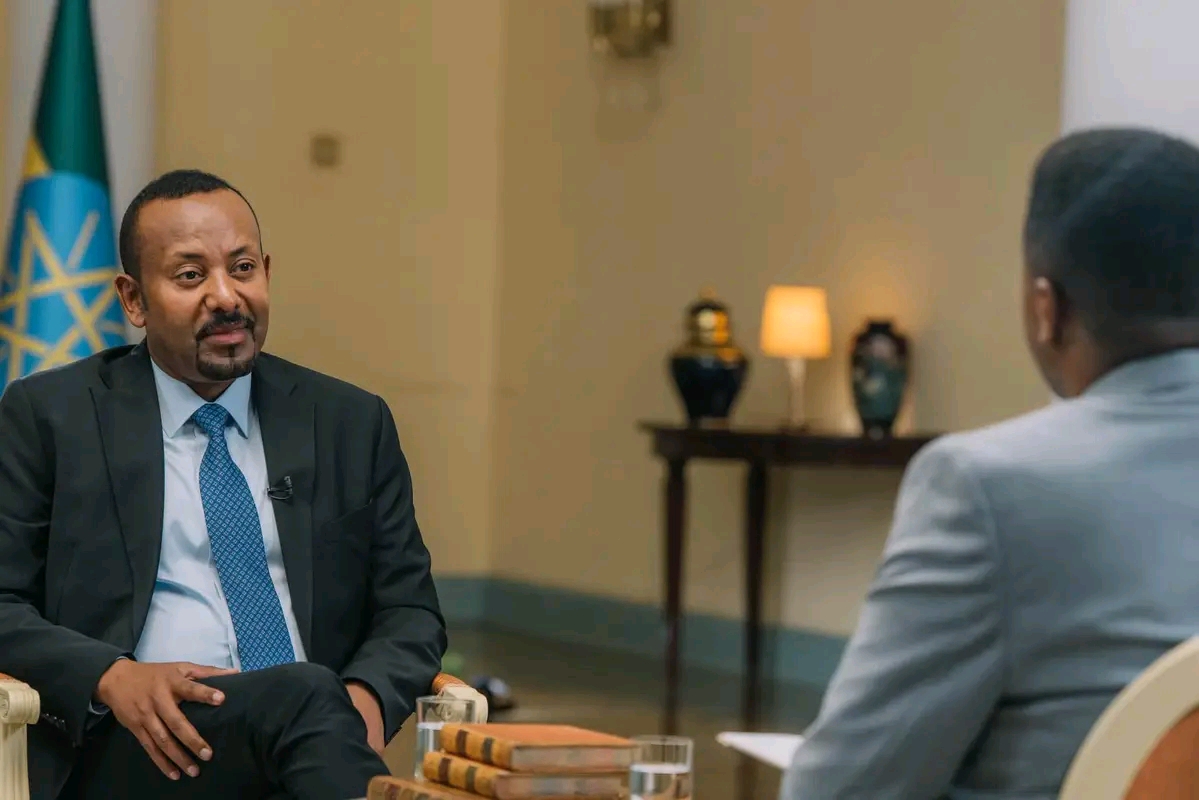
In an interview with local media OBN, aired on Fana Media Corporation platforms on Friday night, Prime Minister Abiy highlighted the historical contributions of the Oromo people to Ethiopia’s state-building process, emphasizing that the country’s history cannot be fully understood without recognizing their role.
He said there has been virtually no major historical development in Ethiopia in which the Oromo people did not participate, adding that they have never stood aside in the country’s state-building journey.
The Prime Minister pointed to the role of Oromo figures in safeguarding Ethiopia’s territorial integrity and building its military institutions. He cited Ras Gobena Dache as one of the prominent figures who played a major role in demarcating Ethiopia’s modern borders during the reign of Emperor Menelik II.
He also highlighted the contribution of Fitawrari Habte Giyorgis Dinegde, known as Abba Mela, to the development of Ethiopia’s modern military, as well as the more recent contribution of General Mulugeta Buli.
Oromo heroes, he added, made notable contributions in some of the defining battles in #Ethiopia’s history, including the Battle of Adwa, the Maichew campaign and the Badme conflict.
The Prime Minister stressed that the contributions of Oromo heroes to the victory at Adwa were particularly significant, saying that minimizing the Oromo people’s contribution to Ethiopia’s state-building would amount to denying historical fact.
He also highlighted Oromo contributions beyond military history, pointing to their role in the development of Ethiopia’s modern bureaucracy, economy and political life.
In this regard, he cited Yilma Deressa as an example of an Oromo figure who made a significant contribution to the development of #Ethiopia’s economic and modern bureaucratic institutions.
He further pointed to the role of Haile Fida and Baro Tumsaa in the student movement and the broader political struggle, including the “land to the tiller” movement, saying their contributions formed part of the successive stages through which the Oromo people’s political journey evolved.
Prime Minister Abiy described this historical journey as one passed from one generation to another, with successive generations building upon the sacrifices and contributions of those who came before them.
He said the Oromo people’s struggle had also contributed to shaping Ethiopia’s political development, while arguing that many of the fundamental questions that once defined the struggle have since received responses.
The Prime Minister said the country’s recent reforms have enabled the Oromo people to exercise greater self-administration, while cultural and identity-related questions that were once major points of contention are no longer the same fundamental challenges they once were.
He stressed that the focus should now shift toward strengthening achievements and undertaking new efforts that improve the people’s benefits and respond to changing needs.
Prime Minister Abiy also rejected narratives that portray the Oromo people’s historical struggle as a struggle against Ethiopia itself, saying the Oromo people had fought oppressive systems rather than Ethiopia and had never sought to betray their country.
He said the Oromo people had paid a significant price for the construction and survival of Ethiopia, making their historical contribution an integral part of the country’s national story.
The Prime Minister further argued that #Ethiopia’s survival as an independent state was itself linked to the sacrifices made by its people, noting that the country avoided colonial rule because generations of Ethiopians paid the ultimate price to defend its sovereignty.
He cited the sacrifices of figures including Gebeyehu, who fought at Adwa, Balcha Safo, who raised Ethiopia’s flag, and other heroes whose contributions, he said, demonstrate the role of the Oromo people in bringing Ethiopians together and strengthening the country’s statehood.
He said recognizing this history should not be about diminishing the sacrifices of others, but about acknowledging the contributions of all those who helped build and defend Ethiopia while addressing historical gaps and moving forward together.