
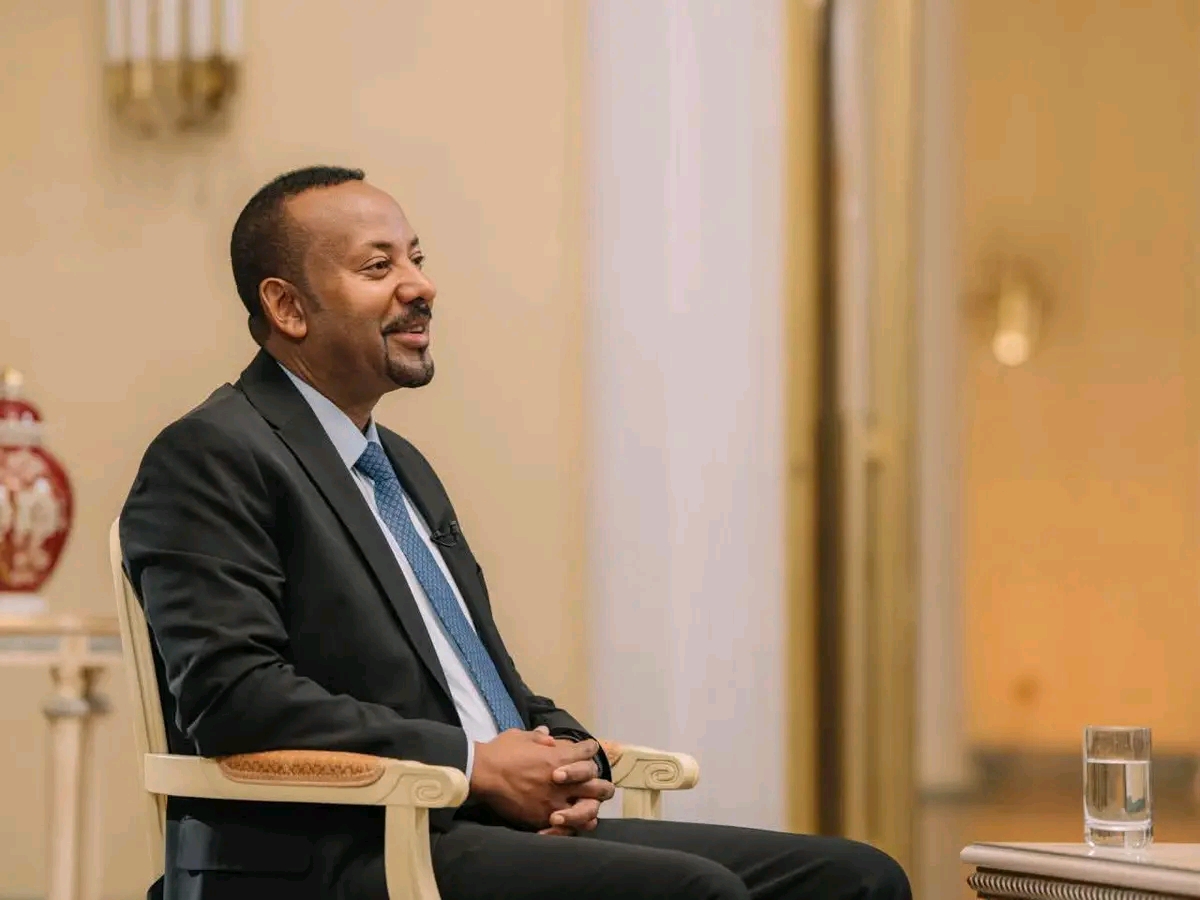
Oromo People’s Journey Shifts From Freedom and Identity to Democracy, Dev’t, Public Benefit – PM Abiy
Addis Ababa, August 8, 2026 (FMC) — Ethiopia’s Prime Minister Abiy Ahmed said the Oromo people’s longstanding questions surrounding identity, land, economic participation and democracy are increasingly finding answers, opening the way for a new phase focused on democratic participation, development and public benefit.
In an interview with local media OBN, aired by Fana Media Corporation on Friday night, the Prime Minister reflected on the historical questions and struggles of the Oromo people, as well as their contribution to Ethiopia’s history and state-building.
He identified economic, identity and democratic questions among the major issues that had shaped the Oromo people’s struggle over the years. In particular, he pointed to concerns over land ownership and the ability to properly express and preserve identity as issues that had fueled the struggle, arguing that these questions are now receiving responses.
Yet, Abiy said, the journey had not always produced the desired results. He attributed part of the delay to difficulties in building and sustaining unity, noting that divisions had emerged at different times along religious, geographic, zonal and local lines.
He also pointed to leadership shortcomings, saying a movement cannot achieve its objectives without a clear strategic vision and the capacity to translate that vision into action. Unnecessary alliances with actors whose interests did not correspond with the Oromo people’s strategic objectives had likewise weakened the effectiveness of the struggle, he said.
Against that historical backdrop, the Prime Minister argued that the Oromo people have now reached a fundamentally different stage. He said the people have achieved freedom and no longer need to look backward in search of liberation from conditions that, in his assessment, have changed fundamentally.
That freedom, he stressed, goes beyond the question of political power. It also means the liberation of the mind—the ability to speak one’s language openly, express one’s identity and pursue aspirations without the restrictions that once defined the lives of earlier generations.
He illustrated the change by pointing to children who can now walk in public speaking Afaan Oromo, asking whether the present generation would face the same fear, shame or restrictions associated with speaking their language in the past.
For the Prime Minister, however, freedom represents only the first major achievement. The next defining question is democracy, which he described as a tradition deeply rooted in the Gadaa system.
He said democracy should not be reduced to the periodic selection of leaders. It also means citizens having a voice in governance, participating in public affairs and sharing responsibility. He cited traditional institutions within the Gadaa system, including the Chaffee and other structures, as examples of participatory governance.
The broader task, therefore, is no longer simply to revisit historical grievances, but to address remaining concerns as society evolves. Abiy said these questions should be continually refined and updated while safeguarding the interests and aspirations of the people.
He also emphasized that this is a process through which society matures, develops and gains new experiences. The focus, he suggested, should increasingly be on translating the gains of freedom and identity into democracy, development and tangible public benefit.