
No Water Contribution, No Basis for Egypt’s Accusations Against Ethiopia: Professor Yacob
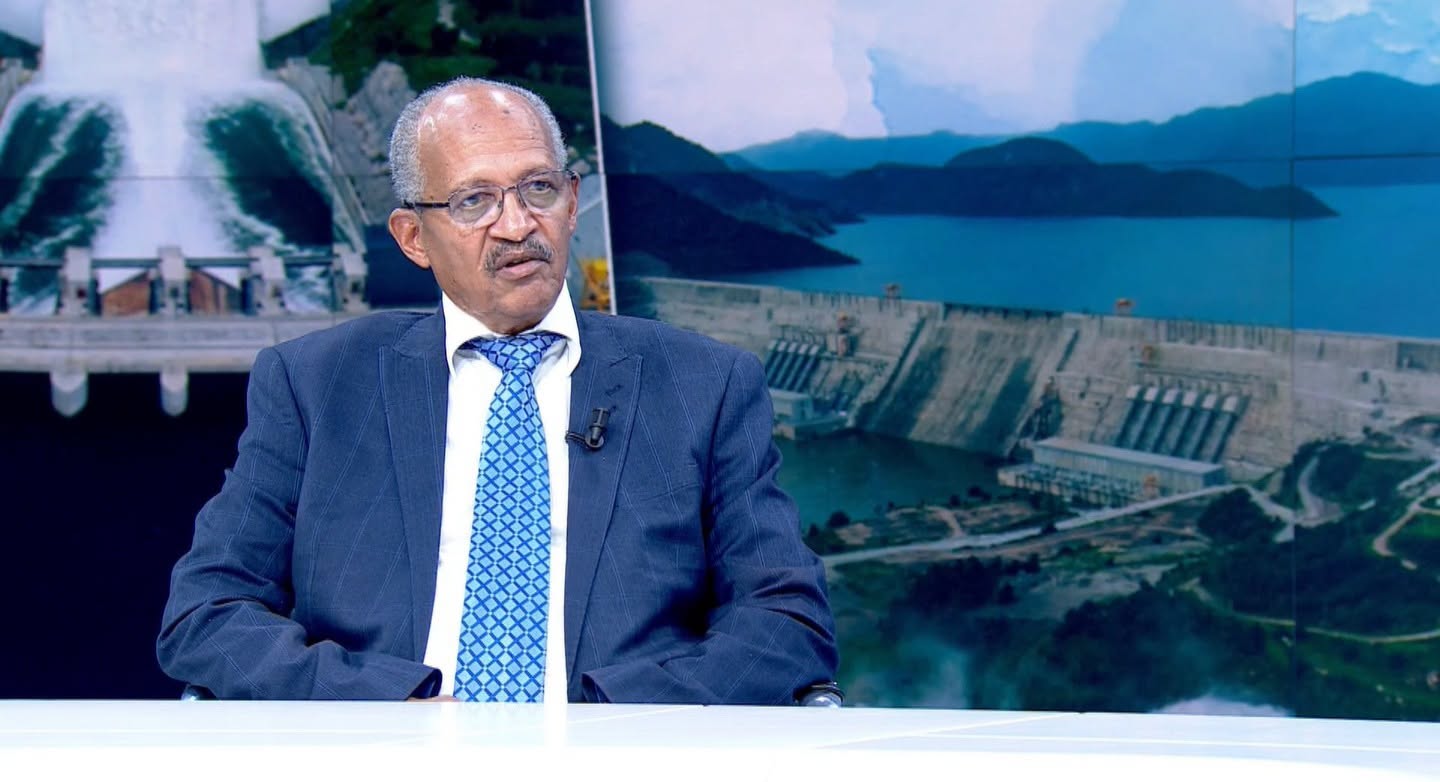
Addis Ababa, August 28, 2026 (FMC) — Egypt’s threats against Ethiopia over the Abay (Nile) cannot dictate Ethiopia’s sovereign development choices, Water Resources researcher Professor Yacob Arsano said, stressing that Cairo has no legitimate basis to demand control over how Ethiopia develops its own water resources.
He stressed that Ethiopia has no allocated share of the Nile waters under the 1959 Nile Waters Agreement, to which Ethiopia was not a party.
 The agreement therefore cannot be invoked to impose restrictions on Ethiopia or transform Egypt’s position into a veto over Ethiopian development.
Ethiopia has an unequivocal right to utilize its water resources for national development while upholding the principles of equitable and reasonable utilization of transboundary waters, Professor Yacob said.
He pointed out that Ethiopia contributes the overwhelming majority of the Nile’s flow while Egypt contributes no water to the river, making Cairo’s attempt to dictate Ethiopia’s development particularly untenable.
Professor Yacob said Egypt has for decades sought to obstruct Ethiopia’s development and prevent it from harnessing its abundant natural resources, including through support for internal groups.
He said Cairo’s longstanding position on the Nile seeks to preserve an exclusive grip over the river by relying on outdated arrangements and narratives that cannot extinguish Ethiopia’s sovereign rights.
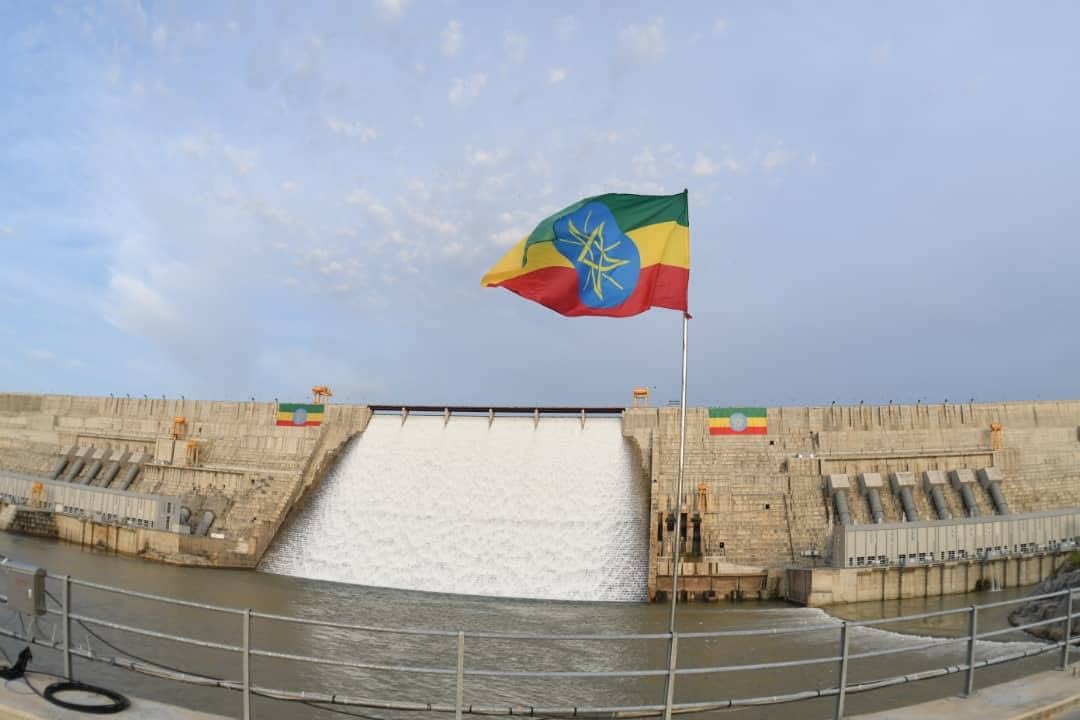
The Grand Ethiopian Renaissance Dam (GERD), he stressed, has already demonstrated Ethiopia’s determination to break through those constraints and harness its natural resources for national development and regional benefit.
Constructed at the foot of the Guba Mountains, the GERD has enabled Ethiopia to generate substantial clean energy while opening the way for wider regional economic gains through electricity exports and interconnected power systems.
Professor Yacob said the regional power integration associated with the GERD directly demonstrates that Ethiopia’s development is not a threat to the region. On the contrary, shared natural resources can power economic integration, expand electricity access and generate benefits across national borders.
He further highlighted the GERD’s benefits to downstream countries, including reducing siltation, mitigating flood and drought risks, and strengthening domestic and cross-border electricity networks.
The researcher said Egyptian political elites remain tied to colonial-era treaties while continuing to advance distorted claims over the GERD and Ethiopia’s use of Nile waters.
He stressed that Ethiopia mobilized its citizens to build the flagship dam in accordance with international legal principles and scientific standards, demonstrating that the country’s approach is grounded in responsible, equitable and reasonable utilization of transboundary water resources.
Professor Yacob also condemned Cairo’s approach to negotiations, saying Egypt continues to disrupt efforts to establish cooperative arrangements that could serve the interests of all Nile Basin countries.
He insisted that Egypt’s opposition cannot halt Ethiopia’s development. Ethiopia must continue responsibly developing its water resources while ensuring that downstream countries experience no significant harm.
He also rejected misinformation surrounding the GERD and the Nile as a zero-sum narrative that portrays Ethiopia’s development as a threat rather than recognizing the enormous regional opportunities created by its hydropower expansion.
Ethiopia’s experience with the GERD and other hydropower projects, he said, has significantly strengthened its technical expertise, practical experience and institutional capacity in water-resource development, as reported by ENA.
Professor Yacob concluded that Ethiopia should press ahead with responsible development projects across the Nile and other river basins in accordance with international principles, using its natural resources to accelerate economic transformation and secure national prosperity.
Ethiopia’s development, he stressed, cannot be placed under Cairo’s approval or halted by Egyptian opposition.