
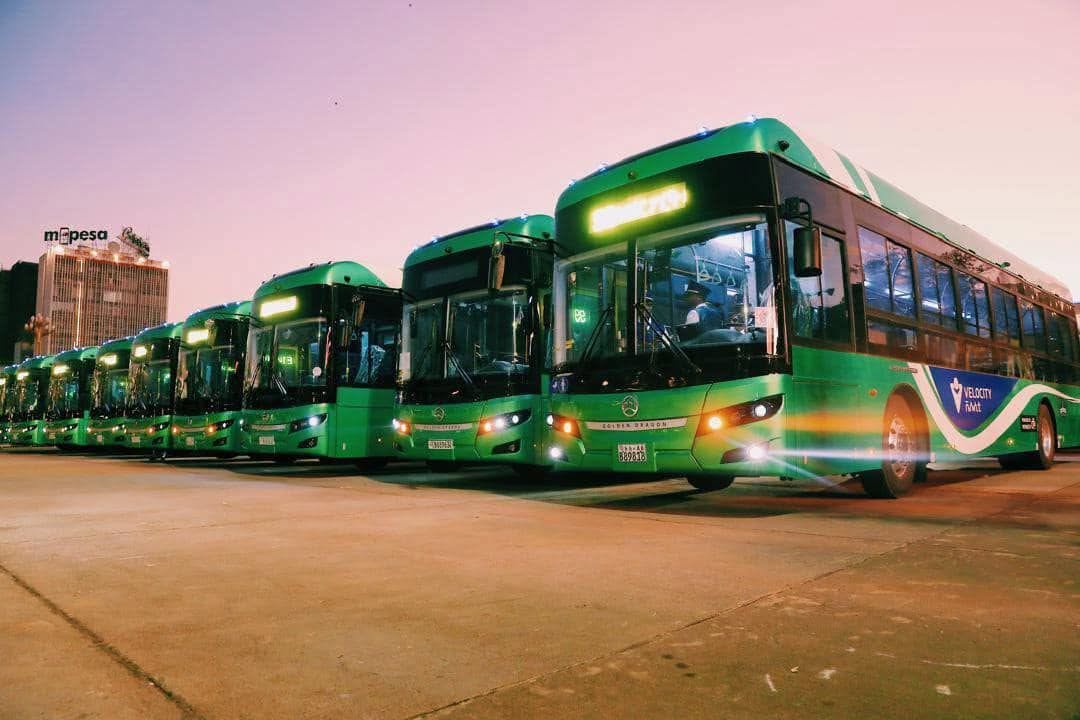
From Policy to the Streets: Ethiopia’s Electric Mobility Journey Offers a New African Model for Green Transport
Addis Ababa, September 24, 2026 (FMC) — Across Africa, the transition to electric mobility is increasingly moving from an idea for the future to a question of policy, investment and practical implementation. In this emerging landscape, Ethiopia’s experience is drawing growing attention as other countries explore how to build their own pathways toward cleaner and more sustainable transportation.
For Ethiopia, the transition is already becoming visible on the streets of Addis Ababa, where electric buses are increasingly part of the city’s public transport landscape. Beyond the vehicles themselves, the country’s experience is beginning to demonstrate how policy direction, private-sector participation and public transportation can come together to give shape to a broader green-mobility ecosystem.
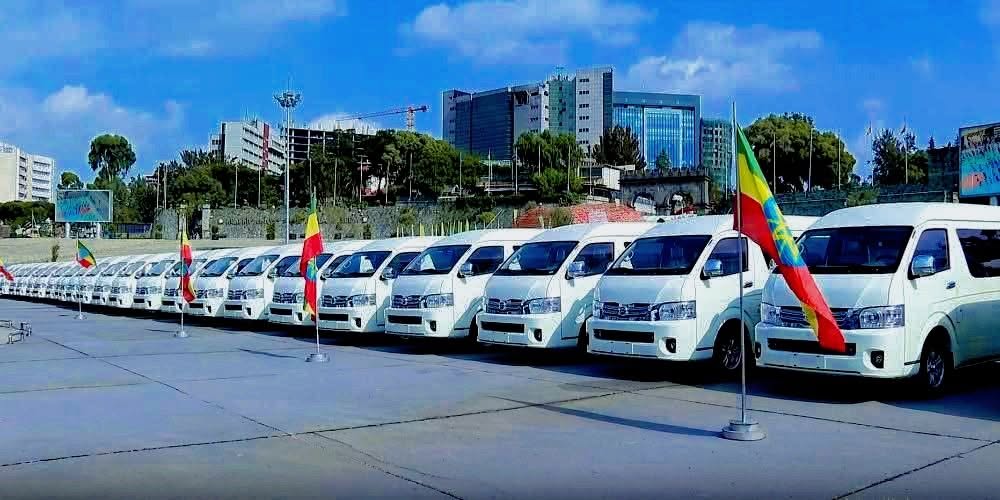
Nigerian mobility entrepreneur Damilola Odunlade-Akeju, founder and CEO of DriveMe Mobility, said Ethiopia’s policy approach is attracting interest from African cities and countries as they consider measures to accelerate the adoption of electric mobility.
Speaking at the Nordic-Africa EV Summit in Ethiopia, Odunlade-Akeju said the country’s experience underscores the importance of government policy in creating an environment in which green transportation can expand with greater confidence and coordination.
“Government policy will drive the adoption and the advancement of e-mobility across Africa,” he said, emphasizing that clear policy direction is essential to building confidence among private-sector actors.
For emerging e-mobility markets, such policy certainty can provide companies with a clearer basis for investment and long-term participation. It can also help bring together the different components of the sector—from vehicles and charging infrastructure to electricity networks and service providers—within a more coherent framework.
Ethiopia’s experience is therefore gaining relevance beyond its own borders, particularly as other African countries seek approaches that can translate ambitious green-transition goals into practical systems.
The growing presence of electric buses in Addis Ababa offers one such practical dimension. Odunlade-Akeju noted the city’s expanding use of electric public transport as an example of how mass transit can help drive wider adoption of electric mobility.
The significance extends beyond replacing conventional vehicles with electric ones. The experience points to the potential of public transportation to make new mobility technologies more visible and accessible while creating a foundation for a wider transition in urban transport.
As countries across Africa confront the need for cleaner transportation, stronger awareness of green mobility, supportive policies and effective mass-transit solutions are becoming increasingly important. Ethiopia’s experience provides a developing example of how these elements can begin to converge.
Norwegian founder and e-mobility adviser Jan Tore Gjøby likewise highlighted Ethiopia’s emerging role, noting that the country should develop solutions suited to its own circumstances while also considering their potential relevance to the wider African market.
Gjøby stressed the importance of clear roadmaps, technical requirements and common standards as Ethiopia continues to expand electric mobility. Such coordination, he said, is necessary to ensure that electric vehicles, charging infrastructure and electricity networks function effectively as interconnected parts of an emerging system.
The perspectives from both African and Nordic participants at the summit point to a broader significance in Ethiopia’s electric-mobility journey: the country is not simply adopting a global transportation trend, but increasingly becoming part of the conversation on how Africa can shape its own green mobility future.
From policy frameworks to electric buses on the streets of Addis Ababa, Ethiopia’s experience is offering an increasingly visible demonstration of how ambition can begin to translate into everyday mobility—and how an African country’s homegrown experience can carry lessons and possibilities well beyond its own borders.