
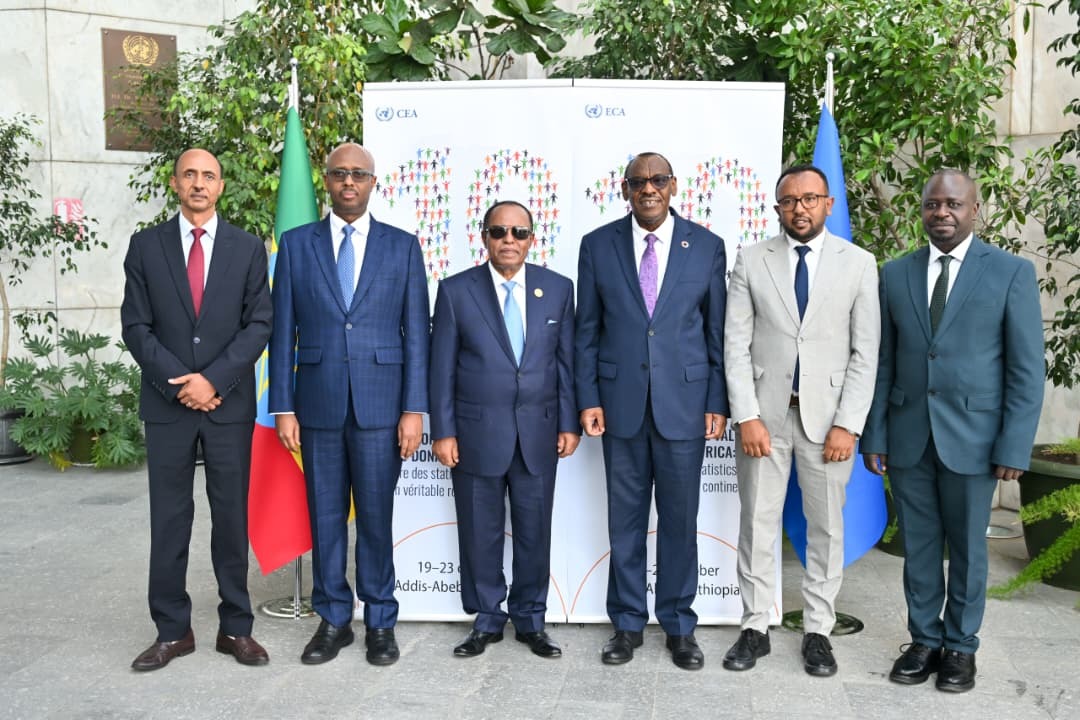
Africa Must Protect Statistical Independence and Ensure Data Reflects Every Community in Development – President Taye
Addis Ababa, October 21, 2026 (FMC) — Ethiopian President Taye Atske-Selassie has underscored the need for African governments to protect the professional independence of official statistics and ensure that the data guiding development reflects the realities of every community across the continent.
Addressing the opening of the 10th Session of the Statistical Commission for Africa (StatCom-Africa) in Addis Ababa on Wednesday, the President emphasized that reliable, independent statistics are essential to evidence-based policymaking, public accountability and development that responds to the realities of the people it is intended to serve.
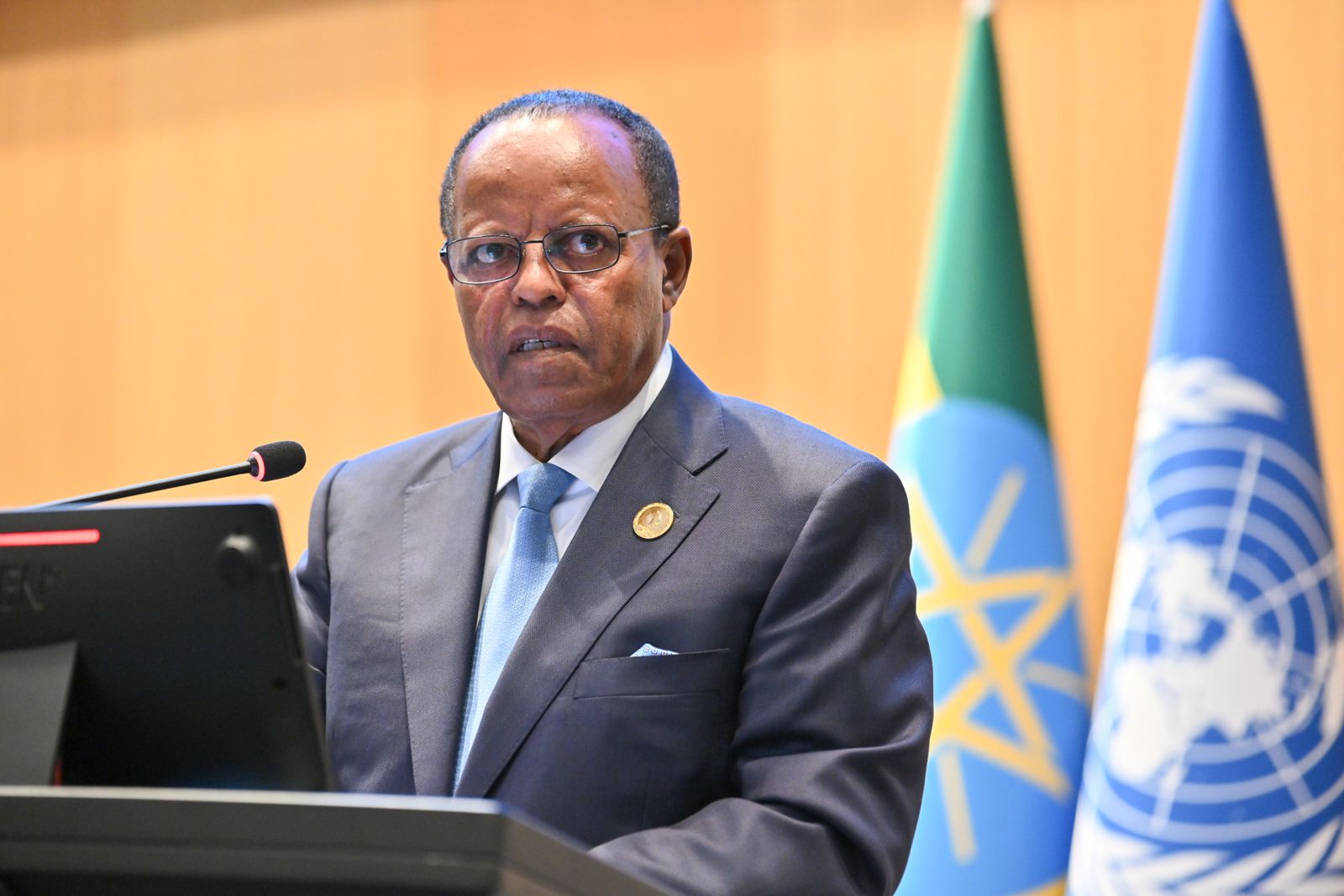 He stressed that governments across Africa must uphold the professional independence of official statistics, strengthen legal and institutional frameworks, invest in national statistical systems and ensure that policy decisions are informed by scientific evidence.
The President warned that poor-quality data can hinder evidence-based decisions, impede development and weaken accountability, underscoring the consequences when the information used to guide public policy fails to provide a reliable picture of actual conditions.
He also emphasized that statistical systems must do more than collect figures. Institutions need to develop a deeper understanding of the data they produce and communicate its value to policymakers and citizens, enabling statistical information to contribute meaningfully to development decisions.
 President Taye highlighted the responsibility of statistical institutions to oversee a broader data ecosystem, integrating and safeguarding diverse sources of information without compromising integrity. He said innovation must enhance statistical quality and independence while strengthening public trust.
He further stressed the need for national statistics offices to produce timely and detailed information, adopt new technologies and integrate emerging data sources, even as they contend with limited resources.
The President placed particular emphasis on ensuring that statistical evidence reflects every community, so that the information informing development decisions does not overlook the people and realities those decisions are intended to address.
He also highlighted the role of the United Nations Economic Commission for Africa (UNECA) in supporting the production of high-quality data as a reliable public good for the continent.
Recalling the African Charter on Statistics, adopted by African heads of state and government in Addis Ababa in 2009, President Taye underscored the importance of strengthening the foundations of official statistics across Africa.
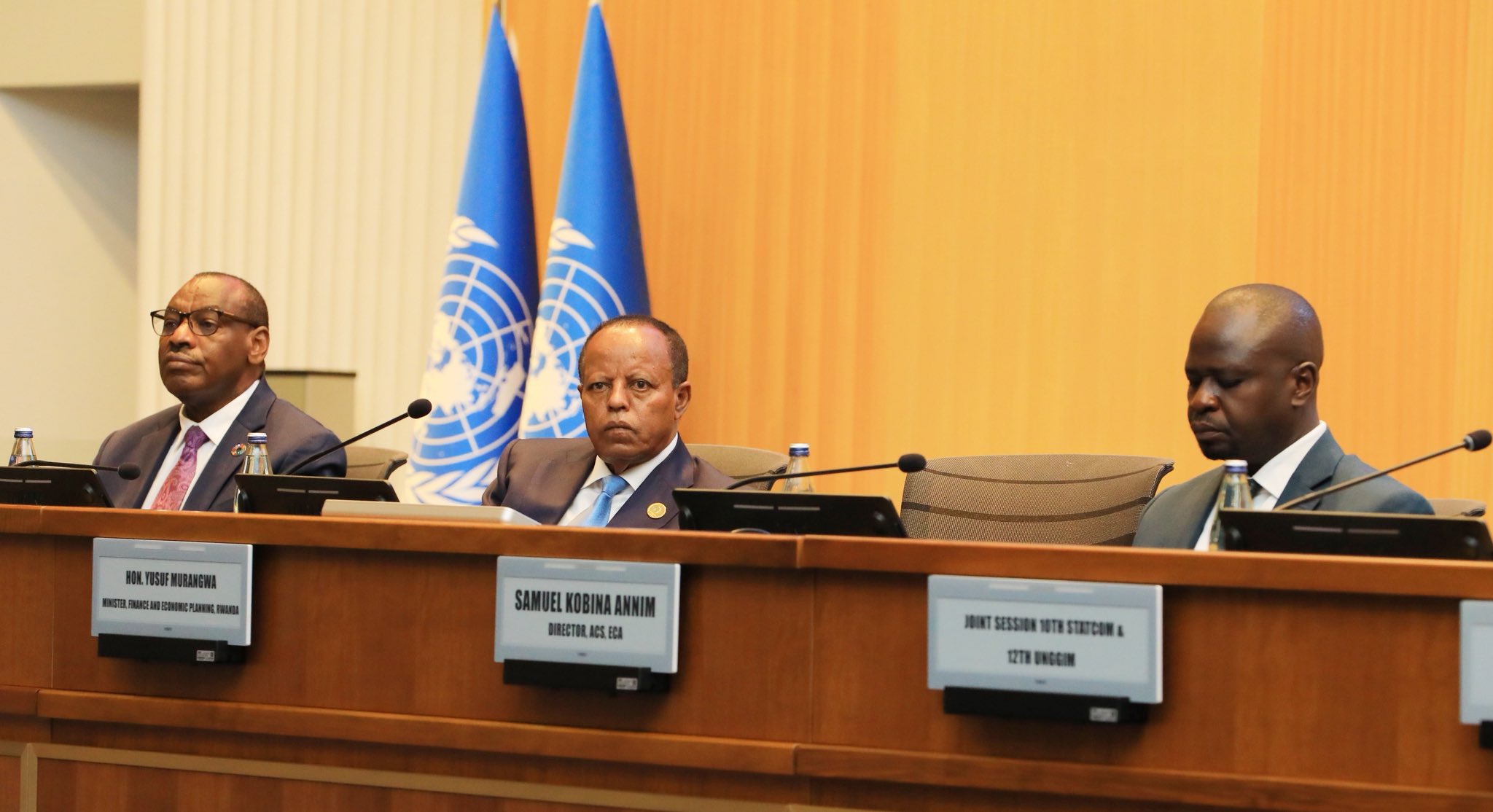 He reaffirmed Ethiopia’s readiness to share its experience with other African countries and learn from them, emphasizing the importance of cooperation in strengthening national statistical capacity across the continent.
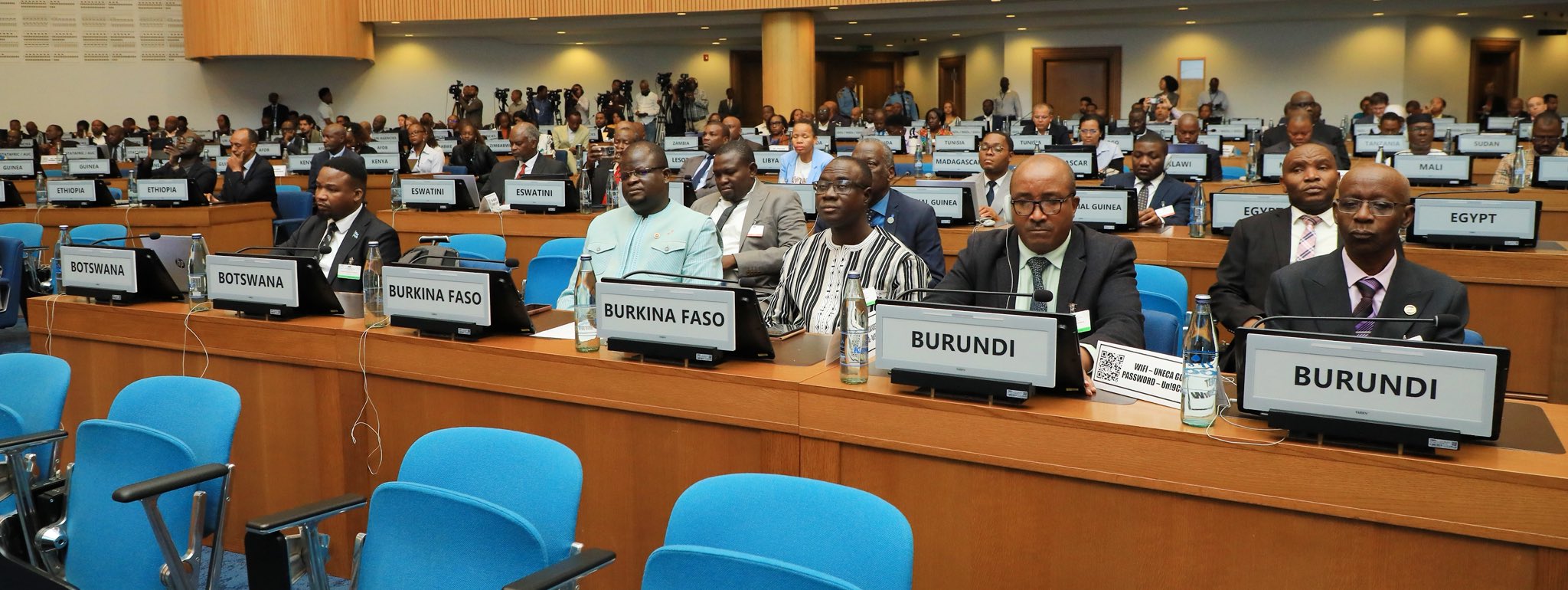
The President’s remarks came as African statistical institutions gathered to discuss how to unlock the value of data and ensure that official statistics more accurately reflect the continent and support its development priorities.
The 10th Session of StatCom-Africa is being held alongside the 12th meeting of the Regional Committee of United Nations Global Geospatial Information Management for Africa (UN-GGIM: Africa) under the theme, “Unleashing the value of data in Africa: making official statistics a true mirror of the continent.”