
Egypt Must Relinquish Exclusive Claims as Ethiopia Asserts Its Rights as the Nile’s Primary Source, Expert Says
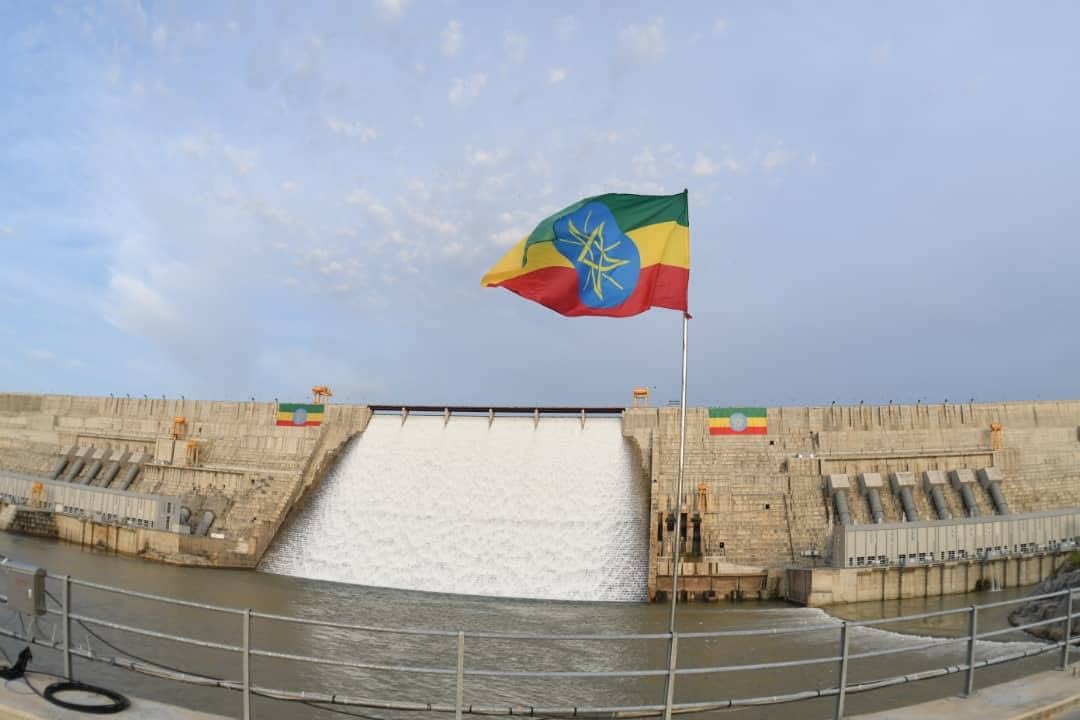
Addis Ababa, August 19, 2026 (FMC) — Egypt must relinquish its long-standing exclusive claims over the Abay (Blue Nile) as Ethiopia asserts its rights to harness the waters of the river it primarily supplies for national development, geopolitics expert and writer Elias Abiy said.
Elias said Ethiopia contributes 86 percent of the Nile’s total volume through the Abay, Baro-Akobo and Tekeze basins, while some 135 million Ethiopians depend on these resources for their livelihoods and national development.
He said Cairo’s persistent efforts to restrict Ethiopia’s utilization of its water resources disregard both geographic realities and the principle of equitable sharing of transboundary waters.
Elias said Egypt’s resistance to Ethiopian water development reflects an outdated approach that treats the Nile through a framework of exclusive entitlement rather than equitable utilization and cooperation among basin countries.
Despite Ethiopia’s overwhelming contribution to the river’s flow, he said, Egypt has historically sought to constrain Ethiopian hydro-development initiatives by leveraging regional geopolitical tensions and international pressure.
The expert also drew attention to the environmental and technical advantages of storing water in Ethiopia’s highlands, where cooler temperatures and deep valleys can significantly reduce evaporation losses compared with reservoirs in hot desert environments.
He cited Lake Nasser behind Egypt’s Aswan Dam, which covers nearly 6,000 square kilometers in the Sahara Desert, as an example of substantial water losses through evaporation.
“Look at Lake Nasser behind the Aswan Dam. It covers nearly 6,000 km² in the Sahara Desert, one of the hottest regions in the world. It loses between 10 and 15 billion cubic metres of water a year through evaporation. That’s the equivalent of the entire flow of the Baro-Akobo into the White Nile. And with global warming, this evaporation is increasing even further,” he told local news agency ENA.
Turning to Ethiopia’s broader strategic trajectory, Elias said the country’s strongest response to external resistance lies in strengthening its internal capacity through rapid economic progress, national cohesion and sustained dialogue.
He said accelerating comprehensive development and fostering open national dialogue would reinforce Ethiopia’s stability and position the country as a dependable anchor for broader economic integration and peace across the Horn of Africa.