
Ethiopia’s Air Force Builds New Technological Muscle Through Homegrown Manufacturing and African Partnerships
Addis Ababa, August 11, 2026 (FMC) — The Ethiopian Air Force (EAF) has undergone a major technology-driven transformation over the past six to seven years, expanding its capabilities in aircraft maintenance, upgrading, spare-parts manufacturing and unmanned aircraft production as it works to build a more self-reliant force, Deputy Commander Brigadier General Meseret Getachew said.
Speaking in an interview, Brigadier General Meseret said the transformation has focused on advancing technology, strengthening self-reliance, transforming human resources and building an Air Force capable of serving Ethiopia’s strategic interests.
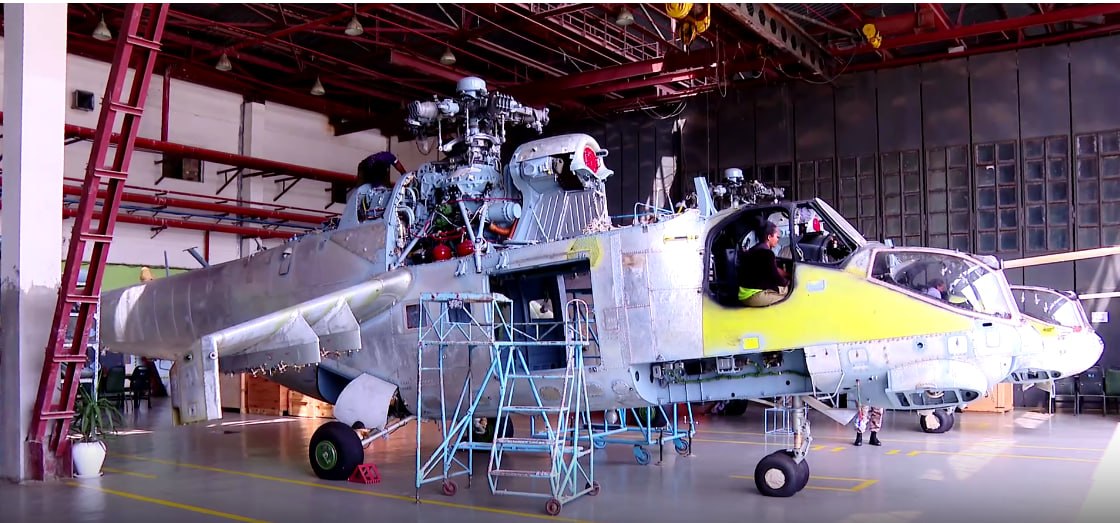
The reform has taken the EAF from an analog system into the digital era while building practical capabilities in aircraft maintenance, upgrading, spare-parts manufacturing and unmanned aircraft production.
Aircraft and unmanned systems are now being manufactured, maintained and upgraded locally, while technological capabilities continue to be developed and applied across different areas.
According to the deputy commander, these capabilities have moved beyond research and theory into practical manufacturing and operational activities.
The Air Force has also worked to maximize existing resources by repairing and upgrading systems and developing technological capabilities that were previously unavailable.
This transformation has been accompanied by a significant expansion in production capacity. Items that were once manufactured only in small quantities can now be produced on a much larger scale, with hundreds of components manufactured daily and thousands of certain spare parts produced over time.
The growing capabilities have also enabled the Ethiopian Air Force to broaden cooperation with other African countries. Over the past several months, the EAF has signed agreements with several African countries covering professional training, aircraft and helicopter repair, and other areas of technical cooperation, Brigadier General Meseret said.
The growing interest has followed visits by African delegations to Ethiopian Air Force facilities, where they observed firsthand its maintenance, overhaul, upgrading, manufacturing and training capabilities.
According to the deputy commander, visiting countries have increasingly expressed interest in cooperation after witnessing the work of Ethiopian engineers, technicians and pilots and seeing technologies manufactured and operated locally.
The Air Force is also providing training to professionals from other African countries, with the cooperation extending beyond technical instruction to include technology and knowledge transfer.
Brigadier General Meseret said the objective is to ensure that trainees acquire not only scientific and technological qualifications but also the professional capacity to apply the knowledge and skills gained when they return to their countries.
The expanding cooperation is also generating commercial benefits by bringing in foreign currency that can support research and development, expand manufacturing capacity and facilitate the procurement of raw materials, he added.
The EAF is continuing its research and development activities rather than becoming satisfied with the capabilities it has already achieved.
“We are not satisfied yet,” Brigadier General Meseret said, emphasizing the Air Force’s continued commitment to advancing its technological and operational capabilities.
He said the progress achieved over the past several years represents a fundamental transformation of the EAF’s capabilities rather than an incremental improvement from one level to another, as reported by local newswire service ENA.