
Ethiopia’s COP31 Engagements Connect Global Climate Diplomacy, National Achievements and a Shared COP32 Responsibility: PM Office Press Secretary
Antalya, November 13, 2026 (FMC) – Ethiopia is using the 31st UN Climate Change Conference (COP31) in Antalya to strengthen international partnerships, present its climate action achievements and build on preparations to host COP32 in Addis Ababa next year, Office of the Prime Minister Press Secretary Billene Seyoum has stated.
In an interview in Antalya, Billene reflected on Prime Minister Abiy Ahmed’s diplomatic engagements, his address to the COP31 Leaders’ Summit and the broader participation of Ethiopia’s high-level delegation, describing the conference as an important opportunity to advance the country’s climate priorities while gaining experience ahead of its COP32 presidency.
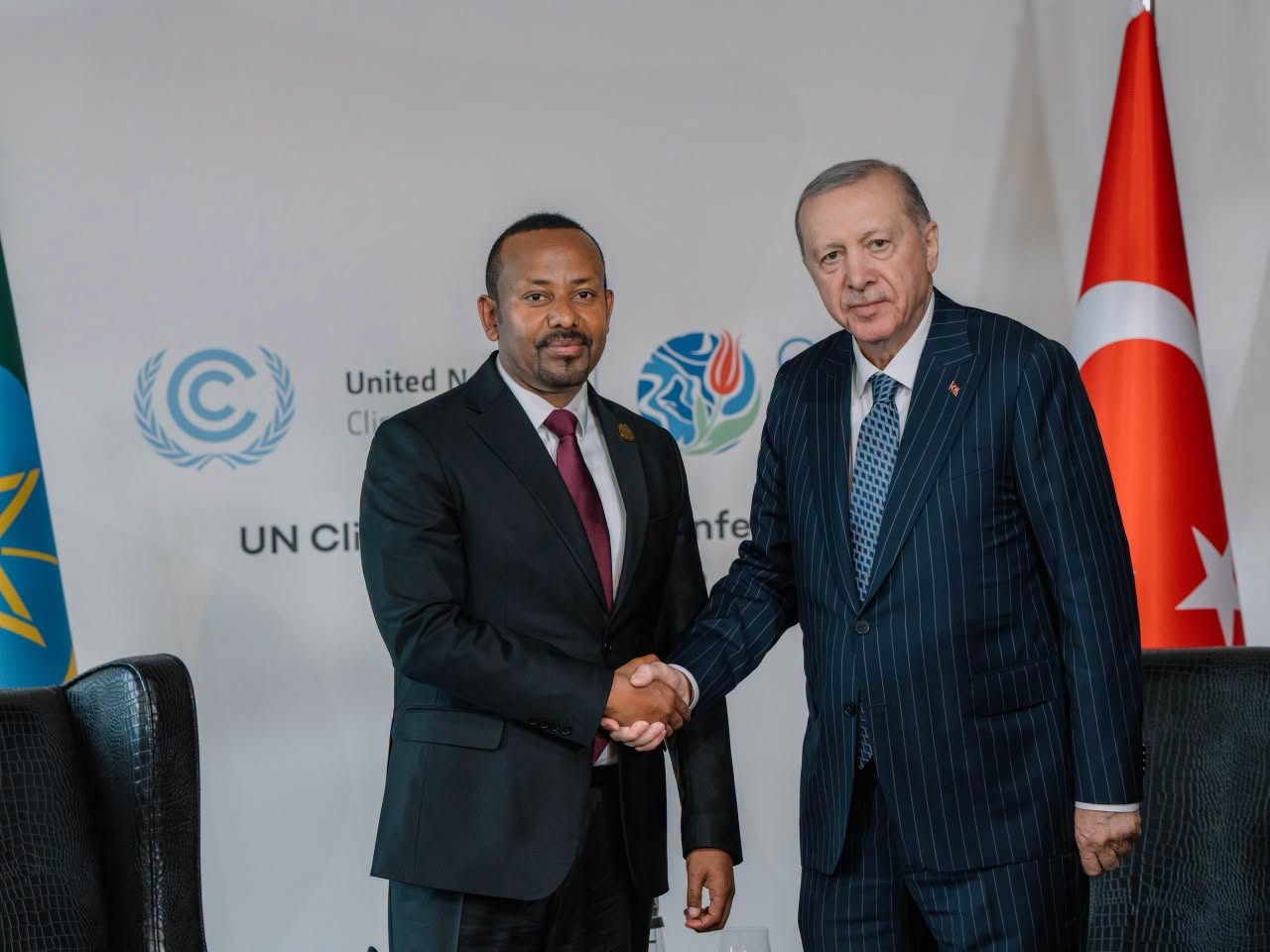
Prime Minister Abiy Ahmed began his engagements in Antalya with a bilateral meeting with Turkish President Recep Tayyip Erdoğan.
According to Billene, the discussions provided an opportunity to review the longstanding relations between Ethiopia and Türkiye, assess progress on issues previously discussed by the two leaders and explore further cooperation.
She recalled President Erdoğan’s visit to Ethiopia the previous year, accompanied by a high-level delegation, and said the two countries had since continued efforts to deepen their cooperation across different areas.
Their Antalya meeting also addressed how Ethiopia could benefit from Türkiye’s experience and support as it prepares to host the next global climate conference.
Billene noted that Türkiye, as the current host, has been giving Ethiopia considerable attention, sharing relevant experience and expressing its commitment to supporting the country throughout the preparations for COP32.
Beyond the engagement with the Turkish president, Prime Minister Abiy held bilateral discussions with the leaders of Barbados, Norway, Finland, Djibouti and Somalia on the sidelines of the conference. Billene described such meetings as opportunities to review existing agendas, follow up on previous understandings and advance bilateral relations.
The Prime Minister also addressed the COP31 Leaders’ Summit, drawing attention to the disproportionate effects of climate change on vulnerable countries such as Ethiopia and the need for stronger preparedness and preventive measures.
Billene explained that his address emphasized the country’s exposure to droughts and floods and the resulting impact on communities.
She particularly pointed to the importance of early warning systems, improved forecasting and measures that enable communities to prepare for climate-related risks before disasters occur.
Ms. Billene also underscored the Green Legacy Initiative as a major component of Ethiopia’s response to climate change. Over the past eight years, the country has planted more than 56 billion seedlings through the initiative, which the Prime Minister has promoted as a collective national effort and a culture that should involve all generations.
According to the Press Secretary, the initiative goes beyond tree planting, forming part of Ethiopia’s wider efforts to protect the environment, conserve water and soil, strengthen resilience and contribute to addressing a global challenge.
The Prime Minister also drew attention to the vulnerability of Ethiopian coffee to climate change. As the birthplace of coffee and a major source of a product consumed around the world, Ethiopia has a particular interest in protecting coffee production from climate-related threats. Billene said environmental conservation, watershed protection and climate adaptation efforts are therefore closely connected to safeguarding the country’s coffee sector.
At the Ethiopian pavilion, the delegation is presenting the country’s climate initiatives alongside its cultural identity and preparations for COP32.
Billene explained that the pavilion serves as a platform for countries and institutions to learn about Ethiopia’s achievements, exchange views and hold discussions on climate-related issues.
She outlined several of the national identity and branding priorities being promoted as part of the country’s COP32 preparations.
These include Ethiopia’s identity as the birthplace of coffee, its reputation as the “Land of Champions,” its heritage as the origin of humankind, and its ongoing efforts to develop greener and more climate-resilient cities. The pavilion also showcases the country’s renewable energy potential and the Grand Ethiopian Renaissance Dam (GERD).
On clean energy, Billene highlighted Ethiopia’s considerable potential in solar, wind and hydropower. She pointed to efforts to expand solar energy development, including facilities established through industrial parks, as well as wind power projects in different parts of the country.
The GERD, she added, represents a major achievement in the country’s development of renewable energy and is being presented at the pavilion as both a source of clean power and the outcome of a collective national effort.
Ethiopia’s participation extends beyond the pavilion and high-level diplomatic engagements to the technical negotiations taking place throughout the conference. Billene highlighted the growing capacity of young Ethiopian climate negotiators, who are taking part in different forums and presenting both national and African perspectives.
She noted that Ethiopia’s selection to host COP32 was supported by the African continent, giving the country a responsibility to bring not only its own priorities but also Africa’s climate concerns to the international platform.
Ethiopian negotiators are therefore participating in the COP31 process with a view to contributing to discussions and strengthening their technical and negotiating experience.
Billene further described COP31 as an important learning opportunity for Ethiopia’s preparations, allowing officials to assess areas of strength and identify gaps that require attention before the country hosts the conference.
She said a national committee led by Prime Minister Abiy has been coordinating preparations, bringing together different institutions to review their responsibilities and determine the capacities required to organize COP32.
The ongoing engagement in Antalya provides an additional opportunity to examine practical requirements, including conference organization, accommodation, transport and service delivery.
Emphasizing that preparations should not be left to the government alone, Billene called attention to the role of the Ethiopian public, particularly residents of Addis Ababa, the private sector, tourism operators and service providers.
She described hosting COP32 as a national responsibility and an opportunity to strengthen institutions, develop service capacity and prepare the country to welcome international participants.
She stressed that Ethiopia’s hospitality should be reflected in the way visitors are received and served, adding that the country’s preparations must extend beyond the conference venue to the wider services and facilities that international guests will use.
With COP31 providing a platform for diplomatic engagement, climate negotiations and the exchange of practical experience, Ethiopia is seeking to turn its participation into concrete lessons and partnerships as it prepares to host COP32 in Addis Ababa in 2027.